Office Building Pest Control Toronto
Discretion, professionalism, and zero disruption to your tenants. Bugsway's corporate pest management program is built for Toronto's office towers, commercial properties, and multi-tenant buildings.
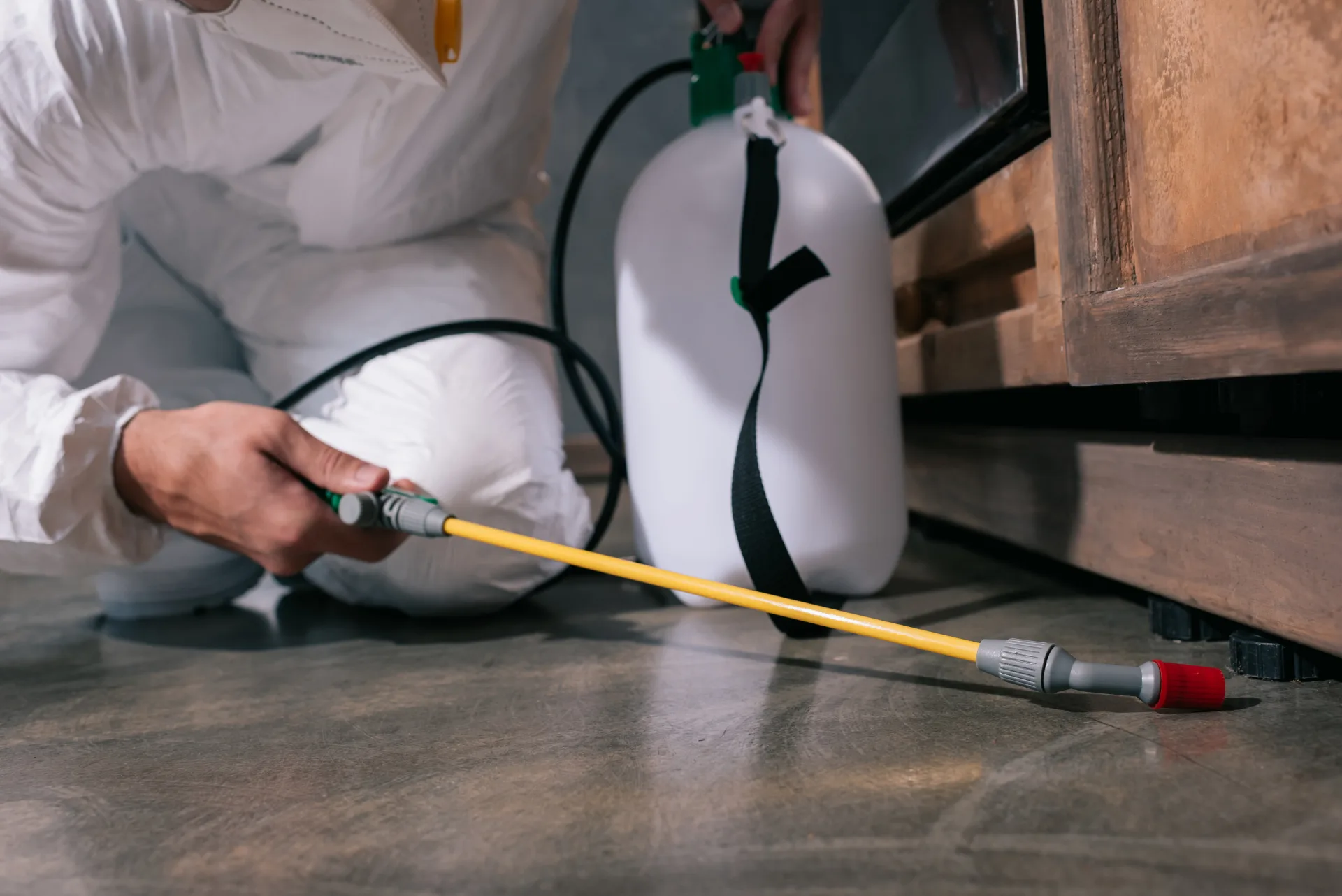
Office Buildings Have Unique Pest Control Challenges
Office buildings present distinct pest management challenges that require a different approach from residential treatment. Multiple tenants, shared spaces, complex building infrastructure, and the need for complete discretion all demand a more sophisticated pest management strategy.
Toronto's downtown office towers and mid-rise commercial buildings are particularly susceptible to ant and cockroach problems that spread horizontally through shared plumbing and electrical chases. A single ground-floor restaurant or café tenant can be the entry point for cockroaches that spread to every floor of the building through the gaps around plumbing risers.
Rodents typically enter office buildings at grade level — through loading dock areas, garbage rooms, utility penetrations, and perimeter gaps — and then travel vertically and horizontally through the building's infrastructure. Multi-floor rodent programs require coordinated activity across the building, not just treatment on the affected floor.
Common Office Building Pests in Toronto
Ants
Medium RiskPavement and carpenter ants are the most common complaint in Toronto office buildings. Entry from exterior landscaping or adjacent green spaces is typical, with workers trailing to break rooms and kitchen areas. Carpenter ants indicate structural moisture — a finding that should be reported to building maintenance.
Cockroaches
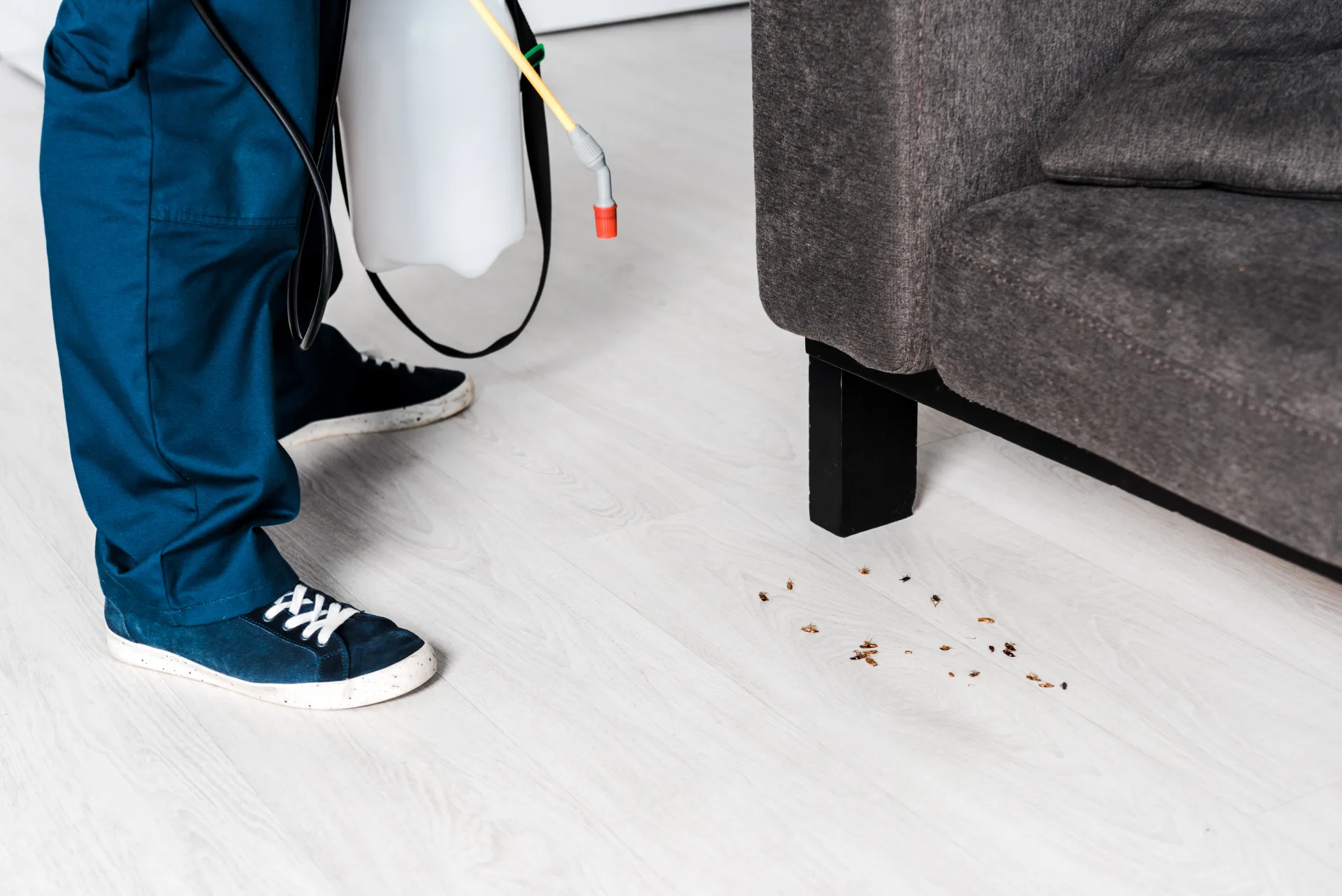
High RiskGerman cockroaches are endemic in buildings with food service tenants. They spread vertically through plumbing chases and can establish populations on floors well above where the source infestation is located. Building-wide treatment with gel bait programs is the only effective approach.
House Mice
High RiskOffice buildings near Toronto's ravine system, parks, or construction zones experience significant rodent pressure in fall and winter. Rodents typically enter at loading dock level and colonize areas with food waste — kitchen areas, garbage rooms, and storage spaces.
Flies & Drain Flies
Low-Medium RiskDrain flies breed in the organic material accumulating in floor drains, particularly in kitchen areas, washrooms, and basement drains. Fruit flies can become problematic near break rooms with fruit waste. Both are indicators of sanitation or drainage maintenance issues.
Off-Hours Scheduling — Invisible to Your Tenants
Discretion is non-negotiable in office pest management. A technician treating in an occupied workspace during business hours sends the wrong message to employees, visiting clients, and building management. Bugsway's office building programs are designed around your building's occupancy schedule.
The majority of our office treatments are performed during evening, overnight, or early morning hours — when the building is unoccupied. For buildings with 24-hour security and access requirements, we work with building management to establish access protocols that minimize disruption while ensuring thorough treatment access to all affected areas.
All Bugsway commercial technicians carry identification and can provide documentation for building security logs on request.

Our Multi-Floor Office Building Treatment Protocol
Building Assessment
Full building survey including all mechanical rooms, garbage areas, loading docks, and any food service spaces. We document all active pest evidence and entry points before treatment.
Treatment Plan
A floor-by-floor treatment plan is developed, accounting for the building's occupancy schedule, access requirements, sensitive areas, and the specific pest species present.
Coordinated Treatment
Treatment across all affected floors and building infrastructure simultaneously — preventing pests from simply moving to an untreated floor during treatment.
Monitoring & Documentation
Post-treatment monitoring with written reports after every visit. Building managers receive documentation package for insurance, property management, and regulatory requirements.
Pest Management for Toronto Property Managers
Property managers overseeing multi-tenant Toronto commercial buildings face a particular challenge: you are responsible for pest management across the entire building, but individual tenants may be introducing pests through their own food handling practices, deliveries, or building access points you cannot directly control.
Bugsway works with property managers to establish building-wide pest management programs that address both the building infrastructure and the individual tenant spaces. Our property management accounts receive consolidated billing, building-wide service reports, and a dedicated account manager.
We also provide tenant-facing documentation — a letter confirming the building has an active licensed pest management program — which is frequently required by new commercial tenants as part of lease negotiations.
What Property Managers Receive
- Consolidated monthly or quarterly billing
- Building-wide service summary reports
- Floor-by-floor treatment documentation
- Dedicated account manager contact
- Tenant communication templates
- Emergency priority response line
- Annual IPM program review and reporting
- Certificate of active pest management program
Professional Office Pest Control — Zero Disruption Guaranteed
Bugsway keeps Toronto offices pest-free without impacting your tenants or your building's professional image. Get a tailored proposal today.
Why Office Buildings Are Vulnerable to Pest Infestations
Toronto's office buildings share infrastructure that pest species exploit with remarkable efficiency. Plumbing risers, HVAC ductwork, electrical conduits, and shared wall cavities create interconnected pathways that allow cockroaches, mice, and ants to travel freely between suites, floors, and even buildings in attached commercial complexes. A ground-floor restaurant or food court tenant can be the origin point for a cockroach population that establishes itself on the fourth or fifth floor through gaps around plumbing penetrations — leaving the affected tenant bewildered as to how a pest problem started in their suite.
Break rooms, lunch rooms, and coffee stations are the most common pest harborage points in office environments. Food residue left on counters, improperly stored snacks, and organic matter accumulating behind appliances provide the food sources that sustain ant and cockroach populations. Garbage chutes and compactor rooms in larger buildings are particularly problematic — a poorly maintained compactor room can support a rodent population that spreads throughout the building via service corridors and utility shafts.
Pest control in Toronto office buildings is increasingly a legal necessity rather than an optional maintenance service. Under Ontario's Occupational Health and Safety Act, employers have a duty to maintain workplaces free from health hazards — a category that includes pest infestations. WSIB claims related to pest-caused illness or injury create significant liability exposure. Lease agreements for commercial properties frequently include pest management obligations, and failure to maintain these standards can constitute a breach of commercial tenancy terms. A documented pest management program is evidence of due diligence that protects building owners and tenants alike.
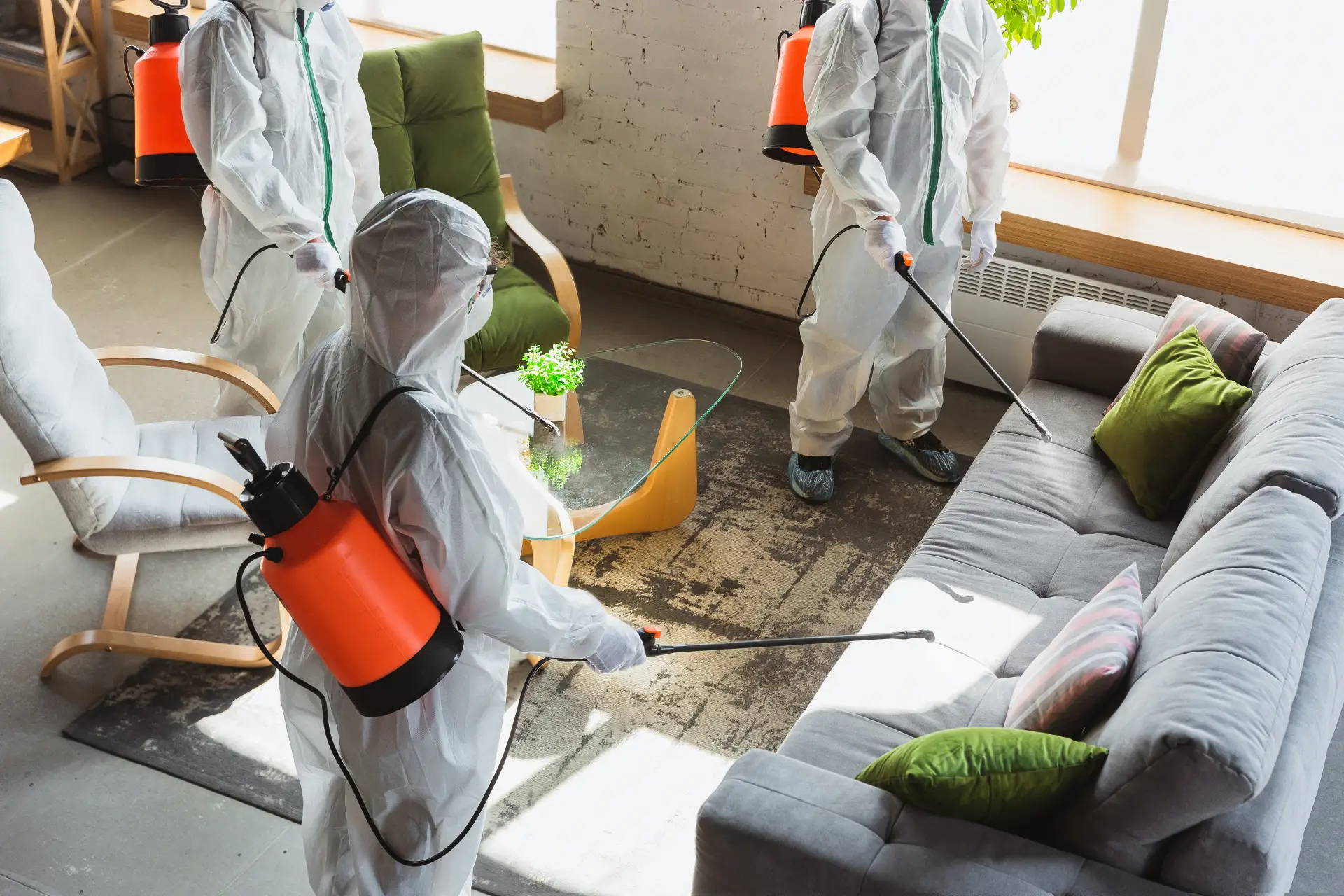
Common Pests in Toronto Office Buildings
German cockroaches in Toronto office buildings almost always trace back to an adjacent food service tenant or a food truck parked at the building's loading area. These insects are transported into buildings in cardboard boxes, food delivery packaging, and catering equipment — and once established in a building's kitchen or break room infrastructure, they spread rapidly through plumbing and conduit pathways. A single infested suite can seed populations across an entire floor within weeks if not treated comprehensively at the building level rather than just the individual unit.
Pavement ants are the most common ant complaint in older Toronto office buildings. These small dark ants enter through foundation cracks and gaps in the building envelope — vulnerabilities that are especially prevalent in Toronto's aging commercial building stock. Once inside, foraging workers trail to break rooms, food storage areas, and any surface where food residue is present. Silverfish are frequently discovered in paper storage rooms, file archives, and server rooms where humidity levels are higher than in the general office environment. Fruit flies originate in kitchen waste bins, improperly cleaned drains, and overripe fruit left in common areas.
Fall rodent pressure — typically September through November as temperatures drop — represents the most significant pest event in the Toronto office building calendar. Mice seek warmth by exploiting every gap in the building perimeter at grade level. Once inside, they colonize storage rooms, ceiling voids above ground floor spaces, and any area near food sources. Multi-tenant buildings face a unique compounding challenge: one contaminated unit introduces pests that can spread to adjacent suites through shared wall infrastructure, meaning that building-wide treatment is always more effective than addressing individual tenant complaints in isolation.
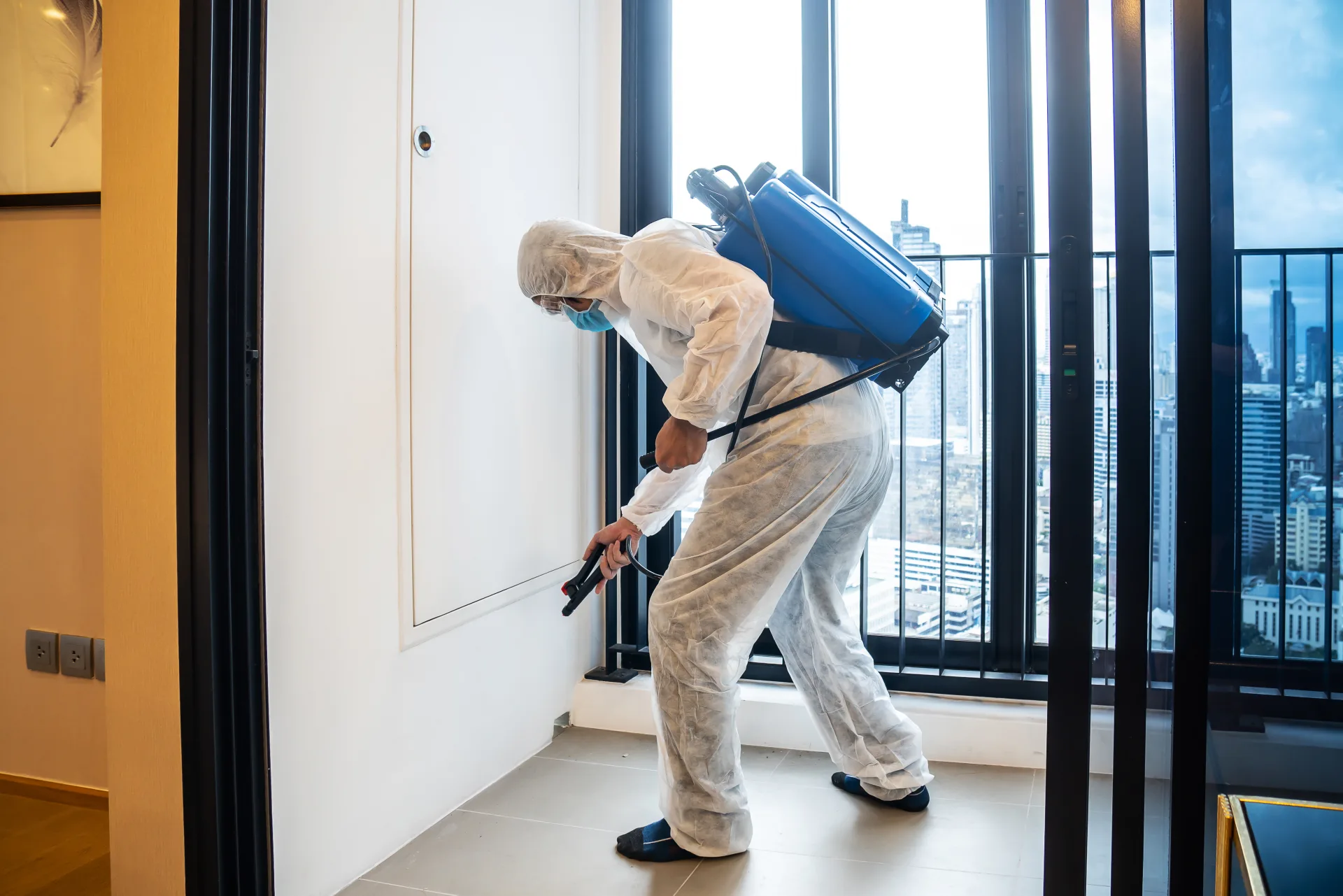
Our Office Building Pest Control Process
Step one is an after-hours inspection of the full building — not just the reported problem area. Our technician walks every floor, mechanical room, garbage room, loading dock, and kitchen space, mapping all active pest evidence, entry points, and harborage zones onto a building floor plan. This inspection report becomes your baseline document and guides every subsequent treatment visit. Landlords and property managers receive a copy of this report, which can be used to communicate findings to tenants and support maintenance work orders for exclusion repairs.
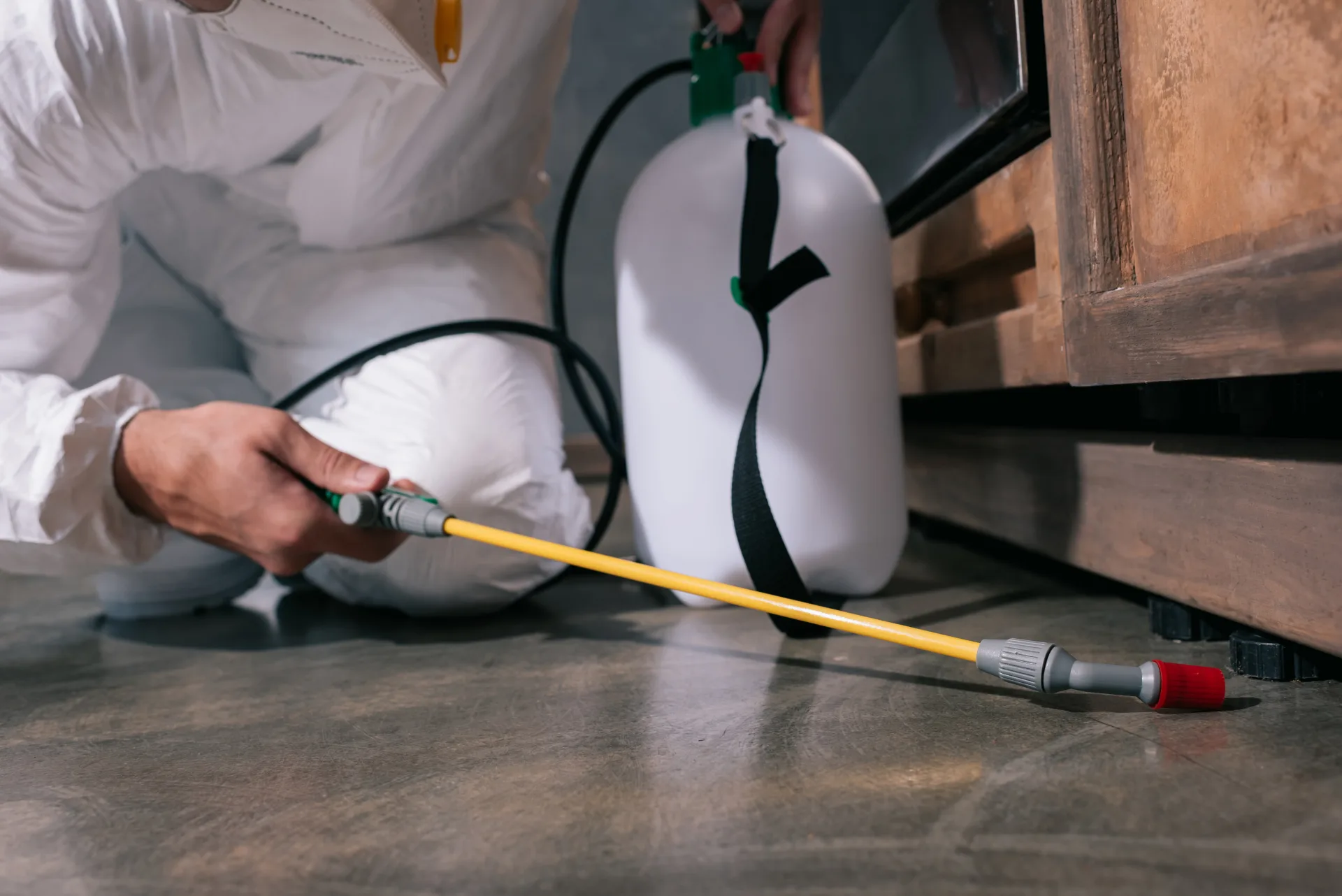
Treatment uses targeted, low-disruption methods appropriate for occupied commercial buildings: gel baits applied inside cabinet voids, appliance gaps, and electrical outlet backs where cockroaches harbour; crack and crevice applications in wall penetrations and expansion joints; tamper-resistant rodent monitoring stations positioned along walls in service corridors, garbage rooms, and loading areas. All products used are Health Canada-registered, applied at label rates, and selected for their minimal residual odour and rapid dry times — allowing employees to return to treated spaces within one to two hours.
After every service visit, a digital report with photographs is sent directly to the property manager, documenting all areas inspected, pest activity observed (with trend comparison to previous visits), products applied (including registration numbers), and recommended corrective actions. Tenant communication templates are provided so property managers can inform tenants about the building's active pest management program without disclosing sensitive details. Staff education materials — a one-page pest prevention guide — are available for distribution to all building occupants.
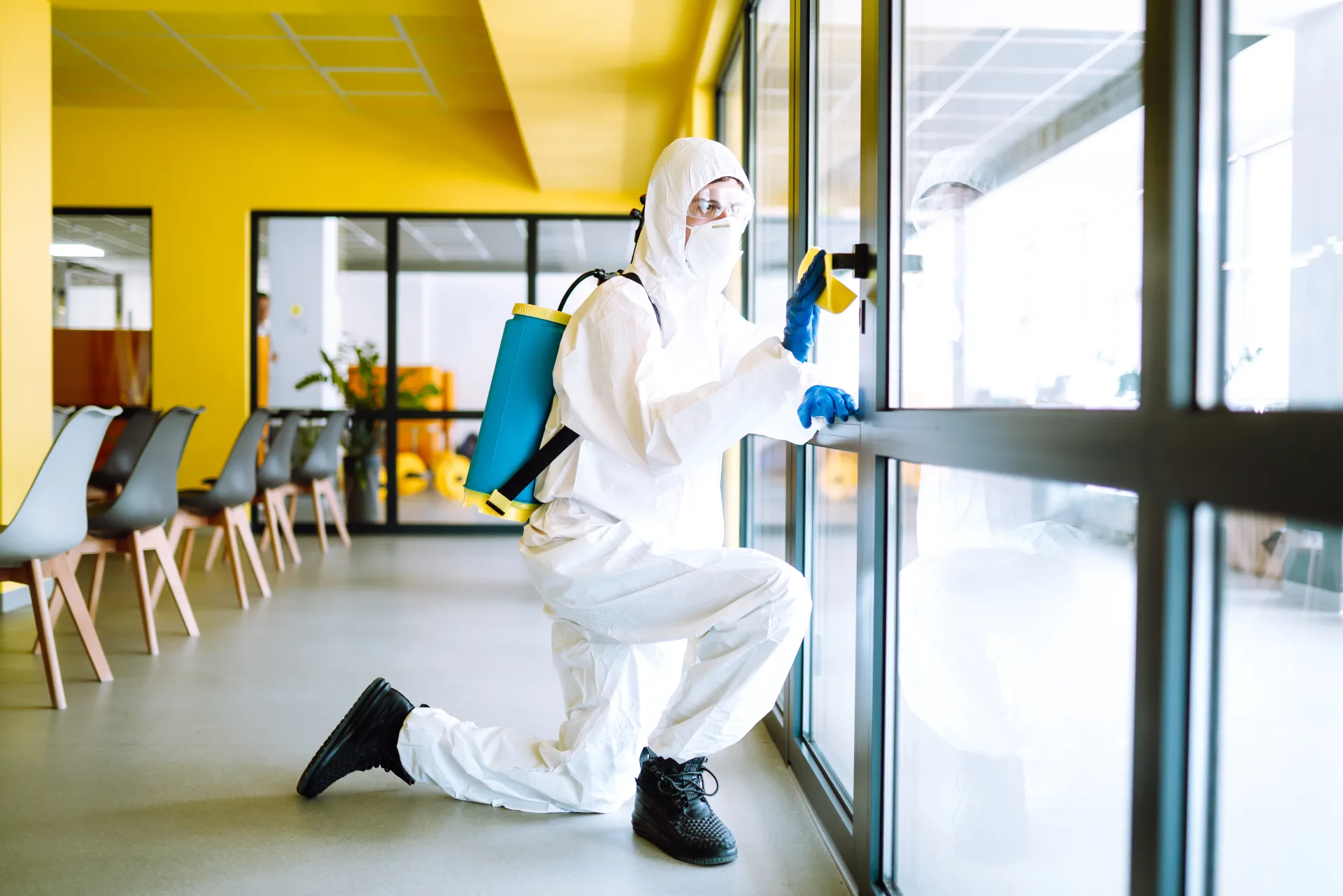
Health and Safety Compliance for Office Managers
Under Ontario's Occupational Health and Safety Act, employers and property owners share responsibility for maintaining workplaces free from recognized health hazards — a standard that includes active pest infestations. WSIB documentation related to pest-caused workplace incidents can expose both property managers and tenant businesses to significant liability. Maintaining a documented pest management program with dated service records is the most direct way to demonstrate due diligence in the event of a claim or complaint.
In Ontario's commercial tenancy framework, responsibility for pest control typically falls to the landlord for building envelope and common area issues and to tenants for conditions caused by their own activities. Bugsway can work with both parties simultaneously and bill either or both depending on the arrangement — a flexibility that simplifies pest management in complex multi-tenant buildings. We provide written letters confirming an active pest management program is in place, which is increasingly required by prospective tenants during lease negotiations and by insurance providers at renewal.
For buildings pursuing LEED or BOMA certification, an active IPM program with documented service records is a recognized credit under multiple sustainability frameworks. Our service logs are formatted to support these applications and can be provided in a consolidated annual report. Building managers seeking to improve or maintain their BOMA certification status will find Bugsway's documentation package directly useful in demonstrating ongoing environmental management practices.
Office Pest Control: Discreet Service for Professional Environments
Office break rooms, kitchen areas, and the potted plants near south-facing windows are the three most common pest discovery points in Toronto commercial offices — and each one presents a different pest challenge. Ants trailing to break rooms and coffee stations are the most frequent complaint: pavement ants entering through foundation cracks in older office buildings follow pheromone trails directly to any food residue left on countertops or in improperly sealed containers. Fruit flies breeding in drain buildup beneath kitchen sinks and in organic waste left overnight in under-counter bins are a seasonal issue that escalates rapidly in warm weather. Ghost ants — a small, pale tropical ant species that has become established in many of Toronto's heated office towers — colonize the soil of potted plants near windows and trail along window ledges to kitchens and reception areas. Mice in office break rooms are the highest-urgency discovery: a single mouse observed by an employee or visitor can generate significant workplace concern and potential OHSA reporting obligations for the employer.
Bugsway's office pest management service is structured to be completely invisible to your employees and visitors. Treatments are scheduled after business hours or on weekends, using gel baits and concealed monitoring stations that leave no visible residue and generate no odour in the office environment. Property managers receive concise digital service reports after every visit — formatted for inclusion in building maintenance records, insurance files, and BOMA certification documentation — providing the paper trail required to demonstrate active, documented pest management for prospective tenants and building inspectors.
Frequently Asked Questions
Have more questions? Call us at 416-555-5555.