Preventative Pest Control Programs
Stop infestations before they start with seasonal barrier treatments, entry point sealing, and monitoring programs designed to keep your home or business pest-free year-round.
Prevention Is Better Than Cure
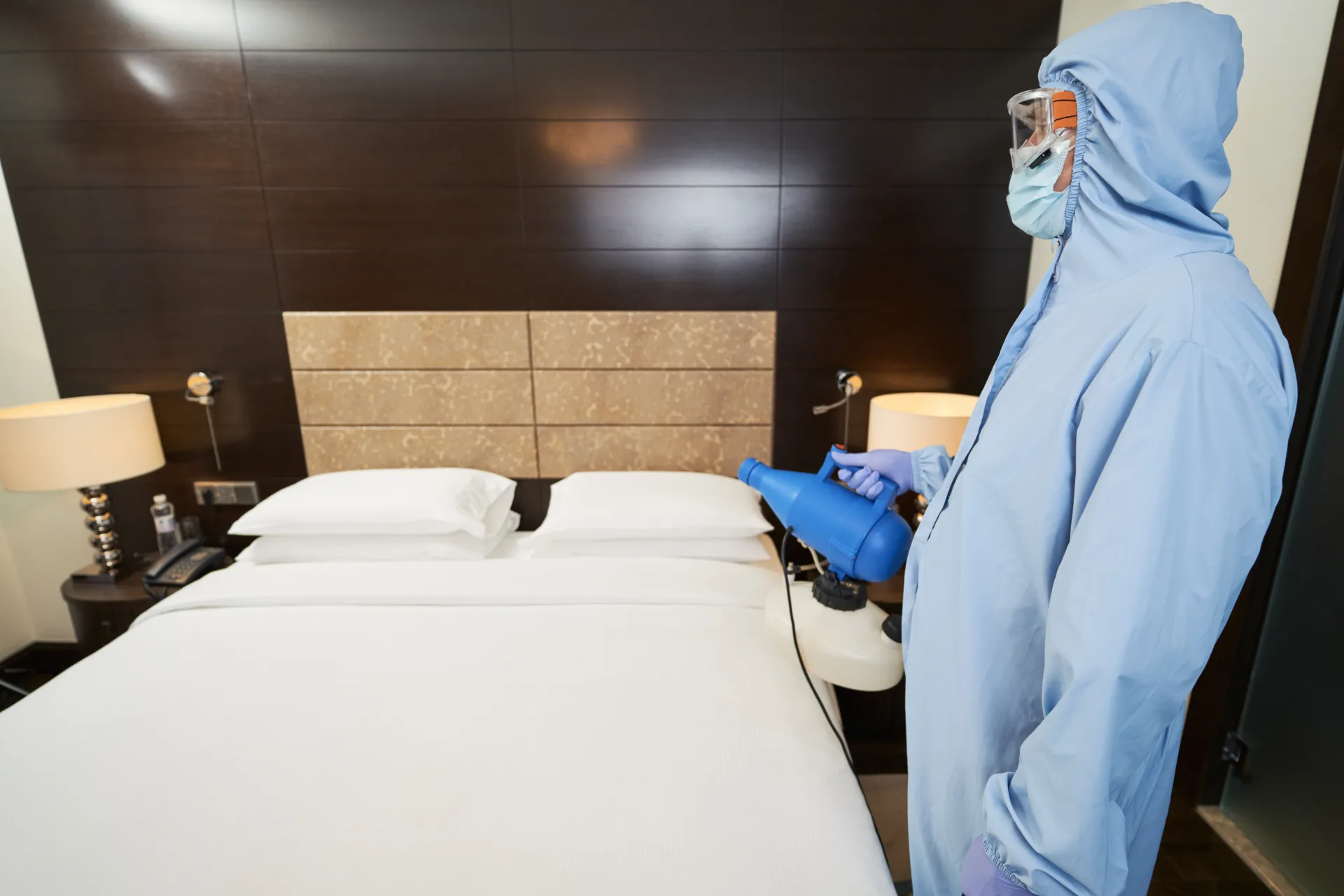
The most cost-effective pest control strategy is stopping infestations before they begin. Bugsway's preventative programs use seasonal barrier treatments, entry point sealing, and monitoring stations to keep pests out year-round.
Our annual plan clients save an average of 40% compared to reactive treatment costs — and avoid the stress of a full infestation.
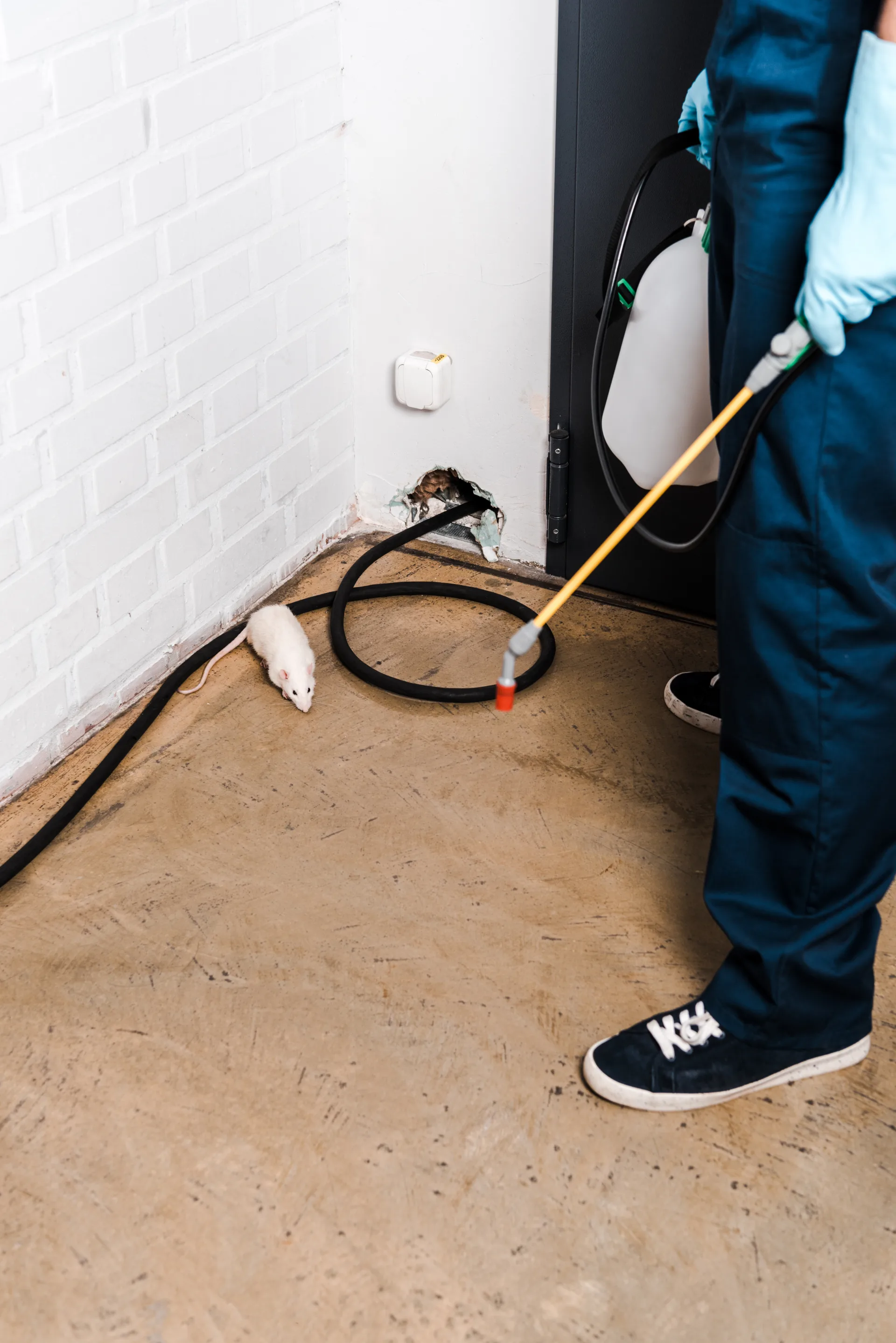
Our Prevention Services
Seasonal Inspection Program
Quarterly inspections identify pest pressure before it becomes an infestation. Includes a written report with findings and recommended actions.
Perimeter Barrier Treatment
Exterior liquid barrier applied around your foundation prevents ants, spiders, and crawling insects from entering. Reapplied each season for continuous protection.
Entry Point Sealing
We identify and seal gaps around pipes, vents, windows, and doors — the entry points mice and insects exploit to get inside your home or business.
Moisture Control Assessment
High moisture attracts cockroaches, silverfish, and carpenter ants. We identify and address problem areas to reduce conditions that support pest activity.
Rodent Monitoring Stations
Tamper-resistant monitoring stations in key locations give early warning of rodent activity before populations establish and damage begins.
Annual Protection Plan
Full-season coverage with unlimited service calls, quarterly visits, and priority emergency response. The most comprehensive pest protection available for GTA properties.
How Our Prevention Programs Work
Prevention starts with a comprehensive baseline inspection — we map pest pressure, entry points, and conditions that could lead to future problems. From there, we build a customized prevention calendar.
Most clients receive 4 visits per year timed to seasonal pest pressures: spring ant emergence, summer mosquito/wasp activity, fall rodent ingress, and winter cockroach monitoring.
Start Your Prevention Plan Today
Protect your property before pests become a problem.
Seasonal Pest Pressure in Toronto: A Prevention Calendar
Effective pest prevention requires timing treatments to the pest life cycle, not reacting after infestations establish. In Toronto, the critical prevention window for ants and exterior-entering insects is April-May — before colonies mobilize and foragers find entry points into your home. Spring perimeter treatment creates a barrier before summer pest pressure peaks. The summer months (June-August) bring peak mosquito activity, wasp colony growth (colonies reach maximum size in August), and increased spider populations — barrier spray maintenance every 4-6 weeks keeps these pests suppressed throughout the season.
Fall (September-November) is the most critical period for rodent prevention. As temperatures drop below 10°C consistently, mice and rats begin seeking indoor harborage — entry point sealing and rodent monitoring station installation before this period begins prevents the most common winter rodent scenarios. Winter months bring reduced overall pest activity but are the ideal time for termite inspections in accessible crawlspaces and for scheduling the spring prevention program before the April booking rush.

Prevention for Rental Properties and Property Managers
Ontario landlords have a legal obligation under the Residential Tenancies Act to provide and maintain rental units free from pest infestations. Proactive prevention reduces the frequency and severity of infestations, limits liability exposure, and keeps rental units consistently habitable and rentable. A property with a documented annual pest control program is significantly less likely to face LTB applications from tenants citing pest issues. Bugsway offers property management prevention contracts covering regular inspections, seasonal treatments, and 24-hour emergency response for all managed units.
For condominium corporations, the Condominium Act requires building-wide pest control as part of the common element maintenance obligation. Multi-unit buildings with shared plumbing walls and ventilation systems require coordinated building-wide prevention — treating individual units reactively after infestations establish is significantly more expensive than building-wide quarterly prevention. Bugsway provides condominium corporations with standardized service documentation suitable for AGM reporting and reserve fund studies.

The 5 Most Common Entry Points in GTA Homes
Most pest infestations in GTA homes begin at one of five predictable entry point categories. Understanding where these vulnerabilities exist — and how to identify and address them — is the foundation of effective pest prevention. A licensed Bugsway technician will assess all five categories during a prevention inspection, but knowing what to look for helps homeowners take action between scheduled visits.
1. Foundation gaps and cracks. The joint where your home's foundation meets the exterior wall cladding is one of the most common entry points for mice, ants, cockroaches, and centipedes. Concrete foundations develop hairline cracks over time from freeze-thaw cycles — Toronto's climate subjects foundations to significant thermal stress each year. Even a gap of 6 millimetres is sufficient for a mouse to pass through. Inspect your foundation perimeter in early spring, looking for cracks wider than a pencil tip, gaps at the base of brick veneer, and open mortar joints. Seal cracks in concrete with polyurethane caulk or hydraulic cement; gaps in the foundation-to-sill plate junction should be sealed with expanding foam followed by steel wool or copper mesh packing to prevent rodents from chewing through the foam.
2. Dryer vents. Dryer vent terminations on exterior walls are a direct heated pathway from outside into your laundry room wall cavity. The flap damper on most consumer-grade dryer vents is lightweight and easily pushed open from outside by mice, squirrels, and even larger pests. Inspect your dryer vent termination cap — if the damper flap is missing, broken, or easily moved by hand, replace it with a heavier-duty pest-resistant cap that uses a spring-loaded or weighted damper. Ensure the vent duct inside the wall is properly connected with no gaps at either the dryer or the termination end.
3. Weep brick openings. Brick-veneer homes have weep holes at the base of each brick course — small gaps left intentionally between bricks at the bottom of the wall to allow moisture drainage from behind the veneer. These 10-millimetre openings are an ideal entry point for wasps, bees, mice, and insects. Weep holes should never be completely sealed (they serve a critical moisture management function), but they can be protected with stainless steel mesh weep hole covers, which allow air and moisture movement while blocking pest entry. These covers are inexpensive, widely available at building supply stores, and take approximately 30 minutes to install on a typical home.
4. Roofline gaps at soffits, fascia, and gable vents. The junction between your roof and exterior walls — the soffit and fascia area — is the primary entry point for squirrels, raccoons, starlings, and cluster flies. Over time, wood fascia rots, aluminum soffit panels separate at the joints, and gable-end vents lose their screen mesh. Inspect your roofline from the ground with binoculars in late summer or fall, before leaves drop, when gaps at the roofline are most visible. Any gap larger than 2.5 centimetres at the roofline should be addressed before October, when squirrels and raccoons begin actively seeking winter denning sites. Gaps should be sealed with galvanized steel flashing or 16-gauge hardware cloth — wood and foam alone are not effective against gnawing rodents.
5. Pipe and utility penetrations. Every pipe, conduit, and utility cable that enters your home through an exterior wall creates a potential pest entry point. Natural gas lines, water service pipes, electrical conduit, communications cables, and HVAC refrigerant lines all pass through the exterior wall — and the gaps around them are frequently left partially open after installation. Inspect all visible penetrations from outside, looking for gaps between the pipe or cable and the wall material. Seal small gaps with exterior-grade polyurethane caulk. For larger gaps around pipes 25 millimetres or larger in diameter, use a combination of expanding foam (for the bulk fill) and steel wool or copper mesh packing around the pipe to prevent rodent entry.

Seasonal Pest Prevention Calendar for Ontario Homeowners
Ontario's four distinct seasons create four distinct pest pressure windows, each requiring different prevention actions. A seasonal prevention calendar helps GTA homeowners take targeted action at the right time — before the pest pressure peaks, not after it has already established inside the home.
Spring (March through May) — Ant and wasp inspection. As temperatures rise above freezing consistently in March and April, overwintering ant colonies inside wall voids and wooden structural members begin to stir. Carpenter ant swarmers (winged reproductives) are often the first visible sign of a mature colony that has been present for a year or more — if you see large, winged black ants inside your home in spring, there is a colony already inside. Spring is the time to apply a preventative perimeter treatment around your foundation before ant foraging trails establish, seal any gaps identified during the winter, and inspect eaves and overhangs for new wasp queen activity. Wasp queens emerge in April and begin constructing new nests from scratch — a nest found in spring when it is golf-ball-sized is far simpler and less expensive to treat than the same nest in August when it contains 5,000 workers.
Summer (June through August) — Mosquito barrier treatment. Peak mosquito season in Toronto runs from mid-June through August, coinciding with the warmest temperatures and highest rainfall. June is the optimal time to apply a mosquito barrier spray treatment to foliage and perimeter areas, which kills adult mosquitoes resting in vegetation and provides 3 to 4 weeks of residual protection. Properties with standing water — ornamental ponds, rain barrels, low-lying areas — should have larvicide applied in late May or early June before peak breeding. Repeat barrier spray applications every 3 to 4 weeks through August provide continuous mosquito suppression for outdoor living spaces. If you are planning outdoor events — a summer party, a family gathering — schedule a barrier spray treatment 2 to 3 days before the event date.
Fall (September through November) — Rodent exclusion before October. The fall exclusion window is the most critical prevention action of the year for GTA homeowners. As overnight temperatures drop below 10°C in September and October, mice and rats transition from outdoor foraging to actively seeking warm harborage inside structures. The first cold nights of fall trigger entry-seeking behaviour — and a mouse can enter through any gap the diameter of a dime (6 millimetres). A fall exclusion inspection in September — before the first cold nights — identifies and seals all vulnerable entry points before the rodent ingress season begins. Exclusion performed in October or November after rodents have already entered is reactive, not preventative. Book your fall exclusion service before the end of September for maximum effectiveness.
Winter (December through February) — Attic inspection for squirrel and raccoon entry. While most pest activity slows in winter, attic intrusions by squirrels and raccoons peak between December and February when these animals seek warm denning sites to overwinter or give birth. Squirrels can chew through wood, aluminum, and plastic materials at roofline gaps; raccoons can peel back unsecured soffit panels with their hands. Inspect your attic in early December for signs of entry: droppings, nesting material, insulation disturbance, or audible movement in the morning and evening. If entry signs are present, a licensed wildlife control professional should be engaged — attempting to seal animals inside an attic is both inhumane and counterproductive, as trapped animals will cause significant structural damage trying to escape.

Prevention Program Pricing
Pest prevention program pricing in Toronto is structured around two primary options: a one-time exclusion inspection and sealing service, or an ongoing annual prevention program that provides year-round protection with scheduled visits and emergency call-in coverage.
A one-time exclusion inspection and sealing service ranges from $300 to $600 for a standard Toronto residential property. This service includes a comprehensive walk-around inspection of all five entry point categories described above, written documentation of all gaps and vulnerabilities found, physical sealing of all identified entry points using appropriate materials (caulk, expanding foam, steel mesh, hardware cloth), and a written report summarizing findings and any recommendations for items that could not be addressed in a single visit (such as roofline gaps that require ladder access or soffit repairs). The pricing range reflects differences in home size, the number of entry points identified, and the complexity of any sealing work required. Larger homes with more exterior surfaces and utility penetrations fall at the higher end of the range.
The annual prevention program ranges from $250 to $500 per year for a residential property and includes two scheduled visits per year — one in spring (April or May, timed to ant emergence and the pre-wasp-nesting window) and one in fall (September, timed to the rodent exclusion window). Both visits include a full exterior and interior inspection, perimeter barrier spray treatment, entry point check and re-sealing of any new gaps identified, and a written service report. Program clients also receive an emergency call-in benefit: if pest activity is detected between scheduled visits — mice inside the home, a wasp nest at an entry point, ants in the kitchen — program clients receive priority dispatch at no additional service call charge. Only the cost of any additional treatment materials required for that call-back visit would apply, and even that is included in many program tiers. Annual program pricing is set at the start of each contract year and does not change with fuel costs, labour rates, or product price increases during the contract period.
Frequently Asked Questions
Questions? Call 416-555-5555