Restaurant Pest Control Toronto
Protect your DineSafe rating, your reputation, and your customers. Bugsway's restaurant pest management program is designed specifically for Toronto food service environments — with health-code-aligned treatments and documentation that satisfies inspectors.
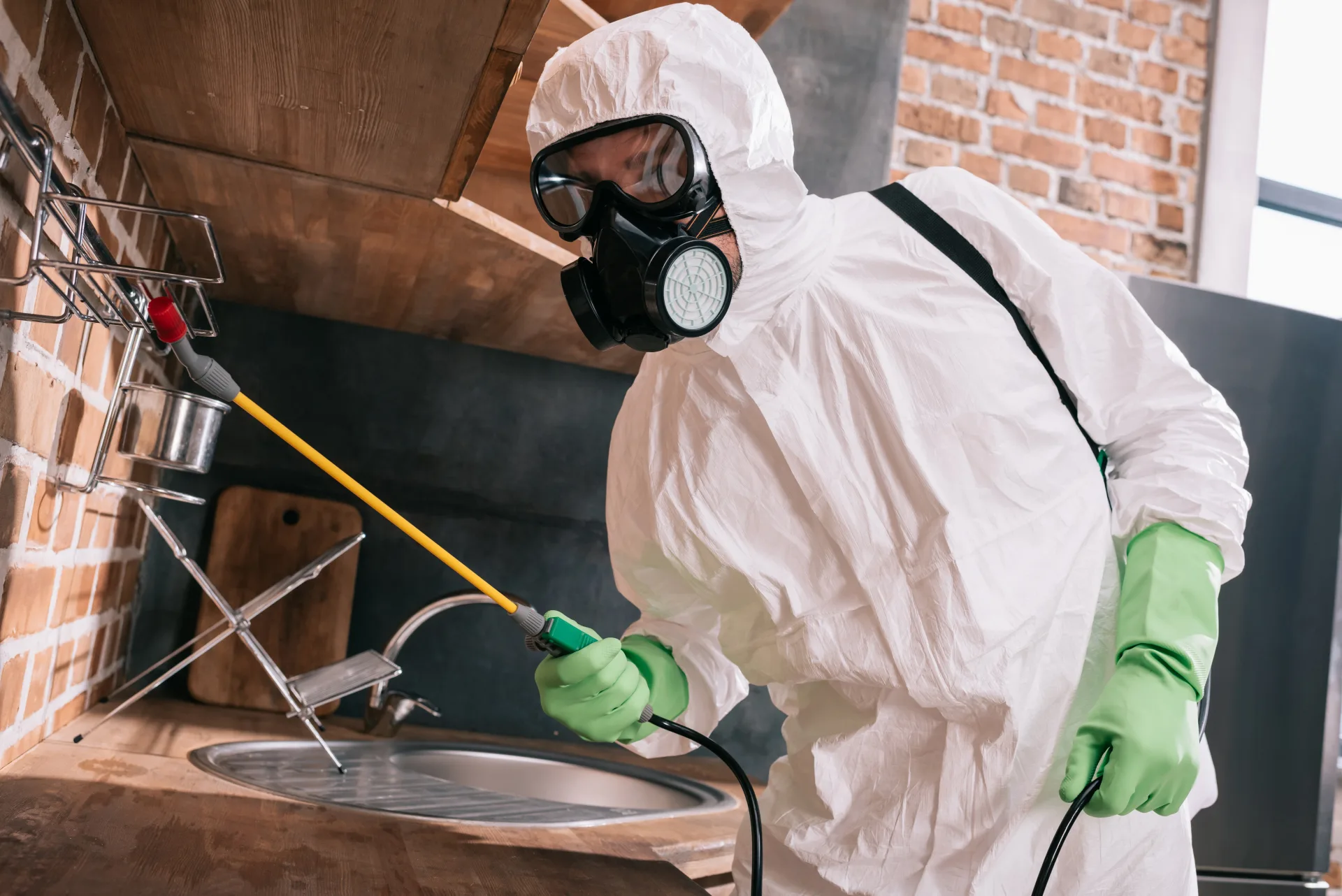
Toronto's DineSafe Program Has Zero Tolerance for Pests
Under Toronto Public Health's DineSafe program, a single Critical Infraction related to pests can result in an immediate Closed order and public disclosure. The Ontario Food Premises Regulation (O. Reg. 562/90) requires all food service operators to maintain an active pest management program and produce documentation on request. Bugsway's restaurant clients receive detailed service reports after every visit — ready for inspector review.
Common Pests in Toronto Restaurants
Food service environments provide everything pests need: warmth, moisture, food, and harbouring spaces. Here are the species we most commonly treat in Toronto kitchens and dining spaces.
German Cockroaches in Restaurant Kitchens
The German cockroach is the dominant cockroach species in Toronto restaurant kitchens, and it is specifically adapted to survive in high-traffic commercial food environments. These insects thrive in the warm, humid microclimates around commercial dishwashers, cooking equipment, and under countertops — exactly the conditions found in every Toronto kitchen.
German cockroaches reproduce rapidly — a single female can produce up to 300 offspring in her lifetime — and they develop resistance to commonly used insecticides. This is why our restaurant cockroach program uses rotation strategies, targeting different cockroach life stages with different treatment approaches to prevent resistance development.
Our treatment protocol uses gel bait applications in all harbourage sites (appliance interiors, cabinet hinges, wall voids), insect growth regulators (IGRs) to disrupt reproduction, and crack-and-crevice applications where appropriate. We never use broad-surface sprays in food preparation areas — our methods are designed for food service environments and regulatory compliance.
DineSafe-Critical: What Gets Restaurants Closed
Rodents in Restaurant Environments
Mouse and rat activity in a restaurant is one of the most serious pest situations a Toronto food operator can face. Beyond the immediate DineSafe implications, rodent droppings, gnaw marks, and nesting materials in food storage areas present direct food safety hazards and potential liability for illness caused to customers or staff.
Toronto restaurants located in older commercial buildings — particularly ground-floor units with basement storage — are at particularly high risk. Norway rats commonly enter through gaps in the building envelope at or below grade, while mice exploit every gap along shared walls, utility penetrations, and deteriorating foundation interfaces.
Our Restaurant Rodent Program Includes:
- Full entry point identification and exclusion documentation
- Tamper-resistant bait station placement in non-food areas
- Snap trap placement in food and food-adjacent spaces
- Rodent activity monitoring and trend reporting
- Staff awareness guidance for early detection
Why Rodenticide Alone Fails in Restaurants:
Rodenticide without exclusion is a temporary solution. Rodents entering from outside will replace those eliminated — indefinitely. Permanent control requires identifying and sealing entry points. Bugsway provides both the population control and the exclusion work, so your rodent problem doesn't return.
Restaurant Pest Control Compliance Checklist
Every Toronto restaurant should meet these minimum pest management standards under the Ontario Food Premises Regulation.
Source: Toronto Public Health DineSafe Program and Ontario Food Premises Regulation O. Reg. 562/90
Off-Hours Treatment — No Impact on Your Service
Restaurant pest control should never compromise your service hours or alarm your customers. Bugsway's commercial team is available for before-hours, after-hours, and overnight treatments across the Toronto GTA.
Most of our restaurant clients schedule treatments between 9pm and 5am — after cleanup is complete and before the morning prep shift begins. This ensures the maximum effective time for gel bait treatments, allows any minor residual odours from perimeter applications to dissipate, and keeps your pest management program invisible to customers and staff.
We also provide urgent same-day response for active infestations that cannot wait — including pre-inspection treatments when a DineSafe visit is imminent. Every service visit generates DineSafe-compliant documentation — including technician licence number, products applied with Health Canada registration numbers, areas treated, and corrective action steps — ready for presentation to a Toronto Public Health inspector at any time. Same-day emergency service is available seven days a week by calling 416-555-5555 directly.
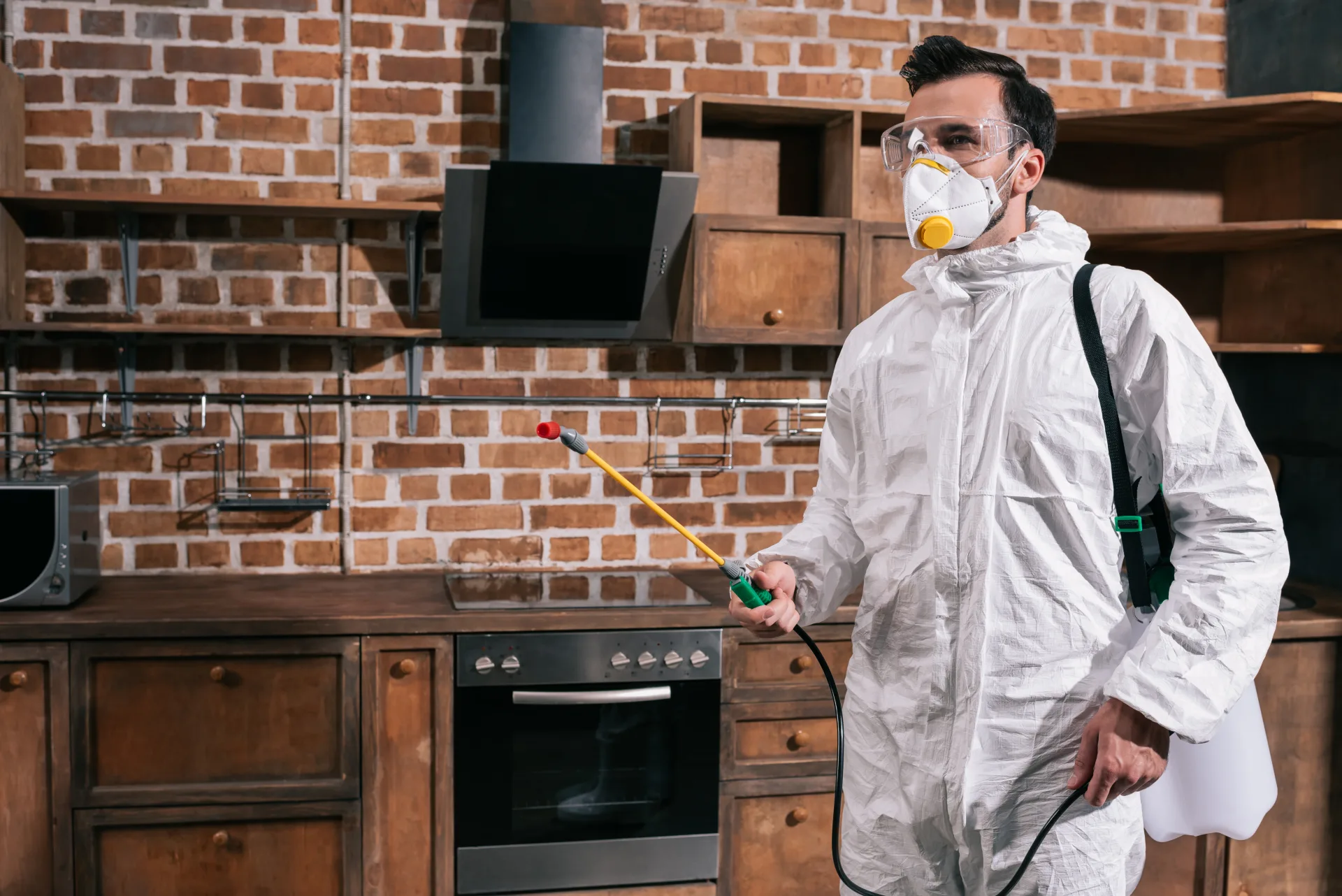
Protect Your Restaurant's DineSafe Rating
Join the Toronto restaurants that trust Bugsway for ongoing compliance. Get a commercial pest control proposal tailored to your food service operation.
Toronto DineSafe Compliance and Pest Control
Toronto's DineSafe program, administered by Toronto Public Health under the Ontario Food Premises Regulation (O. Reg. 562/90), uses a three-tier rating system: Pass, Conditional Pass, and Closed. A single Critical Infraction related to pest evidence — a live cockroach observed in the kitchen, rodent droppings near food storage, or evidence of pest activity on food contact surfaces — can trigger a Conditional Pass notice that must be posted visibly at your entrance. A second Critical Infraction, or one that poses an immediate public health risk, can result in a Closed order. Both outcomes are published publicly on the DineSafe website and remain searchable by anyone researching your establishment before visiting.
Health inspectors conducting DineSafe visits examine your premises for a specific list of pest-related indicators: live or dead insects, rodent droppings and gnaw marks, evidence of nesting materials, gaps in the building envelope that allow pest entry, food stored improperly, and grease or organic debris accumulation that supports pest harborage. They also look for evidence of an active, documented pest management program — including service records from a licensed exterminator. An operation with recent service documentation in order is treated very differently from one with no pest management records at all.
Bugsway provides all documentation required to support DineSafe re-inspection and corrective action sign-offs. Our service reports include the date and time of service, technician licence number, areas inspected, pest activity observed, products applied with Health Canada registration numbers, and corrective action recommendations. We maintain service records going back 12 months for all active restaurant accounts, so you can produce a complete pest management history for any inspector on request — an important capability when a previous Critical Infraction is on your record and an inspector returns for a follow-up visit.

The 6 Most Dangerous Pests for Food Service Operations
German cockroaches are the single most dangerous pest for Toronto restaurant operators. They are the fastest-breeding commercial pest species — a single mating pair can produce a population of 10,000 individuals within a single kitchen within months under ideal conditions. They contaminate food surfaces, trigger severe allergic reactions in sensitive individuals, and their presence constitutes an automatic Critical Infraction under DineSafe. Norway rats represent the most serious structural and food safety threat: they enter through loading dock gaps and utility penetrations, gnaw through refrigeration supply lines and electrical wiring, and contaminate stored product with droppings and urine. House mice pose a distinct fire risk — their constant gnawing behaviour targets electrical wiring, and mouse-caused electrical fires are a documented cause of commercial kitchen fires in Toronto.
Fruit flies in a restaurant kitchen are almost always a sign of drain breeding — organic matter accumulating in floor drains, grease traps, and the biofilm inside supply lines beneath equipment. Treating adult fruit flies without eliminating the larval breeding sources in drains provides only temporary relief. Stored product pests — grain weevils, flour beetles, and Indian meal moths — infest dry goods including flour, cereals, rice, spices, and nuts. A single infested delivery can contaminate an entire dry storage room; regular inspection of incoming product and proper sealed-container storage are the frontline defences. Pharaoh ants deserve special mention: this small yellow ant species is exceptionally difficult to eradicate because colony fragmentation in response to repellent treatments causes the colony to split and spread. Pharaoh ant infestations require bait-only protocols — no repellent sprays whatsoever.
Effective restaurant pest management requires a different approach for each of these species. Our technicians are trained to identify the specific pest species present, assess population size and distribution, and select treatment methods appropriate for a food service environment. We never apply a one-size-fits-all treatment — the product rotation, placement strategy, and monitoring frequency for a German cockroach infestation is fundamentally different from the approach required for a Norway rat problem or a stored product pest outbreak.
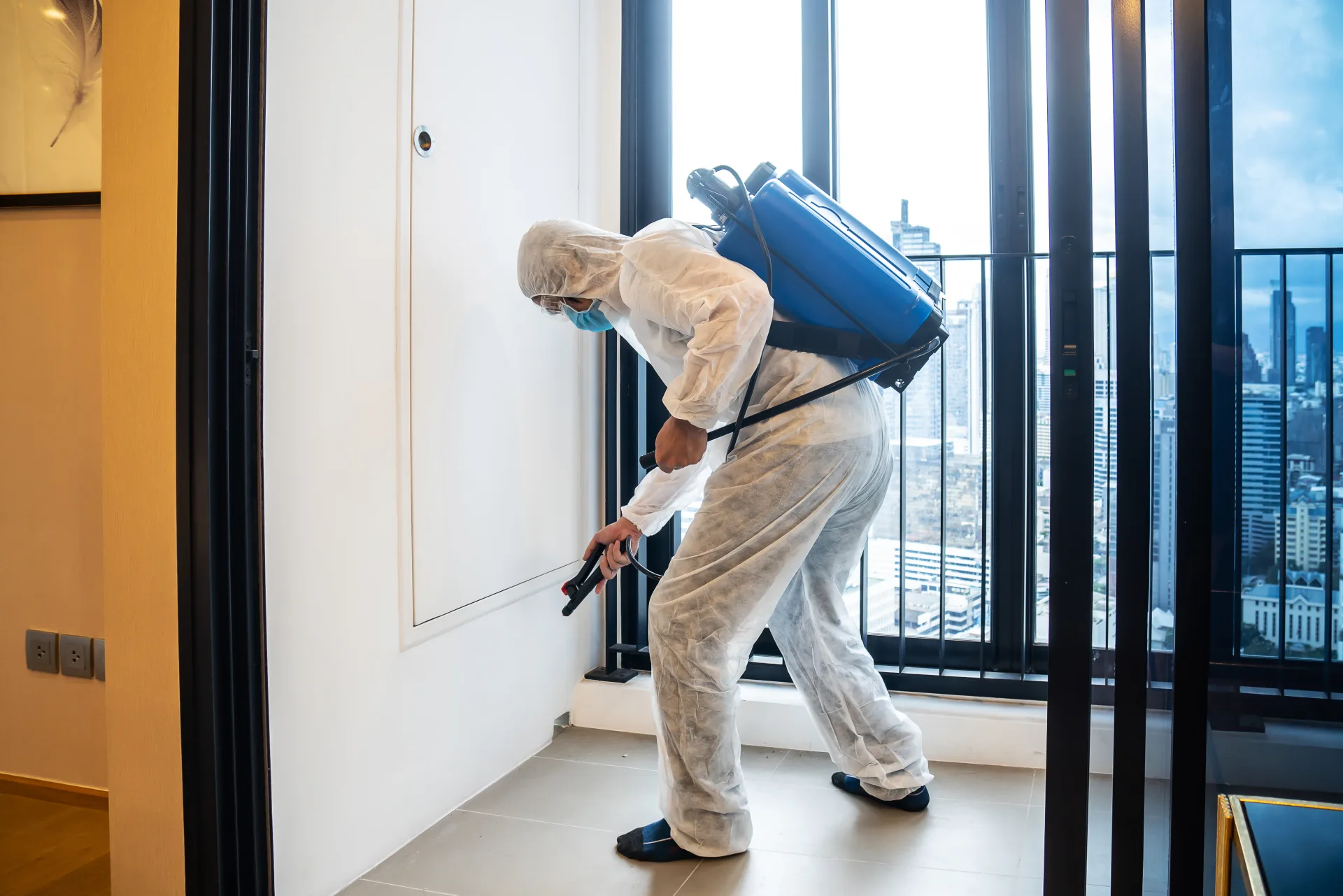
Our Restaurant Pest Management Protocol
Bugsway's restaurant pest management program is built around HACCP (Hazard Analysis and Critical Control Points) compatibility — the food safety framework used by all serious food service operations. Every product we apply in a restaurant environment is Health Canada-registered and specifically approved for use in food-handling areas. Gel baits are placed exclusively inside void spaces — inside appliance interiors, beneath equipment, inside cabinet hinges, and within wall voids — never on food contact surfaces or in locations accessible to food. Residual insecticides are applied only in non-food zones and perimeter areas after the kitchen has closed and been cleaned.
Rodent management in restaurant environments uses tamper-resistant bait stations and snap traps positioned along walls and in non-food zones — loading areas, garbage rooms, and under equipment in back-of-house areas far from food preparation surfaces. We never use loose rodenticide in areas where contamination of food or food-contact surfaces is possible. All station placements are documented on a floor plan provided to your management team, so you always know exactly where monitoring equipment is located and can account for it during your own internal inspections.
All Bugsway commercial restaurant technicians carry visible photo identification and wear dedicated uniforms that identify them as pest management professionals. Technician credentials — including their Ontario pesticide applicator licence number — are included in every service report. This matters because Toronto Public Health inspectors may ask for this information during a DineSafe inspection, and having it documented in your service records demonstrates that you are using a properly licensed, professional pest management provider rather than attempting to self-treat with retail products.

Preventing Pest Re-Entry: Structural Recommendations
Chemical treatment eliminates existing pest populations, but without addressing the structural vulnerabilities that allowed pests to enter in the first place, re-infestation is a matter of time. The most impactful structural improvement for most Toronto restaurants is installing adequate door sweeps on all exterior-facing and loading dock doors — a gap of six millimetres at the base of a door is sufficient for a mouse to enter. Loading dock doors that seal improperly when closed are among the most common rodent entry points we document in commercial kitchen inspections, and the fix is typically a straightforward hardware replacement.
Floor drains should be fitted with mesh drain covers to prevent both pest entry and drain fly breeding. Gaps around dishwasher supply lines, hood exhaust penetrations, and refrigeration conduit entries through exterior walls should be sealed with appropriate materials — steel wool packed behind expanding foam is effective for rodent exclusion. Cold chain and dry goods storage areas benefit enormously from moving all product off the floor and onto shelving at a minimum of fifteen centimetres above floor level, and storing dry goods in sealed bins rather than the original paper or cardboard packaging that rodents and stored product insects can breach easily.
Waste management practices are as important as structural pest-proofing. Outdoor waste bins with damaged or missing lids attract rodents and wasps. The timing of outdoor bin placement matters — restaurants that put bins out the night before collection provide an overnight food source that draws rodents to the building perimeter. We provide specific structural recommendations for your facility after every initial inspection, prioritized by the impact each improvement will have on reducing ongoing pest pressure and your DineSafe compliance risk.

Frequently Asked Questions
Have more questions? Call us at 416-555-5555.