Warehouse & Industrial Pest Control Toronto
Rodents in your warehouse damage inventory, contaminate products, and put your supply chain certifications at risk. Bugsway's industrial pest management program protects GTA warehouses, distribution centres, and manufacturing facilities at scale.

Why Warehouses Face Extreme Pest Pressure
Industrial facilities present unique and often severe pest challenges that require industrial-scale solutions.
Rodents — The Primary Threat
Norway rats and house mice are the dominant pest threat in Toronto warehouses and distribution centres. Large, open-floor facilities with frequent loading dock access, outdoor storage areas, and the warmth provided by 24-hour operations make warehouses an ideal rodent habitat. A single loading dock gap that goes unaddressed can introduce dozens of rodents per season.
Rodent damage in warehouses includes: product contamination, packaging damage, structural gnawing, electrical system damage, and health and safety violations.
Birds — A Structural and Regulatory Problem
Pigeons and starlings nesting in warehouse roof structures, loading bay areas, and high-ceiling spaces create accumulations of droppings that contaminate product, create slip and fall hazards, and can trigger food safety audit failures. Bird exclusion in large industrial spaces requires specialized equipment and expertise.
Bird control methods we use: wire systems, netting exclusion, spike installation, and targeted deterrent programs — all compliant with Ontario Wildlife legislation.
Stored Product Insects
Facilities storing grain, food products, packaging, or textile goods are at risk from stored product insects including grain weevils, flour beetles, and Indian meal moths. These insects often arrive as contaminants in incoming shipments and can establish rapidly in ambient storage conditions — posing serious supply chain and regulatory risks.
Supply chain pest programs include: incoming goods inspection protocols, commodity fumigation where applicable, and ongoing monitoring programs.
Large-Space Treatment Programs for GTA Industrial Facilities
Standard residential or small-commercial pest control techniques are not appropriate for warehouse-scale facilities. Treating a 50,000 sq ft distribution centre requires industrial-grade monitoring networks, properly spaced bait station arrays, and coordinated treatment protocols that align with operational schedules.
Bugsway's industrial pest management programs are designed around your facility's layout, operational hours, and specific pest pressure. We begin with a full facility assessment — including loading dock infrastructure, exterior perimeter, roof access points, and internal storage configurations — to develop a treatment plan scaled to your actual risk.
For facilities with food safety certification requirements (GFSI, SQF, BRC, HACCP), we provide pest management documentation that aligns with third-party audit requirements. Many of our warehouse clients include our pest management reports in their annual certification packages.
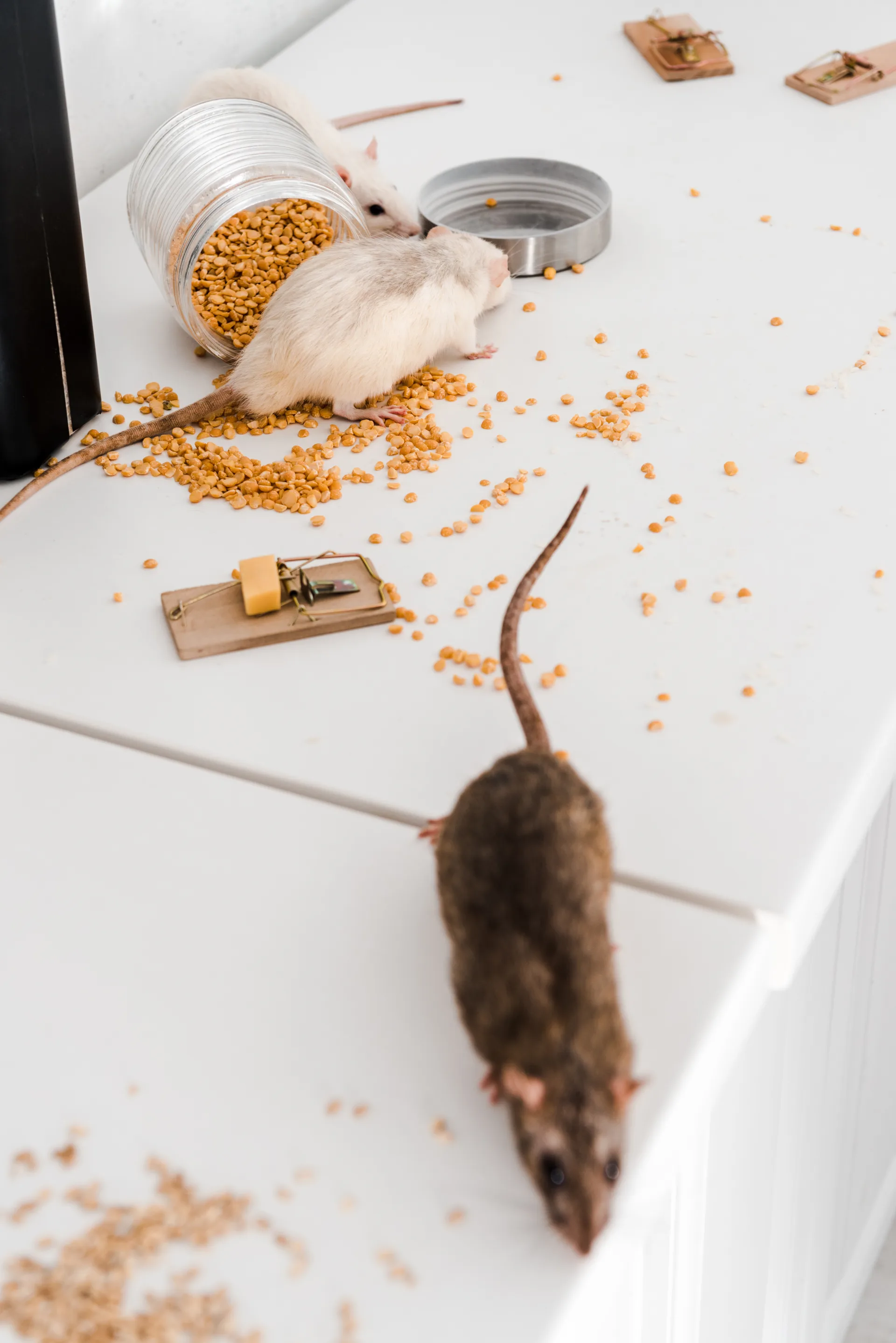
Supply Chain Pest Risks
Pest contamination introduced through incoming shipments is a growing concern for Toronto distribution facilities.
How Pests Enter Through Your Supply Chain
- Stored product insects as contaminants in incoming raw materials
- Rodents hitchhiking in large pallet shipments, particularly from agricultural origins
- Cockroach egg cases in cardboard packaging from infested facilities
- Bed bugs in returned merchandise from retail or hospitality sectors
- Flies breeding in organic waste from food product returns
Our Supply Chain Pest Mitigation Program
- Receiving area inspection protocols and staff training
- Monitoring devices at high-risk incoming goods areas
- Quarantine zone recommendations for suspicious shipments
- Incoming goods inspection documentation for audits
- Rapid response protocol for contaminated shipment discoveries
For HACCP and food safety certification requirements, refer to the Canadian Food Inspection Agency pest control requirements for food businesses.
Industrial Pest Control at the Scale Your Facility Requires
Bugsway's industrial pest management programs are designed for GTA warehouses, distribution centres, and manufacturing facilities. Get a site assessment proposal.
The Hidden Pest Risks Inside Toronto Warehouses
Warehouses provide near-ideal pest habitat year-round. The constant warmth generated by machinery, vehicle traffic, and 24-hour operations attracts overwintering rodents seeking refuge from Ontario winters. Pallet stacks, racking systems, and cardboard storage offer abundant harborage with minimal human disturbance. Reliable food sources from stored goods, food waste in employee areas, and organic debris accumulation in racking aisles sustain large pest populations that can go undetected for months in facilities without active monitoring programs.
The Canada Food Inspection Agency (CFIA) and HACCP-based food safety audit standards including SQF, BRC, and FSSC 22000 require documented pest control programs with service records, trend monitoring logs, and corrective action documentation for all food warehouses and distribution facilities. Non-compliance found during a third-party audit or unannounced CFIA inspection can result in product recalls, distribution contract suspensions, and certification withdrawals — consequences that dwarf the cost of a compliant prevention program by orders of magnitude.
Pest damage to inventory, packaging, and infrastructure costs Canadian warehouses an estimated $500 million annually. Norway rats gnaw through pallet wrap, wooden pallet blocks, and corrugated product packaging — directly contaminating or destroying inventory. Rodent gnawing on electrical wiring, control panel cabling, and sprinkler system pipes creates serious workplace safety hazards including fire risk and sprinkler system failure. A facility operating without documented pest control is exposed on every front: regulatory, financial, and physical safety.
Most Common Warehouse Pests in the GTA
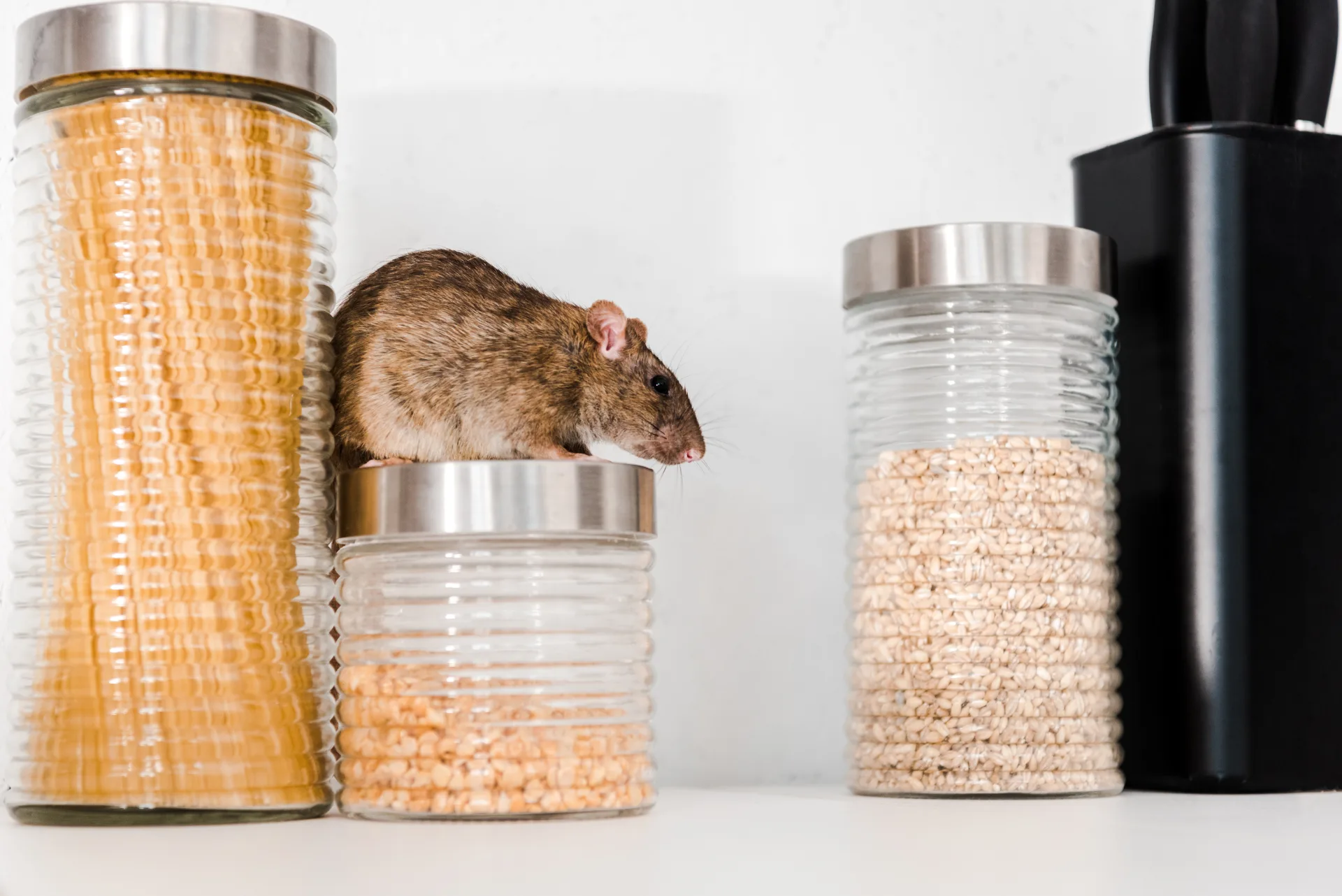
Norway rats are the most destructive warehouse pest in the Greater Toronto Area. They gnaw through pallet wrap, wooden pallets, and product packaging at loading docks and storage zones, directly contaminating inventory and triggering food safety audit failures. Rats burrow beneath insulation panels, under concrete floor slabs adjacent to exterior walls, and behind racking systems — establishing colonies that are difficult to eliminate without a structured perimeter exclusion program combined with an active interior monitoring station network.
Stored product insects arrive inside incoming shipments and establish rapidly in ambient warehouse conditions. Indian meal moths infest grain, cereals, nuts, dried fruit, and pet food. Flour beetles and grain weevils establish in dry goods storage and spread to adjacent product areas within weeks. Pigeons and European starlings enter through loading bay gaps, damaged roof panels, and open ridge vents — accumulating droppings that contaminate product below, create slip-and-fall hazards, and trigger food safety audit deficiencies. Pigeon droppings carry Histoplasma capsulatum and Cryptococcus neoformans, both of which present respiratory health risks to warehouse workers.
Pavement ants forage inside from the parking lot perimeter in spring and summer, establishing trails from exterior cracks to employee break rooms and product spill areas. Carpenter ants nest inside wooden structural elements including roof trusses, dock leveller housings, and wooden pallet storage zones. Spiders build webs in racking systems and product storage areas — while not a direct regulatory concern, web contamination in food zones creates audit findings in food-certified facilities. Each pest type requires a distinct treatment protocol, monitoring approach, and documentation trail.
Our Warehouse Pest Management Program
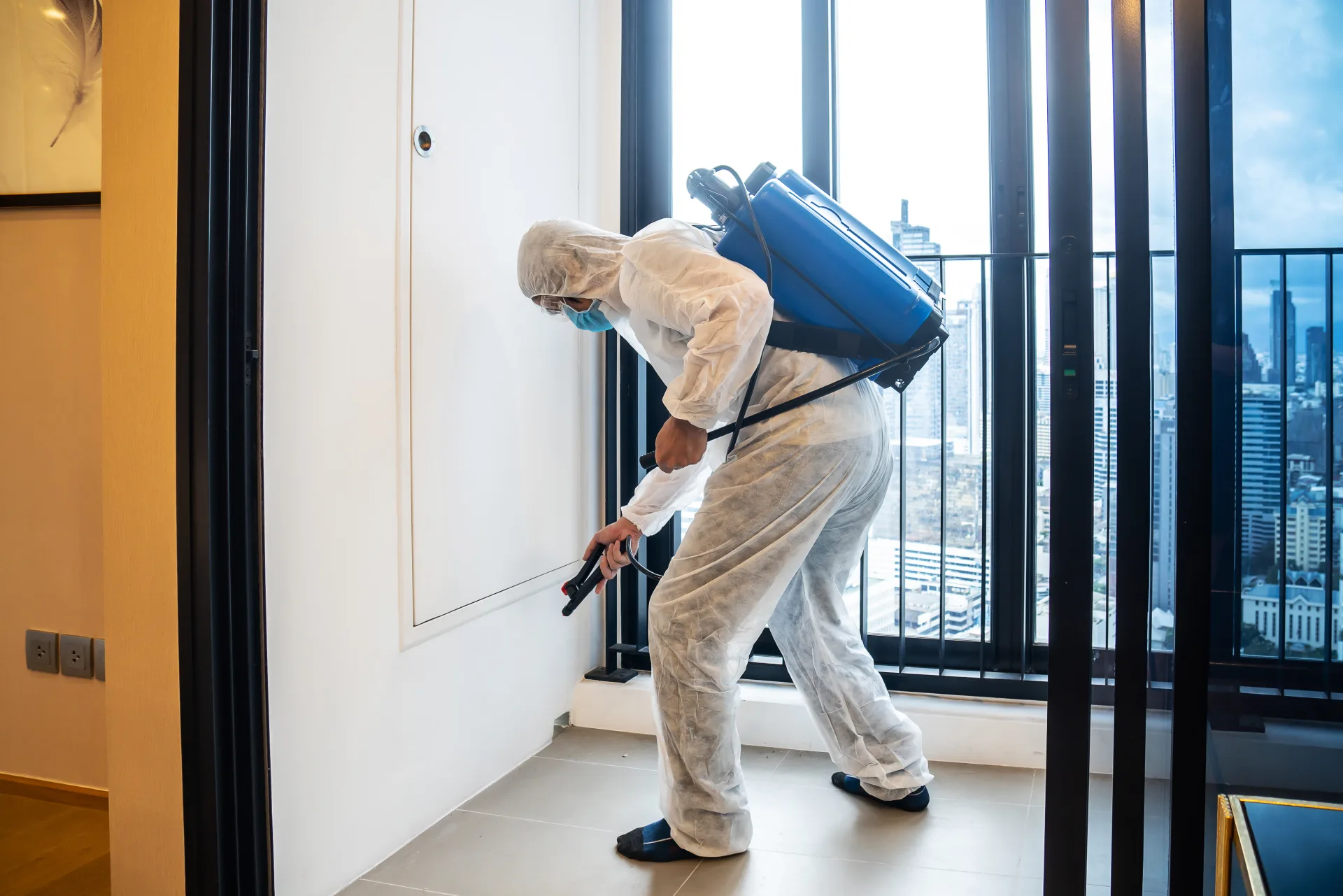
Every Bugsway warehouse engagement begins with a site walk conducted with the facility's logistics or operations manager. This walkthrough maps pest pressure zones — receiving docks, bulk storage aisles, employee break rooms, perimeter walls, utility corridors, and loading bays — and identifies existing pest activity, entry points, and harborage areas that require priority attention. The output is a written facility-specific pest management plan with treatment zone maps suitable for inclusion in a HACCP food safety program.
Commercial-grade rodent monitoring station networks are installed along perimeter interior walls and within racking aisles, spaced according to facility dimensions and risk mapping findings. All stations are tamper-resistant and key-locked, meeting workplace safety requirements for facilities with forklift traffic and employee access. Pheromone monitoring traps for stored product insects are deployed in all food storage zones and receiving areas, providing early detection of Indian meal moths, grain beetles, and flour weevils before infestations become widespread. A perimeter exclusion audit identifies loading dock door gaps, floor-wall junction cracks, utility penetrations, and roof access points, with written sealing recommendations for your facilities team.
HACCP-formatted service records with pest activity trend graphs are provided monthly — including station-by-station activity data, corrective actions taken, product safety data sheets, and technician certification records. These reports are formatted specifically for SQF, BRC, FSSC 22000, and Costco vendor audit requirements, and are accepted by third-party auditors across major food safety certification schemes. Unlimited corrective call-back visits are included between scheduled monthly service visits.

Protecting Warehouse Inventory from Pest Damage
Rodent damage to warehouse inventory is both more widespread and more expensive than most facility managers realize until they conduct a thorough audit. Norway rats gnaw through pallet wrap and corrugated product packaging — directly contaminating or destroying palletized goods stored at floor level and in lower racking positions. A single active rodent population in a food-grade warehouse can render entire pallet runs unsaleable, triggering product write-offs that dwarf the annual cost of a prevention program. Beyond product loss, rodents gnawing on electrical wiring, control panel cabling, and sprinkler system pipes create fire hazards and safety system failures that represent serious liability exposure for facility operators.
For food-grade warehouses and distribution centres operating under HACCP-based food safety certification — including SQF, BRC, FSSC 22000, and Costco vendor audit requirements — documented pest control is a formal prerequisite for certification, not an optional operating practice. Third-party auditors conducting annual certification visits examine pest monitoring logs, station activity records, corrective action documentation, and trend data going back 12 months. A warehouse without a compliant pest management program with continuous documentation cannot pass a food safety audit — a certification failure that can suspend distribution contracts and trigger customer notification requirements that cause lasting commercial damage.
Bugsway's warehouse pest management program addresses inventory protection and HACCP compliance simultaneously. Our service structure includes a perimeter bait station network covering all exterior walls and loading dock perimeters, interior rodent monitoring stations positioned along interior walls and within racking aisles at HACCP-required spacing, loading dock door gap assessments and sealing recommendations, and fly light trap installation in receiving and food-handling areas. Monthly inspection reports are provided in HACCP-formatted service records — including station-by-station activity data, trend graphs, corrective action documentation, and technician credentials — accepted by SQF, BRC, and FSSC 22000 auditors. Program pricing for GTA warehouses ranges from approximately $300 to $1,200 per month depending on facility size, food safety certification requirements, and service frequency.

Warehouse Pest Control Service Structure
Bugsway's warehouse pest control service structure is designed around the specific layout and operational requirements of industrial distribution and storage facilities. The program foundation is a calibrated perimeter bait station network: tamper-resistant, key-locked stations positioned at intervals along all exterior perimeter walls, loading dock door junctions, and utility entry points. Station spacing is calculated based on facility dimensions and the risk assessment findings from the initial site walk — not applied as a fixed interval regardless of actual pest pressure zones. All stations are numbered, mapped on facility floor plans, and checked at every monthly service visit with activity recorded in the inspection log.
Loading dock treatment receives dedicated attention in every Bugsway warehouse program. Dock doors are among the most significant rodent entry points in any warehouse facility, and the combination of loading activity, forklift traffic, and outdoor exposure makes dock areas consistently higher-risk than interior storage zones. Our dock treatment protocol includes dock door gap measurement and written sealing recommendations for the facilities team, exterior bait station placement adjacent to every active dock door, and regular inspection of dock leveller housings and dock pit areas where rodents commonly establish harborage.
Interior fly light traps are installed in receiving areas and any zone where food product is handled or stored — providing continuous monitoring for flying insects and early detection of stored product pest activity. Pheromone monitoring stations for Indian meal moths, grain weevils, and flour beetles are deployed in all applicable food storage zones and checked monthly. The complete monthly inspection report — provided in a format accepted by third-party food safety auditors — includes station activity data with trend comparison to previous months, corrective actions taken, pest identification records, product safety data sheets, and technician certification documentation. Unlimited corrective callback service is included between scheduled monthly visits at no additional charge.

Frequently Asked Questions
Have more questions? Call 416-555-5555.
Does our warehouse need a pest control program for CFIA compliance?
How do stored product insects get into a warehouse?
What is the best way to control rats in a large warehouse?
Can pigeons be excluded from our loading bay?
How often should a food warehouse be serviced?
What should warehouse staff report to us?
Bugsway Warehouse Pest Control: GTA Coverage and Service Guarantee
Bugsway serves distribution centres, cold storage facilities, third-party logistics warehouses, food manufacturing plants, and general merchandise warehouses throughout the Greater Toronto Area — including the major industrial corridors in Mississauga, Brampton, Vaughan, and north Toronto. Our warehouse pest control programs are designed around the operational realities of large-footprint facilities: service delivered during scheduled maintenance windows, treatment concentrated in high-risk zones near receiving docks and outdoor storage areas, and inspection reports formatted for HACCP, SQF, or BRC audit binders. Tamper-resistant bait stations are installed to Health Canada PMRA standards and are clearly marked in facility floor plans maintained in your digital pest log. Contact Bugsway for a free warehouse site assessment and written program proposal.