Termite Inspection Toronto
Certified termite inspection by Bugsway's licensed technicians. Systematic examination of your entire property, detailed written report same day, and clear treatment recommendations — protecting Toronto homes from termites since 2009.
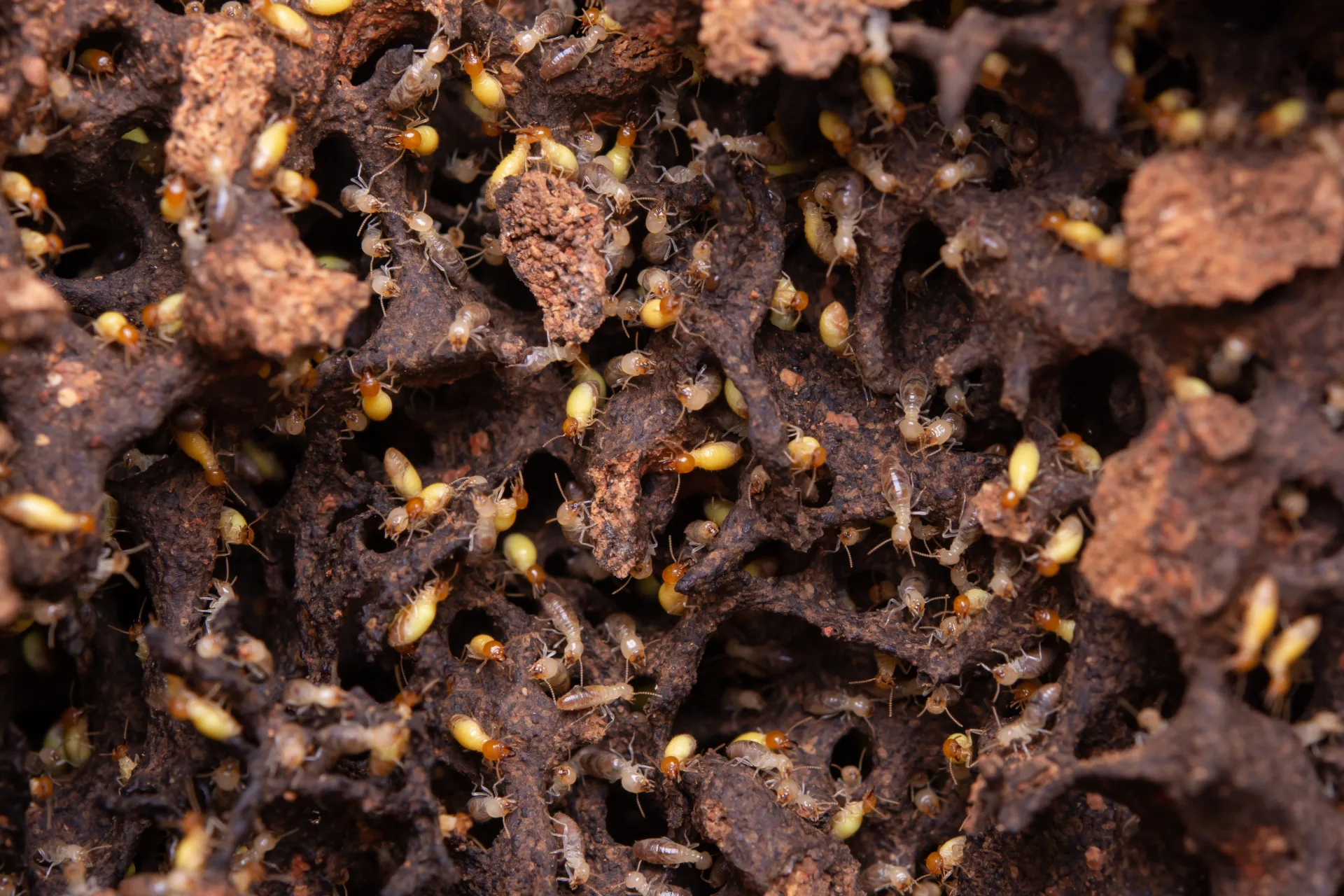
What Is a Professional Termite Inspection — and Why Does It Matter in Toronto?
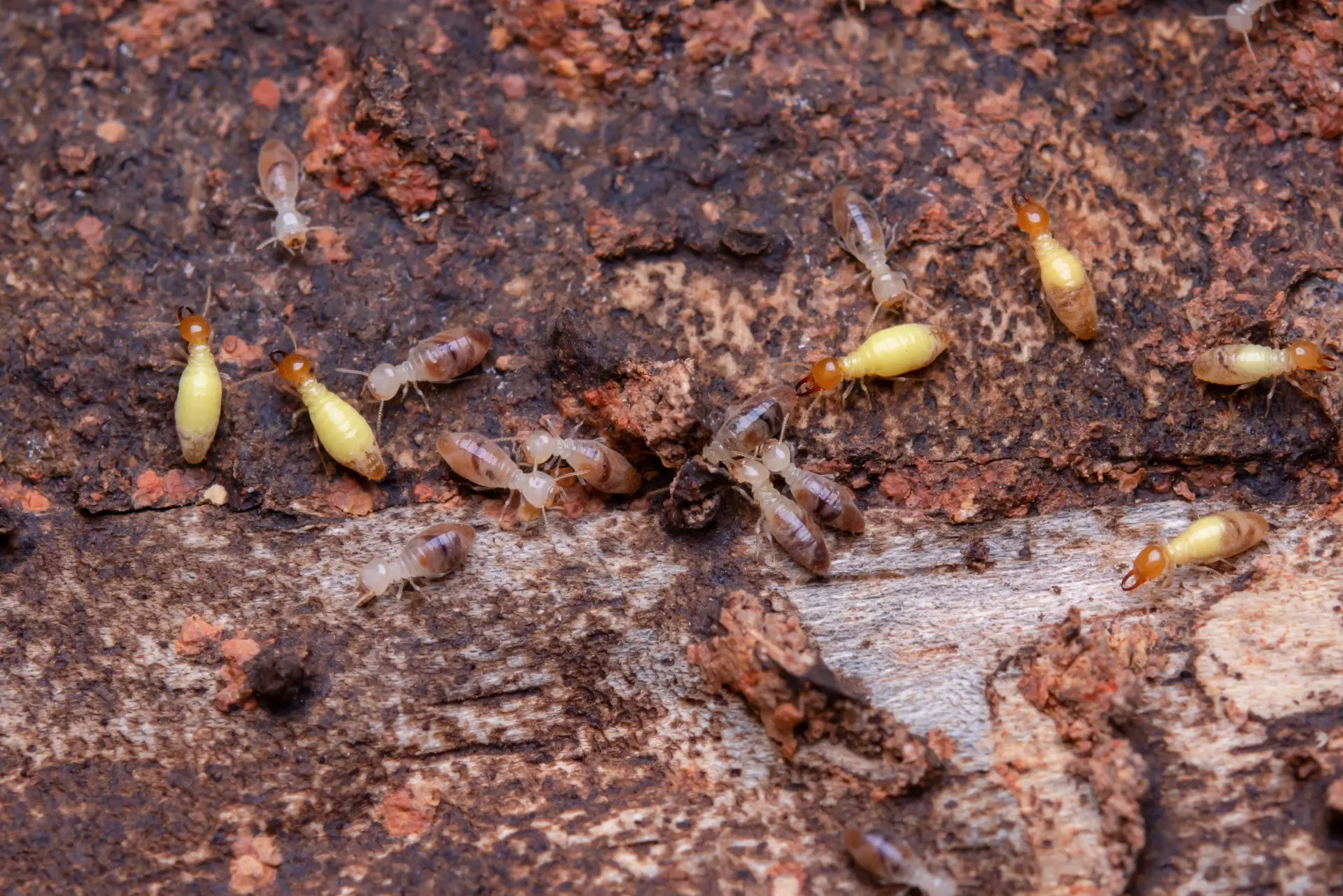
Why Professional Termite Inspection Beats DIY Assessment
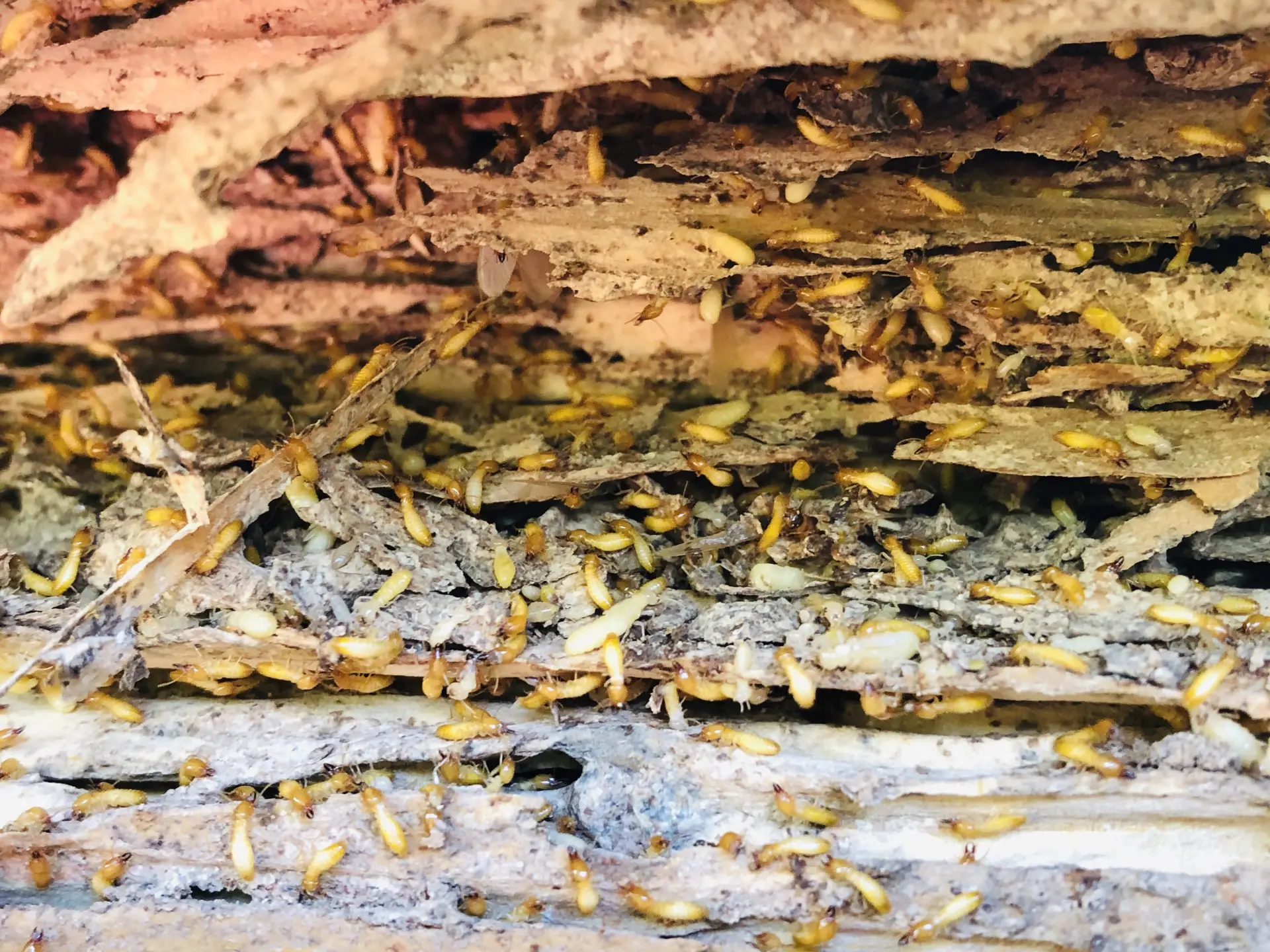
What's Included in Every Bugsway Termite Inspection
Exterior Foundation Inspection
Systematic examination of the exterior foundation perimeter for mud shelter tubes, wood-to-soil contact, moisture damage, and conducive conditions that attract subterranean termites.
Interior Structural Examination
Inspection of accessible basement framing, floor joists, sill plates, support posts, and sub-floor areas for termite activity, damage, and evidence — including sounding tests of suspect wood.
Conducive Condition Assessment
Documentation of conditions increasing termite risk — moisture-damaged wood, earth-filled porches, inadequate ventilation, plumbing leaks, and landscape mulch in contact with the foundation.
Photographic Documentation
All findings — termite evidence, damage, mud tubes, conducive conditions — photographed and referenced in the written report for a clear visual record of inspection results.
Detailed Written Report
Comprehensive written inspection report delivered on inspection day — findings summary, severity assessment, conducive conditions, treatment recommendations, and technician certification included.
Treatment Consultation
Post-inspection debrief explaining findings in plain language, answering questions, and outlining treatment options — liquid barrier or bait system — with no obligation to proceed with treatment.
Our Termite Inspection Process — Systematic, Documented, Reliable
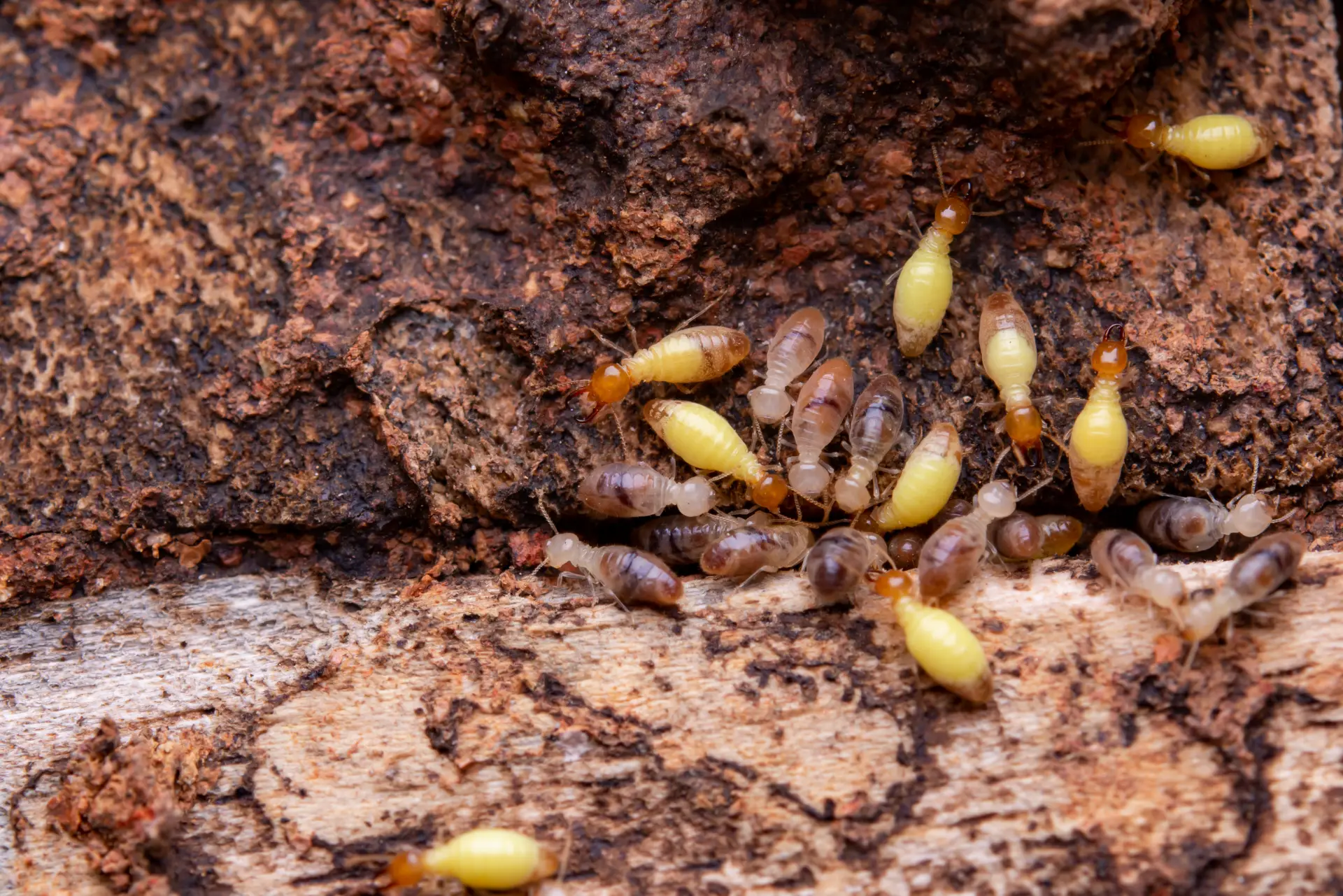
Termite Inspection Pricing
Transparent, flat-rate inspection pricing with no hidden fees. Written report included with every inspection.
Standard Residential Inspection
Single-family homes and townhouses
- Full interior & exterior inspection
- Written report same day
- Photographic documentation
- Treatment recommendations included
Comprehensive / Pre-Purchase Inspection
Pre-purchase, pre-sale, or large and complex properties
- Everything in Standard
- Detailed structural damage assessment
- Formal report for lawyers and lenders
- Priority same-week scheduling
Why Toronto Homeowners Trust Bugsway for Termite Inspection
Related Termite Treatment Services
Termite Liquid Treatment
Professional liquid barrier treatment — non-repellent termiticide injected around and beneath your foundation to eliminate active termite colonies and protect for up to a decade.
Bait System Installation
Long-term termite protection through strategically placed in-ground bait stations that intercept foraging termites and deliver colony-eliminating active ingredient back to the nest.
Full Termite Treatment
Complete termite management from inspection through treatment and monitoring — all services available from Bugsway's licensed Toronto termite specialists.
What Happens During a Bugsway Termite Inspection
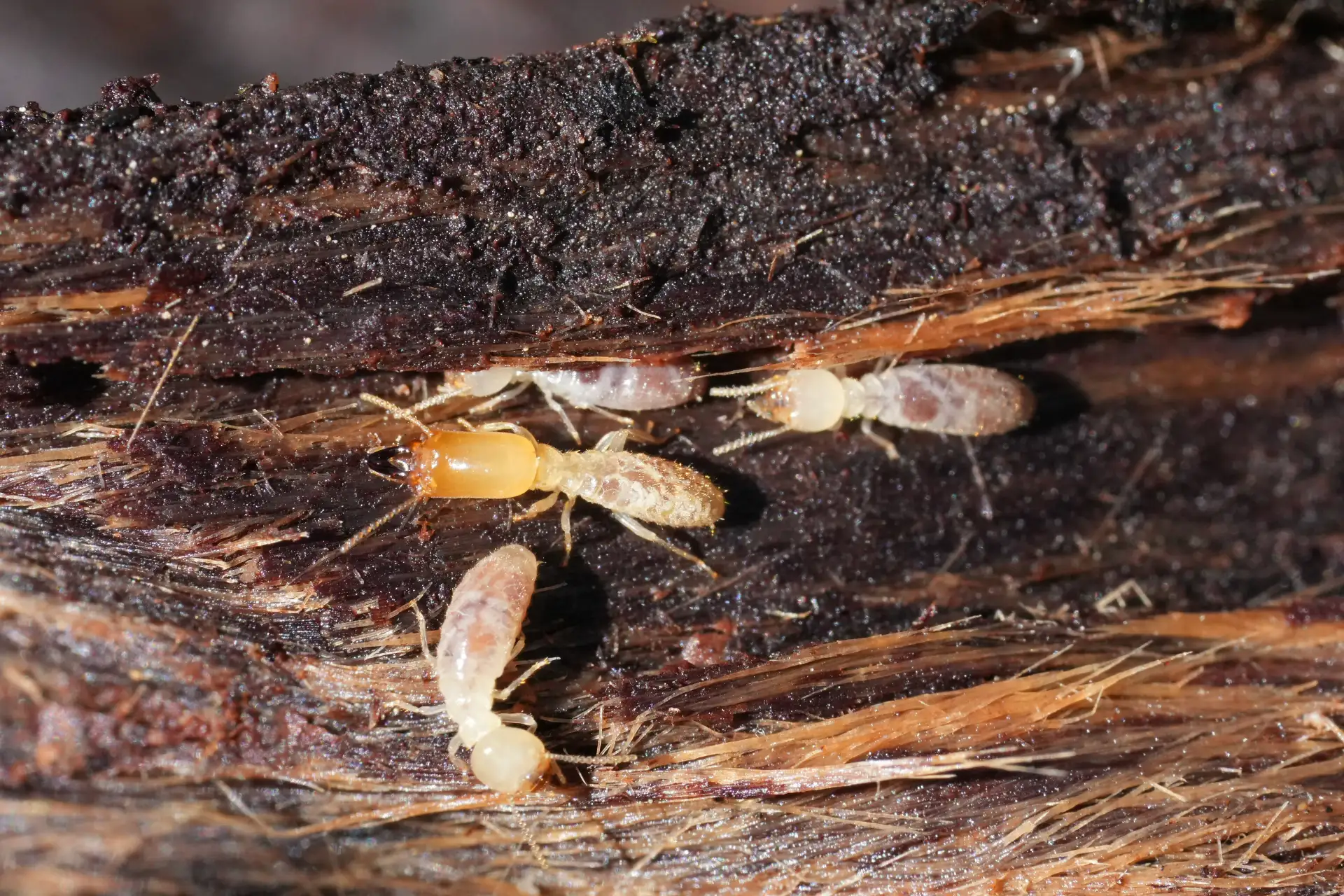
A Bugsway termite inspection is a systematic, documented examination of your property's structural components for evidence of termite activity and conducive conditions. The technician begins with the exterior foundation perimeter, examining the full visible height of the foundation wall for mud shelter tubes, cracks, wood-to-soil contact points, and moisture accumulation zones. Interior examination covers all accessible basement framing — sill plates, rim joists, floor joists, and beam pockets — using both visual inspection and probe testing of suspected wood members. A hollow sound or soft probe resistance in structural wood members is a significant indicator of termite damage, even when no external mud tubes are visible. The technician uses a calibrated moisture meter to identify moisture readings that indicate high-risk conditions, as subterranean termites require moisture in the wood they colonize. Where thermal imaging is requested, an infrared camera can detect temperature differentials in wall and floor cavities that suggest active termite galleries or moisture accumulation — particularly useful in finished basements where structural wood is not directly accessible.
At the conclusion of the inspection, the technician completes a written report that documents all areas inspected, all evidence observed (with photographs), and a classification of findings. Activity classification categories include: active infestation (live termites, fresh mud tubes, or fresh damage observed), past infestation (evidence of prior activity with no current live termites detected), structural risk (no termite activity but conditions highly conducive to infestation), and no evidence found. For each finding category, the report includes specific treatment or remediation recommendations. The written report is delivered on the day of inspection in most cases and is formatted for use in real estate transactions, insurance documentation, legal disclosure, and treatment planning. Bugsway inspection reports are accepted by buyers, sellers, real estate lawyers, and lenders across the GTA.
Termite Inspection for Home Buyers and Sellers in Ontario
Termite inspections have become a standard component of real estate due diligence in Toronto and across the GTA, particularly for older homes, properties in established neighbourhoods with mature tree canopy, and homes adjacent to ravines or creek corridors. Real estate agents and buyers' lawyers increasingly recommend or require a standalone termite inspection as a condition of purchase — separate from a general home inspection, which typically does not include the depth of structural examination required to detect early-stage termite activity. For sellers, proactively commissioning a termite inspection before listing provides a documented clean bill of health that can be included in disclosure materials, reducing the likelihood of a buyer's condition-of-inspection renegotiation after termite evidence is found. The Bugsway inspection report includes a findings summary, activity classification, and clear treatment recommendations — all the elements required for real estate disclosure purposes under Ontario law. Typical turnaround for a report is same-day, making it practical for real estate transaction timelines. Standalone inspection cost ranges from $150 to $350 depending on property size and complexity. For properties where treatment is subsequently booked with Bugsway, the inspection fee is typically credited or waived against the treatment cost.
For buyers, finding termite evidence during a pre-purchase inspection is not necessarily a deal-breaker — but it is critical information that should trigger immediate professional assessment of damage extent and treatment cost before proceeding. Termite treatment costs in the GTA range from approximately $1,000 for a targeted bait system installation to $3,500 or more for a full liquid barrier treatment on a large property. If a buyer discovers termite evidence post-closing without prior inspection, they have no recourse against the seller unless willful non-disclosure can be proven. Having an inspection report protects both parties. If termite activity is found during an inspection, Bugsway provides a written treatment recommendation with estimated cost that buyers can use to negotiate price adjustments or seller-paid remediation as a condition of the sale. Our licensed technicians are available for same-week inspection appointments across all GTA municipalities.
Identifying Eastern Subterranean Termites vs Other Wood-Destroying Insects
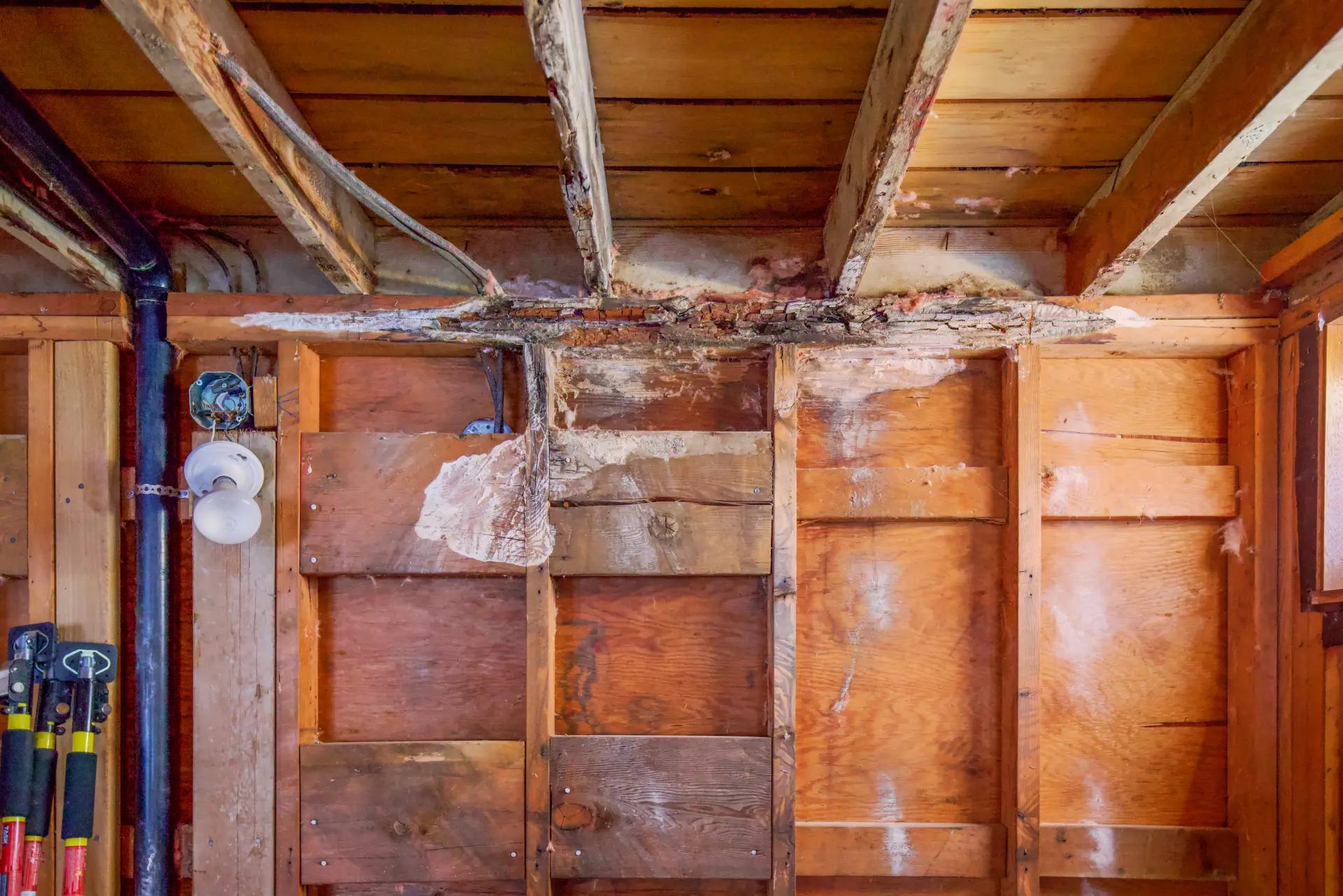
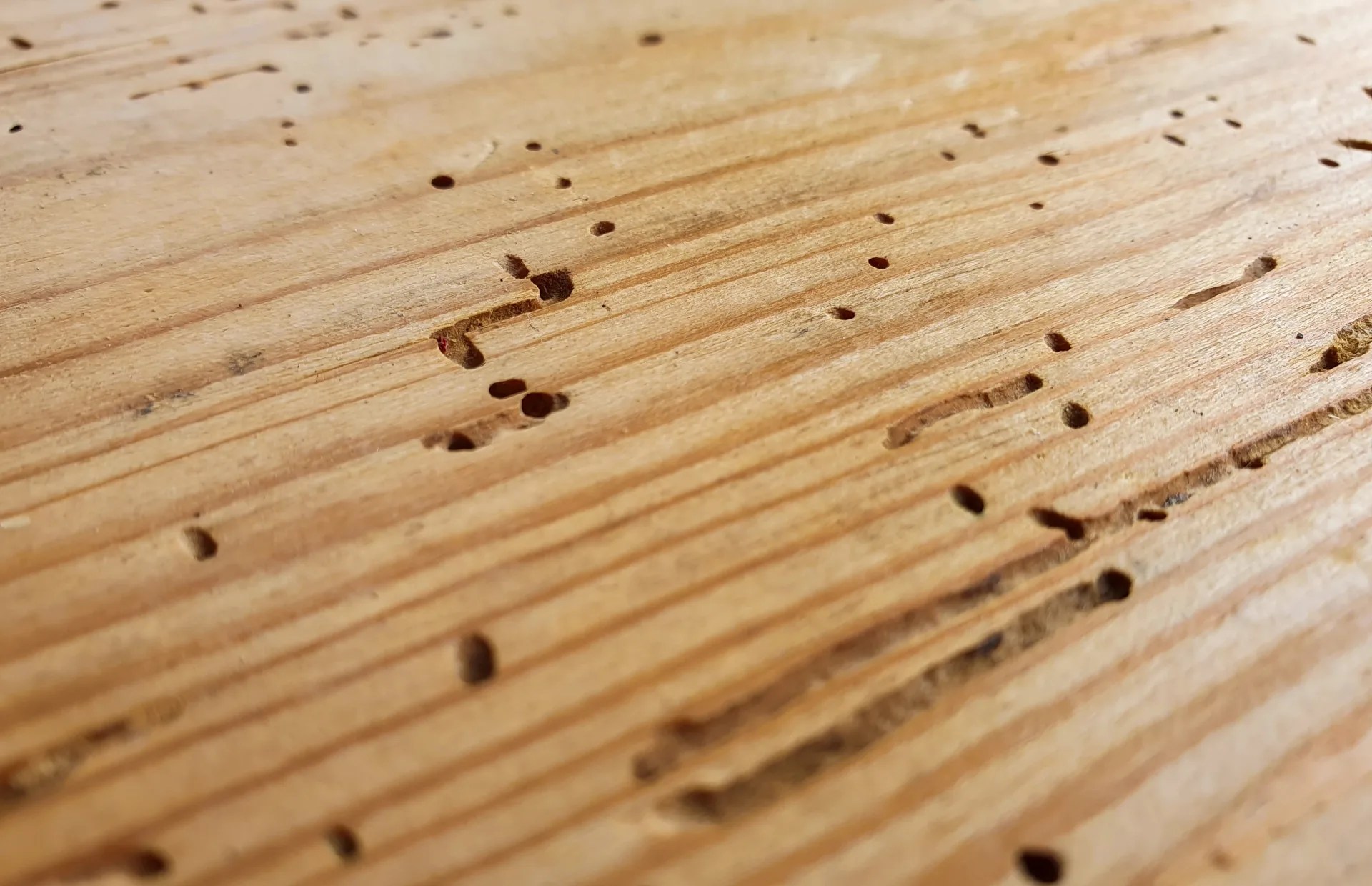
One of the most common sources of termite misdiagnosis in Toronto homes is confusion between eastern subterranean termite damage and carpenter ant damage. The distinction matters enormously because treatment approaches are completely different — and applying the wrong treatment wastes money while the actual infestation progresses. Termite workers consume wood along the grain, filling galleries with a mixture of soil, frass, and saliva to create the characteristic mud-packed interior appearance of termite-damaged wood. Mud shelter tubes — the pencil-width clay tubes termites construct to travel across exposed surfaces — are the single most reliable indicator of subterranean termite presence. Carpenter ants excavate wood against the grain, creating smooth-walled galleries that are kept clean — carpenter ant frass is coarse sawdust-like material ejected from gallery openings, not packed inside the wood. Examining the interior of damaged wood and checking for shelter tubes is what distinguishes termite damage from carpenter ant excavation. Wood rot, a third common misdiagnosis, produces soft, crumbling wood with visible fungal discolouration and no insect activity, no shelter tubes, and no frass.
During swarming season in Toronto — typically April through June — both termites and carpenter ants produce winged reproductive swarmers that can appear in large numbers inside homes near windows and light sources. Misidentification of swarmers leads directly to wrong treatment. Termite swarmers have equal-length wings (both pairs approximately equal), straight antennae with no bend, and a thick waist with no distinct narrowing between thorax and abdomen. Carpenter ant swarmers have two unequal wing pairs (front wings substantially longer than hind wings), distinctly elbowed antennae, and a sharply pinched waist characteristic of all ants. If you find swarmers inside your home in spring — particularly in the basement, near floor joists, or emerging from cracks in foundation walls or floor joints — collect a specimen and call Bugsway immediately. Swarming inside a structure is a strong indicator of an established colony in or under the building, not just a nearby outdoor colony. Early identification and professional inspection within days of a swarming event can prevent months of additional structural damage.
Frequently Asked Questions
Do termites exist in Toronto and the GTA?
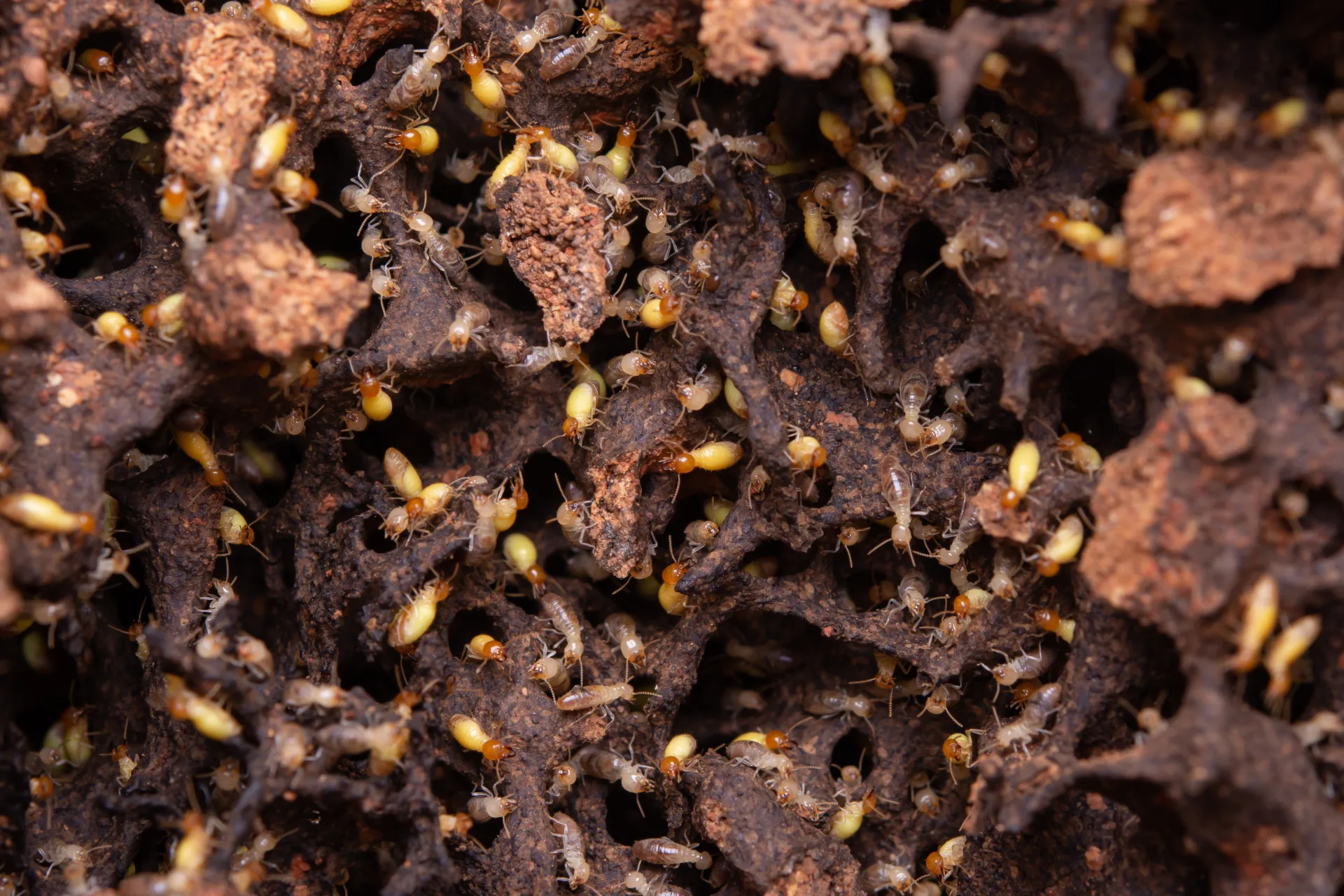
Yes. The eastern subterranean termite (Reticulitermes flavipes) is native to Ontario and found across Toronto and the GTA. It is the most economically destructive structural pest in North America. Toronto's older housing stock, mature tree canopy, and urban heat island conditions create highly conducive environments for termite activity. Bugsway has been treating termite infestations in Toronto since 2009.
What does a Bugsway termite inspection involve?
A Bugsway termite inspection is a systematic examination of accessible structural components — exterior foundation perimeter, basement and crawl space, garage, and accessible framing in utility areas. The technician looks for mud tubes, damaged or hollow-sounding wood, frass, swarmer wings, and conducive conditions. Results are documented in a written report with photographs provided on inspection day.
How do I know if I have termites versus carpenter ants or wood rot?
Termites leave mud tubes along foundation walls and produce wood-coloured frass pellets. Carpenter ants excavate smooth-walled galleries and leave coarse sawdust. Wood rot produces crumbling wood with no insect activity. Termite swarmers have equal-length wings, straight antennae, and a thick waist — versus ant swarmers with unequal wings, elbowed antennae, and a pinched waist. Professional inspection is the most reliable way to distinguish these causes.
When is the best time to get a termite inspection in Toronto?
Termite inspections can be performed year-round, but late spring through early summer coincides with swarming season (typically April through June) when activity is most visible. However, termites remain active in Toronto soil year-round given the urban heat island effect. If you suspect termite activity, do not wait for spring — book an inspection immediately.
What is included in the termite inspection report?
The report includes: description of all areas inspected; documentation of termite evidence (mud tubes, damage, swarmers, frass) with photographs; assessment of conducive conditions; findings summary with severity assessment; and treatment recommendations. Provided in writing on inspection day and accepted for real estate transactions and insurance documentation.
Is a termite inspection required for real estate transactions in Ontario?
Not legally required in Ontario, but strongly recommended — particularly for older homes (pre-1980), properties near ravines, and those with basements or crawl spaces. Many buyers request it as a condition of purchase. Bugsway provides reports accepted by buyers, sellers, lenders, and lawyers throughout the GTA.
How long does a termite inspection take?
A standard residential termite inspection typically takes 45 to 90 minutes depending on property size, complexity, and accessibility. The technician walks through all accessible areas systematically and completes documentation during the inspection. The written report is provided on the day of inspection in most cases.
What happens if termites are found during the inspection?
If termite activity is confirmed, the technician explains findings in detail and provides written treatment recommendations. Bugsway offers both liquid barrier treatment and bait system installation. Treatment can typically be scheduled within the same week as the inspection. You are under no obligation to proceed with treatment through Bugsway after receiving the report.
What a Professional Termite Inspection Covers
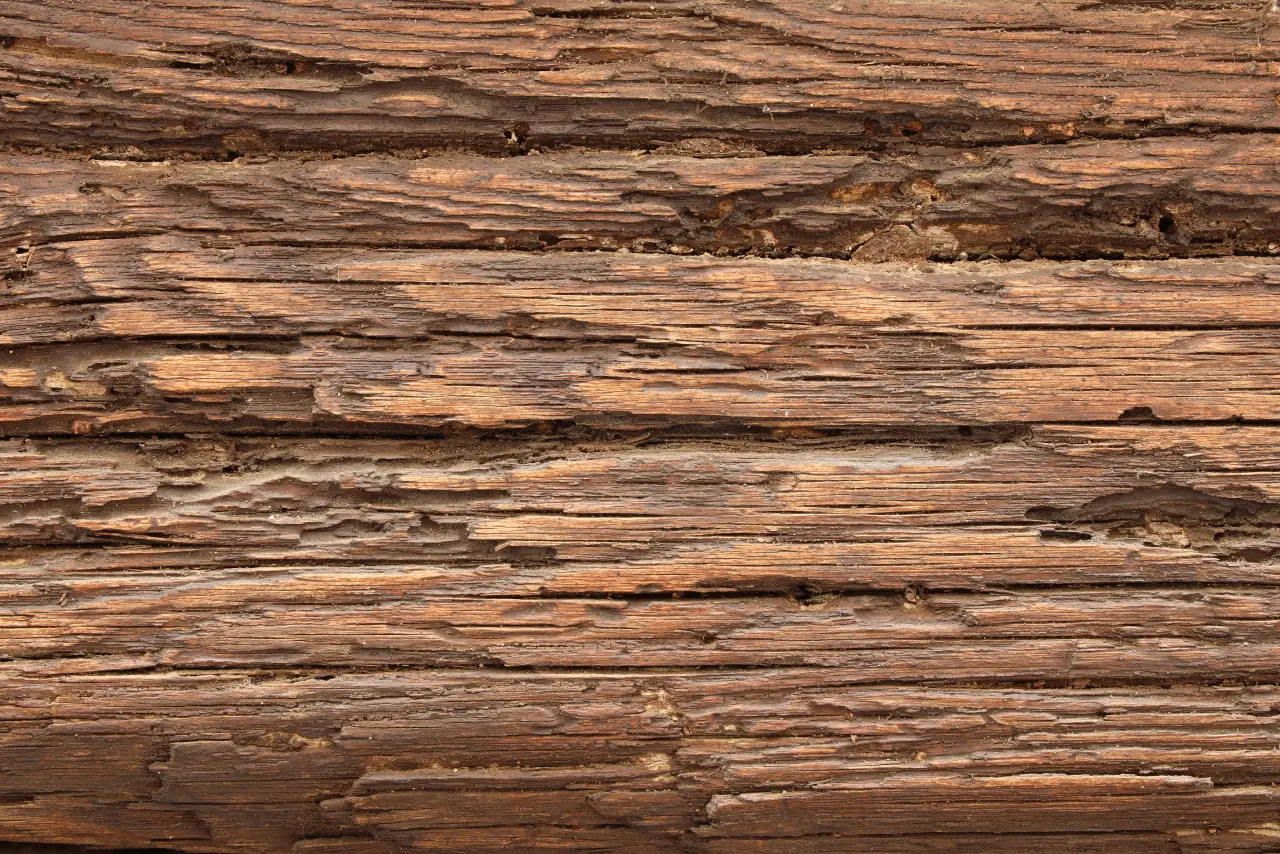
A professional termite inspection systematically examines all accessible structural components of a building for evidence of termite activity and conditions that increase termite risk. The inspection begins with the building exterior — foundation walls, grade-adjacent wood, deck ledger boards, landscape timbers, wood mulch against the foundation, and utility penetrations at grade. Inspectors look for mud tubes (pencil-thin soil tunnels running up foundation walls), termite exit holes in wood, frass deposits, and structural wood in direct soil contact. Areas of deferred maintenance — cracked caulk at wood-concrete interfaces, deteriorated siding at grade, rotted deck board ends — are documented as risk factors even if no active activity is found.
Interior inspection focuses on the basement and crawlspace — accessible framing, sill plates, floor joists, posts, and support beams. A screwdriver probe test of sill plates and lower framing members detects hollow, papery wood indicative of termite excavation. Moisture meters measure wood moisture content — elevated moisture at sill plates and lower framing indicates conditions where wood-destroying insects are more likely. The entire accessible perimeter of the basement is inspected for mud tubes running from the soil into the framing above. Inspection findings are documented with photographs, location descriptions, and severity ratings. The written report is typically provided the same day or within 24 hours.
Termite Inspection for Real Estate Transactions
Pre-purchase termite inspections are strongly recommended for any property in southern Ontario, particularly for homes built before 1980, homes with crawlspaces, and properties in areas with documented termite activity. While standard home inspections conducted by home inspectors address many structural issues, home inspectors are typically not licensed pest control professionals and may not conduct a systematic termite assessment. A separate termite inspection by a licensed pest control professional provides a specific expert opinion on termite activity and risk — distinct from the general structural assessment a home inspector provides.
The inspection report produced by Bugsway is signed by a licensed exterminator, documents all findings with photographs, and provides a written opinion on whether active, prior, or no evidence of termite activity was found. This report is suitable for inclusion in real estate disclosure documentation, real estate lawyer review, and mortgage lender requirements. If active termite activity or significant prior damage is found during a pre-purchase inspection, the report provides the basis for renegotiating the purchase price, requiring treatment as a condition of sale, or requesting a structural engineering assessment of the affected framing members.
Annual Termite Inspections: Why Prevention Beats Discovery
Annual professional termite inspections for properties in high-risk areas — properties with crawlspaces, homes adjacent to woodlands or ravines, buildings where termites have previously been treated — provide the earliest possible detection before damage accumulates. A single year's termite activity in a well-established colony can remove 300-500 grams of structural wood. Over a 5-year undetected infestation, damage to sill plates, floor joists, and lower framing can require $15,000-$50,000 in structural repairs. Annual inspection at $150-$250 per visit is negligible insurance against this outcome.
Annual inspection visits are also the appropriate mechanism for warranty maintenance after termite treatment. Bugsway's liquid treatment warranty requires an annual inspection to verify that the treated zone has not been disturbed and that no new activity has developed. Bait system monitoring programs automatically include quarterly inspections as part of the service. For properties without an active treatment, annual inspection provides documentation that creates a timeline — if activity is ever found, the inspection history establishes the approximate detection date and provides comparative data on whether the situation is new or long-standing.
Frequently Asked Questions
Questions? Call 416-555-5555
How long does a termite inspection take?
Does a standard home inspector check for termites?
What documents does the inspection produce?
Do inspectors move furniture or stored items during the inspection?
What happens if termites are found during the inspection?
Is a termite inspection required for a mortgage?
How much does a termite inspection cost?
Is it worth inspecting a newer home for termites?
Book Your Termite Inspection in Toronto Today
Contact Bugsway Pest Control for a free quote on certified termite inspection. Serving all of Toronto and the GTA — same-week appointments, written report included.
Or email us at [email protected]