Same-Day Emergency Service Available — GTA's #1 Rated Pest Control | 📞 416-555-5555

Expert Identification First — Then Treatment

Brown Recluse Spider
Treatment Toronto

Professional identification and treatment for brown recluse spider concerns in Toronto. Accurate species assessment, targeted treatment, and clear health guidance from licensed technicians.
Expert Species ID
Licensed Technicians
Written Report Provided
Same-Week Appointments
Understanding the Real Risk — and Why Accurate ID Is Essential

Brown Recluse Spiders and Toronto: The Facts

The brown recluse spider (Loxosceles reclusa) is North America's most medically significant spider species, responsible for more necrotic bite cases annually than any other spider on the continent. This reputation, combined with widespread online images and media coverage, has made 'brown recluse' one of the most common spider identification requests Bugsway receives from Toronto homeowners — often with considerable anxiety. The key fact for Toronto residents: brown recluse spiders are not native to Ontario. They are established only in the south-central United States — primarily in a band from eastern Texas through Kansas and eastward to Tennessee and Georgia. They do not survive Canadian winters outdoors and do not live in Toronto's natural environment. However, they are regularly transported to Ontario — and to Toronto specifically — as accidental stowaways in goods, furniture, luggage, shipping cartons, and vehicles from infested regions. When a Torontonian reports a brown recluse, the most statistically likely explanation is misidentification. Toronto is home to several harmless spider species that superficially resemble the brown recluse: wolf spiders (which are large and brown but have entirely different eye patterns and markings); male cellar spiders (which have long legs and small bodies similar to recluses); and various small hunting spiders with similar colouration. Without professional examination, accurate identification is very difficult. However, 'unlikely' is not 'impossible.' Confirmed brown recluse individuals are documented in Ontario annually, almost always associated with interstate transportation. If you have recently received furniture or goods from the southern US, traveled from brown recluse territory, or moved to Toronto from an infested region, the risk is meaningfully elevated. Bugsway treats every brown recluse concern seriously, conducts professional identification, and provides appropriate treatment if the assessment confirms the species. Our approach is evidence-based and honest: we will confirm or rule out the identification as accurately as possible, give you a clear explanation of our findings, and recommend treatment proportionate to the actual risk. We do not generate unnecessary treatment anxiety, and we do not understate a confirmed risk.
Professional brown recluse treatment service Toronto GTA
Accurate Assessment Before Any Treatment Decision

Why Professional Identification Is Non-Negotiable for Recluse Concerns
When it comes to brown recluse spider concerns, professional identification is not optional — it is the foundation of every subsequent decision. The consequences of misidentification flow in both directions: treating aggressively for a harmless native spider wastes money and creates unnecessary product exposure; failing to treat a confirmed recluse leaves a medically significant pest in an occupied dwelling. Brown recluse identification requires close physical examination. The diagnostic characteristics — the violin-shaped dorsal marking, the 6-eye arrangement in three dyads, the uniformly coloured legs — are not consistently visible in photographs, especially the eye arrangement, which requires magnification to confirm. Bugsway's technicians are trained in spider identification and have the tools and reference material to conduct accurate species determination on site. The treatment for a confirmed brown recluse is also different from general spider control. Brown recluse spiders are cryptic — they live deep in undisturbed clutter, inside cardboard box stacks, within clothing and shoe storage areas, inside the crevices of furniture, and in the concealed spaces of wall voids. General perimeter treatment is ineffective for addressing a confirmed recluse. The required approach is intensive interior treatment: thorough inspection of all harborage areas, extensive glue board monitoring (both to capture specimens and to assess population size), crack and crevice residual insecticide treatment of all identified harborage sites, and detailed guidance on harborage reduction. Harborage reduction is particularly critical for recluse management. Brown recluse populations are sustained by the clutter and undisturbed spaces that provide shelter. Reducing cardboard box stacks, storing clothing and shoes in sealed bags or plastic containers, and reducing the number of undisturbed surface areas in storage and basement spaces significantly reduces the carrying capacity of an infested area. All products used are registered with Health Canada (https://www.canada.ca/en/health-canada.html) for residential use. We provide full written documentation of the assessment and treatment for your records.
Brown Recluse Treatment treatment process by Bugsway certified technician
Expert identification, targeted treatment, and health-informed guidance

Brown Recluse Assessment & Treatment Services

Professional Species Identification

On-site examination of submitted specimens or suspected harborage areas for accurate species determination. Distinguishes brown recluse from native lookalike species using diagnostic morphological criteria.

Harborage Inspection

Thorough inspection of all potential brown recluse harborage areas: clothing and shoe storage, undisturbed clutter, cardboard box stacks, furniture against walls, basement crevices, and wall voids adjacent to storage areas.

Glue Board Monitoring Program

Extensive glue board placement in all storage and basement areas to capture individuals and assess population size. Critical for determining whether a transported individual is present or a reproducing population has established.

Targeted Interior Treatment

Crack and crevice residual insecticide applied to all confirmed harborage sites. Combined with glue trapping, this provides two-mode elimination of the recluse population. Not a perimeter spray — a precision interior treatment.

Harborage Reduction Guidance

Written, specific recommendations for reducing the clutter and undisturbed areas that sustain recluse populations. Includes clothing and shoe storage protocols, cardboard elimination advice, and furniture positioning guidance.

Written Assessment Report

Full written report documenting the species assessment (confirmed, ruled out, or indeterminate), harborage findings, treatment applied, and recommendations. Provides health-relevant documentation for your household records.

Concerned About a Spider in Your Toronto Home?

Don't rely on photos for a decision that matters. Call Bugsway for professional on-site identification and clear, honest guidance.

Evidence-Based. Honest. Proportionate to Actual Risk.

Our Brown Recluse Assessment & Treatment Process
Bugsway's brown recluse assessment process is designed to provide the most accurate possible determination and, where treatment is warranted, the most effective response for the specific situation. Step 1 — Initial Contact Assessment: When you call or book online, the technician will ask about the circumstances: have you recently received goods from the US? Have you returned from travel to the southern US? Have you purchased secondhand furniture? Do you have a preserved specimen? This pre-visit information helps the technician arrive prepared with appropriate identification tools and the correct treatment materials if needed. Step 2 — Specimen Identification: If you have preserved or trapped a specimen, the technician conducts on-site examination using magnification and reference material. Identification focuses on the three diagnostic criteria: eye arrangement (6 eyes in 3 dyads), violin-shaped cephalothorax marking, and uniformly coloured legs. The finding is documented in writing. Step 3 — Harborage Inspection: Regardless of whether a specimen is available, the technician inspects all potential harborage areas in the areas of concern. Brown recluse harborage characteristics include: undisturbed dark locations with low humidity access, cardboard box stacks, piles of clothing or shoes not regularly disturbed, the undersides and back surfaces of furniture stored against walls, and crevices in unfinished storage areas. Step 4 — Glue Board Deployment: Glue monitoring boards are placed at the perimeter of all storage and basement areas. These boards capture spiders that walk across them and allow population assessment at the 2-week follow-up visit. Step 5 — Treatment (if warranted): For confirmed or highly probable brown recluse situations, targeted crack and crevice residual insecticide treatment is applied to all identified harborage sites. Treatment is followed up at 2–3 weeks to assess glue board captures and reapply as needed. Step 6 — Written Report and Guidance: You receive a written assessment report and specific written guidance on harborage reduction measures.
Bugsway brown recluse treatment specialist at work

Brown Recluse Assessment Pricing

Pricing includes professional identification, inspection, and initial treatment if warranted. Quote confirmed before extended treatment begins.

Standard Assessment

Species identification, inspection, and initial treatment

$199 – $299
  • Professional species identification
  • Harborage inspection
  • Glue board monitoring deployment
  • Written assessment report
Call for Exact Quote
MOST POPULAR

Comprehensive Treatment

Confirmed or high-probability recluse, with follow-up

$349 – $499
  • Everything in Standard Assessment
  • Targeted crack & crevice treatment
  • 2–3 week follow-up visit
  • Harborage reduction report
  • 60-day treatment guarantee
Book Comprehensive Treatment

Pricing confirmed before any extended treatment begins. HST applicable.

Expertise, Honesty, and Evidence-Based Response

Why Choose Bugsway for Brown Recluse Concerns
Brown recluse spider concerns require a pest control company that combines accurate entomological knowledge with honest communication. Bugsway brings both. Our technicians are trained in spider identification — including the specific morphological criteria required to distinguish Loxosceles reclusa from the multiple harmless native species that are commonly misidentified as brown recluse in Ontario. We have the magnification tools and reference materials to conduct accurate on-site identification. We will tell you clearly whether what you have found is a brown recluse or a lookalike — we do not generate unnecessary treatment anxiety for homeowners who have encountered a harmless spider. If a brown recluse is confirmed, we respond with appropriate intensity. We have experience managing transported recluse situations and understand both the treatment requirements and the harborage reduction measures that are essential for lasting control. Our written assessment reports provide clear documentation of the species determination and the treatment approach, which can be relevant for physician consultations if a bite has occurred. We also understand the anxiety that comes with a brown recluse concern. Our technicians take the time to explain what they find, what the realistic risk level is based on the findings, and what the homeowner can do to reduce risk going forward. We don't dismiss concerns and we don't amplify them beyond what the evidence supports. Bugsway is fully licensed under Ontario's Pesticides Act and insured. All products are Health Canada-registered for residential use.
Why Choose Bugsway for Brown Recluse Concerns | Bugsway Spider Control

Concerned About a Possibly Dangerous Spider?

Don't guess. Professional species identification is the only reliable answer. Call Bugsway for a same-week assessment in Toronto and the GTA.

Frequently Asked Questions

Common questions about brown recluse spiders in Toronto

Are brown recluse spiders found in Toronto?
Brown recluse spiders are not native to Ontario. However, they are occasionally transported to Toronto in goods, furniture, luggage, and vehicles from the United States. Confirmed brown recluse in Toronto represents a transported individual. Most spiders identified by concerned homeowners as "brown recluse" in Toronto turn out to be harmless native species upon professional examination.
How do I identify a brown recluse spider?
Brown recluse spiders are small to medium (6–20 mm body length), uniformly tan to brown, with a violin-shaped marking on the cephalothorax. They have 6 eyes arranged in 3 pairs of 2 rather than the 8 eyes of most spiders, and uniformly coloured legs with no banding. However, accurate identification requires close professional examination — misidentification is very common.
Why is accurate brown recluse identification important?
Accurate identification is critical because: (1) the vast majority of "brown recluse" reports in Toronto involve harmless native species; (2) a confirmed brown recluse represents a transported individual unlikely to be an established colony; and (3) the treatment approach for a confirmed recluse differs from general spider control. Misidentification can cause unnecessary anxiety and inappropriate treatment.
What does a brown recluse bite look like?
Brown recluse venom can cause necrotic skin lesions in sensitive individuals, though most bites do not result in necrosis. Early symptoms include localized burning pain developing 2–8 hours after the bite, followed by a blister and redness. Severe reactions develop a "bull's-eye" pattern with a central necrotic area. Any suspected spider bite with developing skin symptoms should be evaluated by a physician.
What treatment does Bugsway use for a confirmed brown recluse?
For a confirmed brown recluse, Bugsway conducts: thorough inspection of all harborage areas; extensive glue board monitoring to assess population size; targeted crack and crevice residual insecticide treatment; vacuum collection of any spiders found; and written guidance on harborage reduction — clearing clutter, using plastic storage instead of cardboard, using protective footwear in storage areas.
How likely is it that I actually have a brown recluse in my Toronto home?
The probability is low but non-zero. Most spider reports that homeowners believe are brown recluse turn out to be wolf spiders, cellar spiders, or other native species. However, if you have recently received furniture or goods from the southern US, traveled from brown recluse territory, or moved to Toronto from an infested region, the risk is meaningfully higher. Professional assessment is the only reliable way to confirm.
What should I do if I find a spider I think might be a brown recluse?
Do not handle it. If possible, trap it under a clear container without killing it — intact specimens are most accurately identified. Take a close-up photograph if safely possible. Call Bugsway at 416-555-5555 for a professional assessment. Our technicians can provide expert identification and, if confirmed, implement an appropriate treatment program immediately.
Can brown recluse spiders establish colonies in Toronto?
Brown recluse cannot establish outdoor populations in Ontario's climate. However, they can survive in heated indoor environments and can, in rare cases, maintain small indoor populations in warm, undisturbed areas. Confirmed indoor populations in Toronto are exceedingly rare but warrant thorough professional treatment. The most likely scenario is a single transported individual rather than a reproducing colony.

Contact Bugsway Today

Professional spider assessment across Toronto and the GTA. Licensed, honest, evidence-based.

Also see our wolf spider removal and spider web removal services.

Accurate Risk Assessment

Brown Recluse Spiders in Canada: Setting the Record Straight

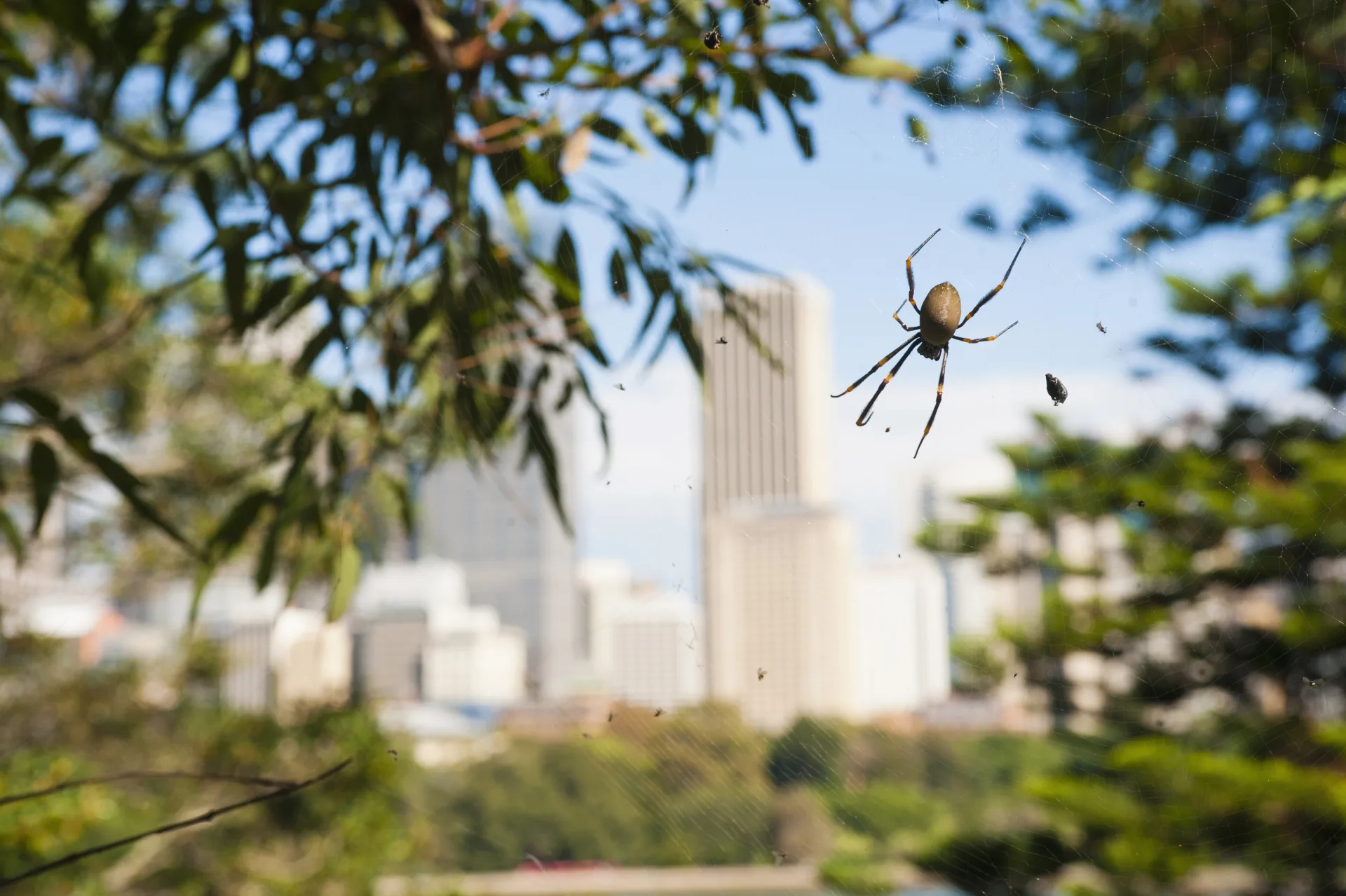
Brown recluse spiders (Loxosceles reclusa) are not native to Canada and are extremely rare in Ontario. Their natural range covers the central and south-central United States — they cannot survive Ontario winters outdoors. Confirmed brown recluse finds in Canada are almost exclusively introduced individuals found in shipping containers, imported goods, or belongings transported from the American Midwest. The vast majority of 'brown recluse' identifications by homeowners and even healthcare providers in Ontario are misidentifications of other large brown spiders — most commonly cellar spiders, large house spiders, or wolf spiders.

Despite this, legitimate brown recluse infestations do occur in Ontario in specific circumstances: imported goods from infested US regions, moves from US states in the brown recluse range, and commercial shipments. Confirmed infestations require professional treatment because the species is genuinely medically significant — their venom can cause necrotic skin lesions requiring medical treatment in sensitive individuals. If you believe you have a brown recluse, Bugsway will perform an inspection and, if a specimen is collected, have it identified by a licensed entomologist before treating. We will not recommend treatment for a misidentified species.
Brown Recluse Spiders in Canada: Setting the Record Straight | Bugsway Spider Control
Local Risk Profile

Medically Significant Spiders: Risk Context for Ontario Residents

Ontario has two spider species that can cause medically significant bites in rare circumstances: the black widow (Latrodectus variolus), whose range extends into southern Ontario and has been documented in some areas, and the yellow sac spider (Cheiracanthium spp.), a common indoor species whose bite can occasionally cause local tissue reactions. Black widow bites in Canada are rare — the spiders are typically found in isolated populations in warmest areas of southern Ontario. Their distinctive appearance (shiny black with red hourglass marking) makes them identifiable. Yellow sac spiders are common in Toronto homes (pale yellow, 6-10mm, found on walls and ceilings) and are responsible for most confirmed spider bites in Ontario dwellings.

For context, even genuinely venomous spider bites in Ontario are rarely medically serious in healthy adults. Black widow antivenom is available at major hospital emergency departments but is rarely required in Ontario bite cases. Yellow sac spider bites produce a sharp burning sensation and local redness/swelling that typically resolves within 24 hours. Anaphylactic reactions to spider venom are extremely rare compared to bee and wasp stings. If you are concerned about a spider bite, seek medical assessment — but understand that most 'spider bites' turn out to be bites from other arthropods or skin infections.
Medically Significant Spiders: Risk Context for Ontario Resi | Bugsway Spider Control
Professional Protocol

How We Treat Suspected Brown Recluse Infestations

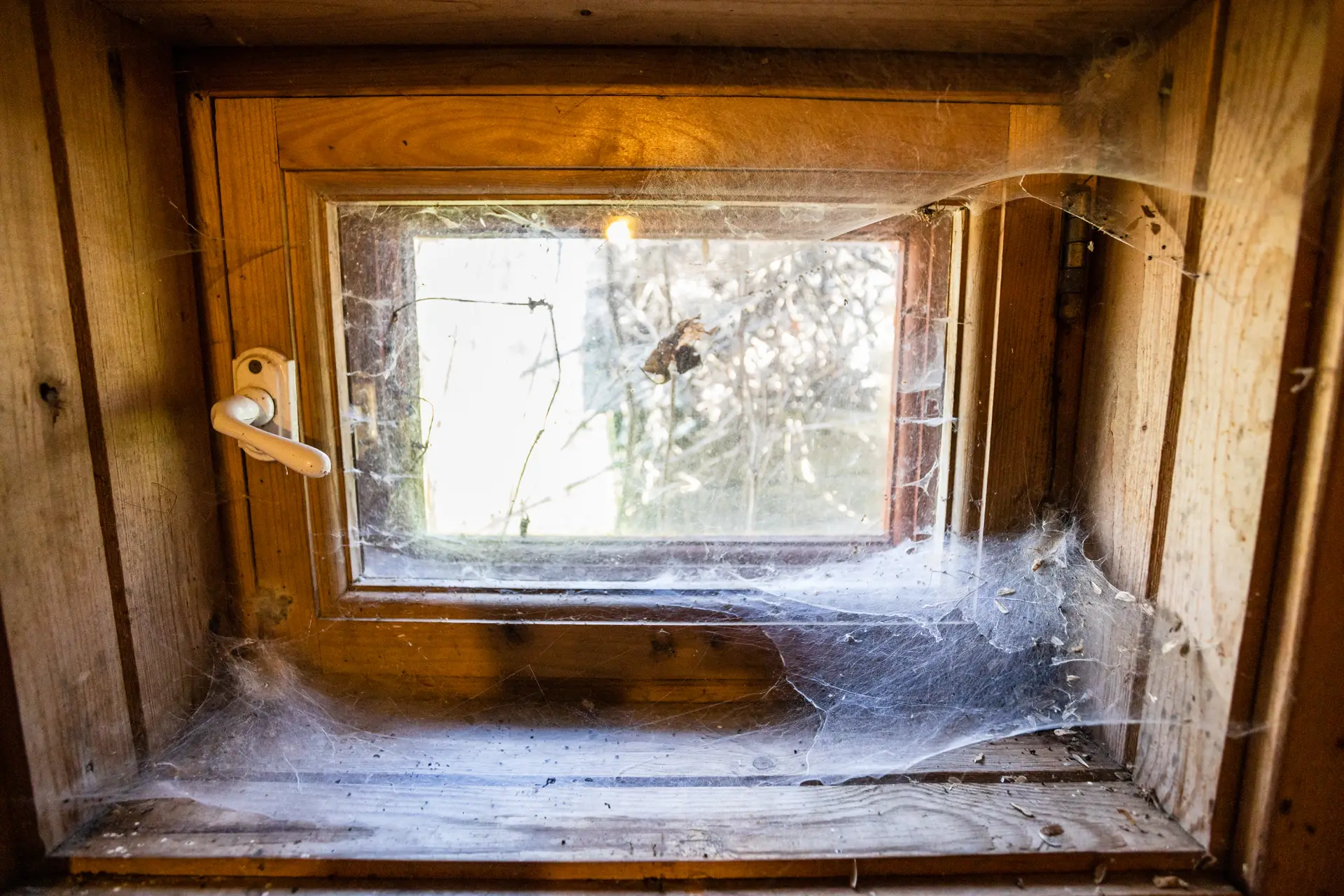
Suspected brown recluse infestations require thorough inspection before treatment begins. Brown recluse spiders are secretive and prefer dark, undisturbed locations — behind baseboards, inside cardboard boxes and stored materials, in dark closet corners, behind electrical outlets, and in furniture brought from their native range. Treatment combines sticky glue traps placed in areas of suspected activity (providing both monitoring data and population reduction) with targeted application of residual insecticide in confirmed harborage areas. Glue traps are checked weekly to assess activity and guide treatment focus.

For confirmed brown recluse infestations (specimens collected and identified), comprehensive treatment covers all hiding areas in affected rooms and adjacent spaces. De-cluttering and removing cardboard boxes, paper stacks, and stored materials from infested areas is critical — these materials provide harborage that treatment products cannot effectively penetrate. Ongoing monitoring with sticky traps at strategic locations after treatment allows confirmation of elimination. Bugsway works with clients on post-treatment harborage reduction — storing items in sealed plastic containers rather than cardboard, maintaining clear floor areas along wall edges, and sealing gaps behind electrical outlets and baseboards to prevent re-establishment.
How We Treat Suspected Brown Recluse Infestations | Bugsway Spider Control

Frequently Asked Questions

Questions? Call 416-555-5555

How do I identify a brown recluse spider?
Brown recluse spiders are small to medium sized (6-20mm body length), uniformly tan to brown in colour, and have a distinctive violin-shaped marking on the cephalothorax. Unlike most spiders, they have only six eyes arranged in three pairs. Their legs are uniform in colour with no banding. However, accurate identification is extremely difficult without magnification and professional training. Most spiders identified as brown recluse in Ontario by homeowners turn out to be cellar spiders, wolf spiders, or large house spiders upon professional examination. Call Bugsway for a proper identification.
Are spiders in Ontario actually dangerous?
The vast majority of spiders in Ontario are harmless to humans. Two species deserve attention: the northern black widow (found in isolated populations in extreme southern Ontario) and the yellow sac spider (common in Toronto homes, capable of causing local tissue reactions). Brown recluse spiders are not established in Ontario — any confirmed find would be an introduced individual. For most Ontario homeowners, spiders in the home represent a nuisance rather than a medical concern.
What does a brown recluse bite look like?
Brown recluse bites may initially be painless or cause mild stinging. Over 2-8 hours, a small red lesion with a pale centre may develop. In the minority of cases involving significant envenomation, a necrotic (tissue-dying) ulcer can develop over days to weeks, beginning as a darkening blister and progressing to an open wound. Most brown recluse bites resolve without necrosis. If you suspect a spider bite and develop an expanding wound or systemic symptoms (fever, chills, nausea), seek medical care promptly.
How do I tell necrosis from a normal skin reaction?
A normal skin reaction to an insect bite or spider bite produces local redness, swelling, and itching that peaks within 24-48 hours and resolves. Necrosis involves tissue darkening (a bluish or blackish discolouration), a well-defined border between healthy and damaged skin, the development of a blister or open wound, and expanding size over days rather than resolving. Necrotic wounds require medical assessment — do not attempt to self-treat. Importantly, many reported "necrotic spider bites" in Ontario turn out to be MRSA skin infections, which require antibiotic treatment.
Where do brown recluse spiders hide?
Brown recluse spiders are reclusive by name and nature — they prefer dark, dry, undisturbed locations. Common hiding places include: inside and behind cardboard boxes, in stacked paper, inside shoes and boots not frequently used, in clothing stored in closets, behind baseboards and door frames, inside wall voids accessed through electrical outlets, in dark corners of closets, and in furniture (especially upholstered items) transported from the US Midwest. In their native range they are also found in outdoor wood piles and under rocks, but in Ontario any finds would be in indoor environments only.
Can brown recluse spiders survive a Canadian winter?
Brown recluse spiders cannot survive outdoors in Ontario's climate — they have no cold-hardening adaptations for Canadian winters. However, inside a heated building, transported brown recluse individuals can survive and potentially reproduce. A confirmed indoor infestation in a heated home is a viable concern that requires treatment. This is why confirmed brown recluse finds in Ontario are almost always associated with recently imported goods, furniture, or belongings from the American Midwest — the spiders survive because they are inside heated structures.
What should I do if I think I have been bitten by a brown recluse?
If you believe you have been bitten by a brown recluse spider, seek medical assessment. If you can capture the spider safely (without being bitten again), bring it to the emergency department for identification — this helps physicians assess risk accurately. Clean the bite site gently, apply a cold compress, and avoid squeezing or applying heat. Monitor the wound over the following days for signs of necrosis. Note that most spider bites in Ontario, including suspected brown recluse bites, resolve without serious complications — but professional medical evaluation is always appropriate when there is concern.
Should I call an exterminator or a doctor first if I find a brown recluse?
If a bite has occurred, a doctor is the first call — pest control can wait. Medical assessment of any potential bite takes priority over extermination scheduling. If you have found a spider that you believe to be a brown recluse but have not been bitten, call Bugsway first to confirm identification — this prevents unnecessary anxiety if the spider is a harmless lookalike, and ensures appropriate treatment is arranged if the identification is confirmed. You do not need to be bitten to take action; finding a confirmed brown recluse in your home is sufficient reason to arrange professional treatment.