Same-Day Emergency Service Available — GTA's #1 Rated Pest Control | 📞 416-555-5555

Interior & Exterior — Full Property Web Clearing

Spider Web Removal
Toronto & GTA

Professional spider web clearing for Toronto homes and businesses. Physical removal plus residual treatment to slow regrowth. Interior and exterior coverage. Same-day service available.
Interior & Exterior
Residual Treatment Included
Same-Day Available
Toronto & GTA
Addressing the Spider Population Behind the Webs

Spider Web Removal in Toronto: More Than Just Cleaning
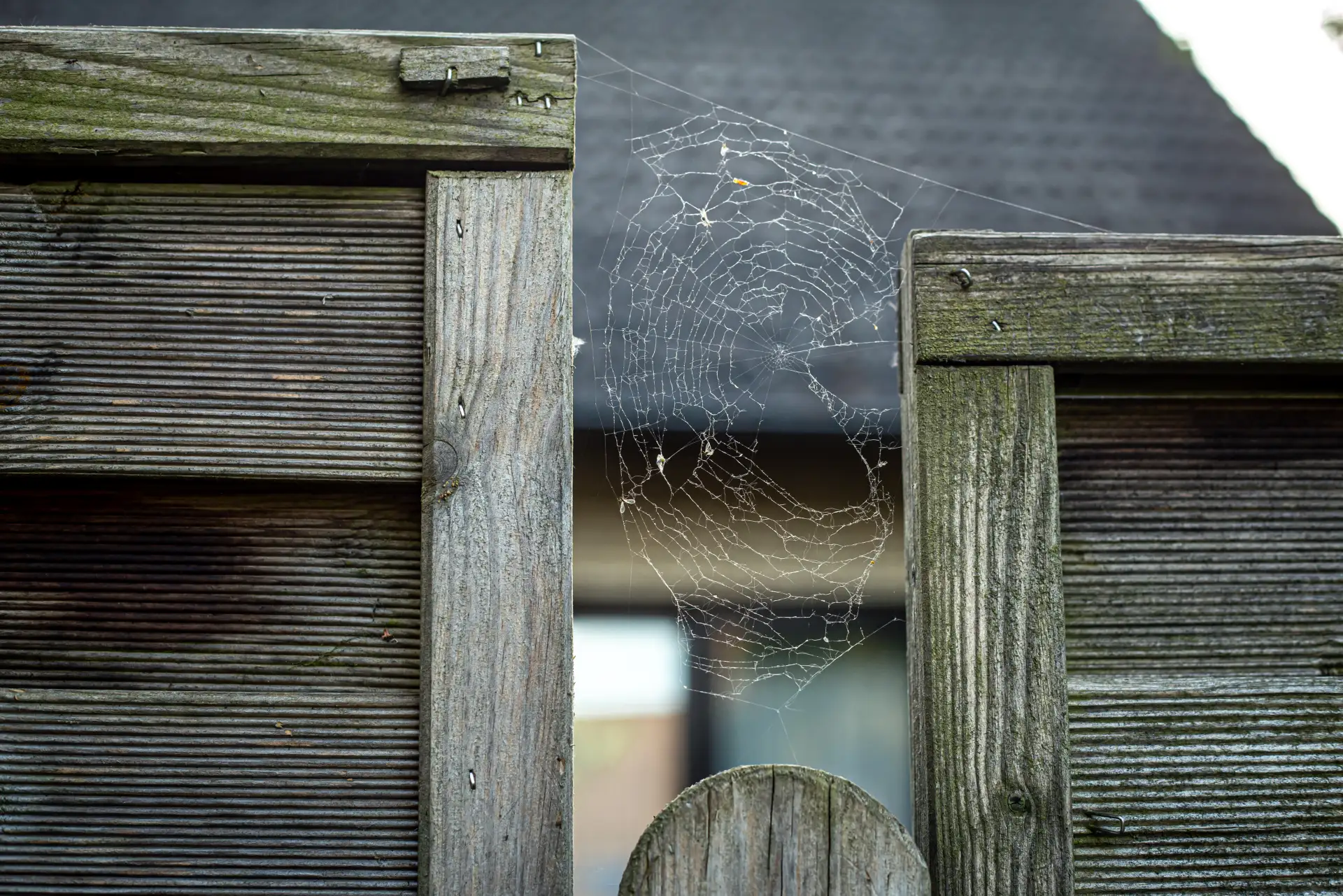
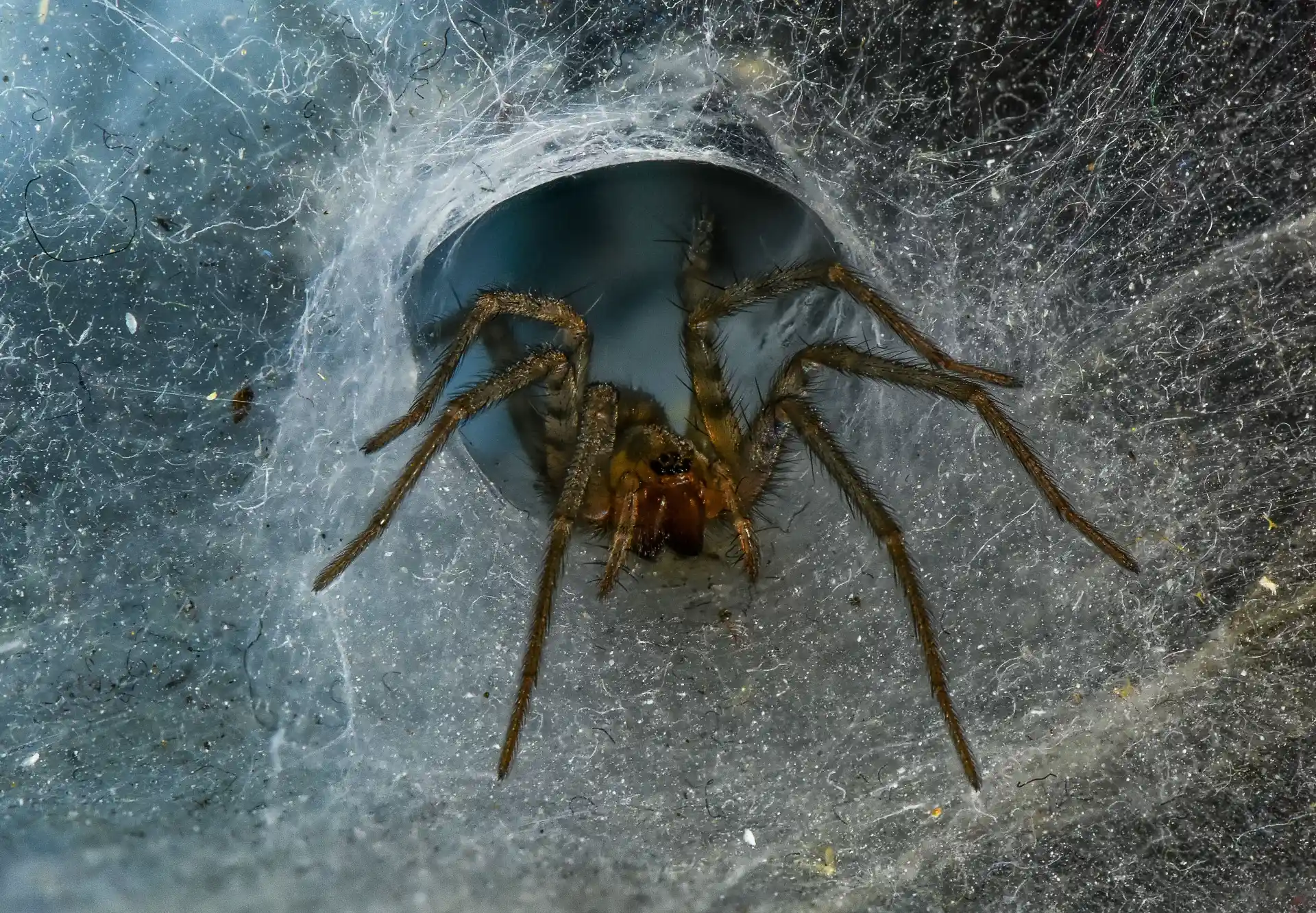
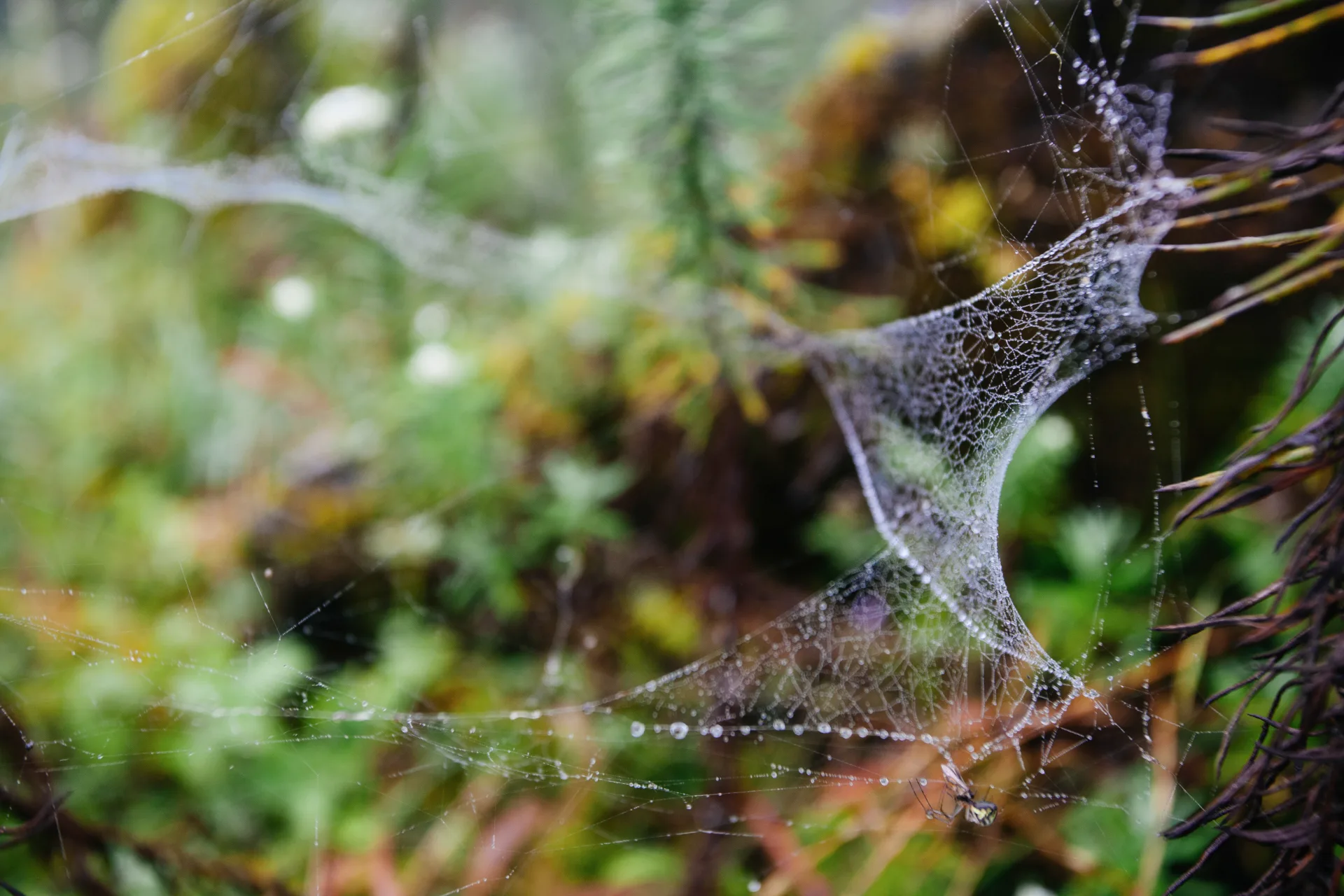
Spider webs are a persistent aesthetic problem for Toronto homeowners, appearing on eaves, porch ceilings, window frames, and in basement corners within days of cleaning. For many properties, manually clearing webs provides only temporary relief — new webs appear within a week because the spiders responsible for them are still present and the conditions that drew them to those locations have not changed. Bugsway's spider web removal service takes a two-stage approach: physical clearing of all existing webs, followed by residual insecticide treatment of web-building surfaces. This combination slows web re-establishment significantly by reducing the prey insect availability that makes those locations productive web-building sites, and by creating a chemical barrier that kills spiders attempting to rebuild on treated surfaces. Toronto's most common web-building spiders include: house spiders (Parasteatoda tepidariorum), which build irregular cobwebs in corners, basements, window frames, and behind furniture; European garden spiders (Araneus diadematus), orb-web builders that establish large, intricate webs on eaves, in gardens, and around exterior light fixtures; cellar spiders (Pholcus phalangioides), the daddy longlegs common in basements and utility areas; and various funnel web spider species that build flat sheet webs in groundcover adjacent to the foundation. These species are all essentially harmless to humans — their bites are medically insignificant and they are not aggressive. But their webs create an unmistakable impression of neglect on home exteriors and accumulate dust, insect debris, and moisture over time. For commercial properties — storefronts, restaurants, office buildings — heavy exterior webbing is a significant customer-facing problem that can affect how a business is perceived before a customer even enters. Bugsway provides web removal service for residential properties throughout Toronto and the GTA, as well as commercial properties where external appearance is business-critical. We use extension equipment for accessible high-level webs and provide comprehensive coverage across all web-building zones.
Professional spider web removal service Toronto GTA
The Residual Treatment Difference

Why Professional Web Removal Outlasts DIY Cleaning
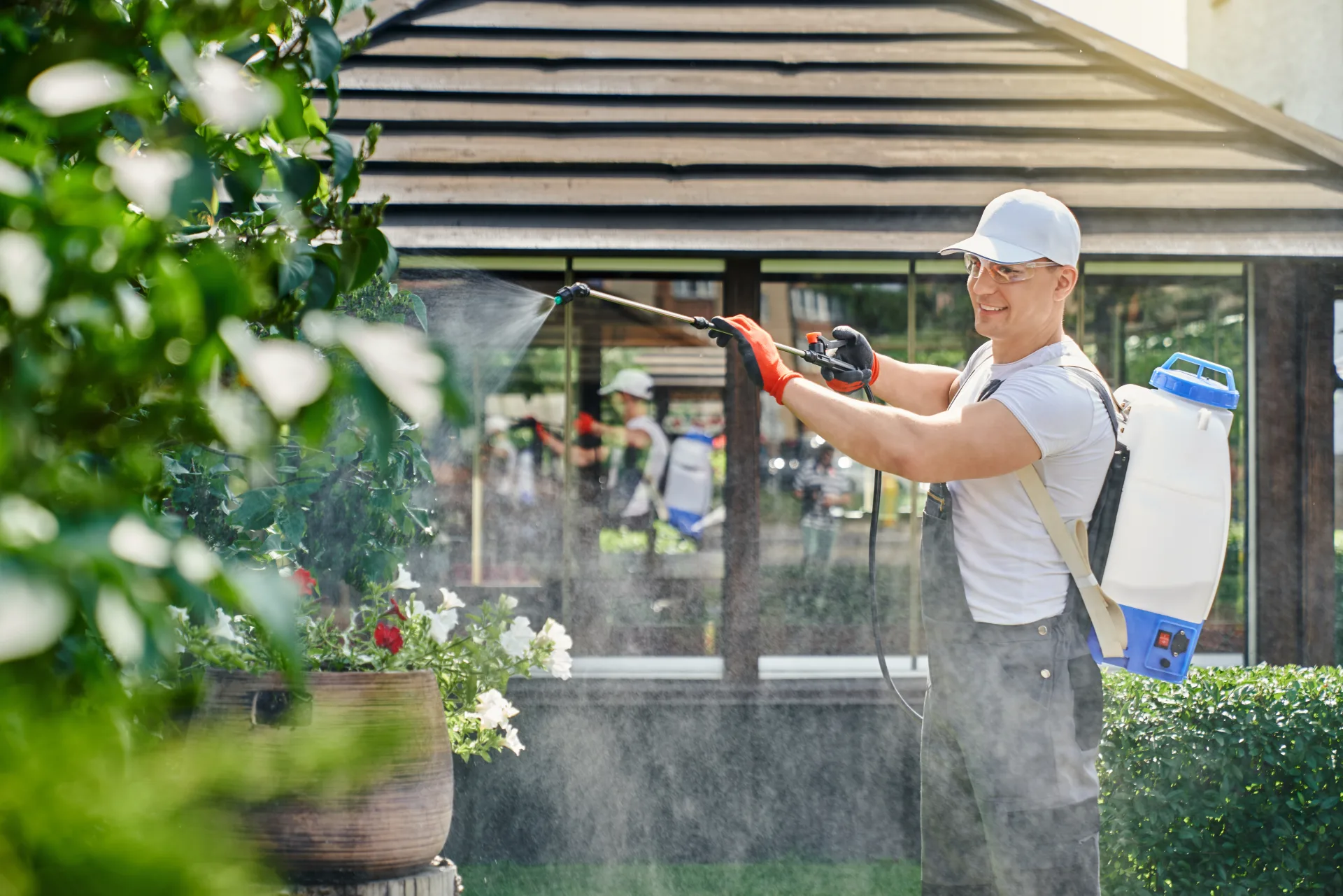
Most homeowners attempt spider web removal with a broom or vacuum — and are frustrated when new webs appear within days. Professional web removal produces longer-lasting results because it addresses the biology behind web-building, not just the physical webs. The key difference is residual insecticide treatment. After physical clearing, Bugsway applies professional-grade residual insecticide to all web-building surfaces. This serves two functions: it kills prey insects that land on or near treated surfaces, reducing the food availability that makes those locations attractive web-building sites; and it kills spiders that contact treated surfaces when attempting to rebuild their webs. Professional application equipment also reaches areas that typical household cleaning tools cannot. Eave undersides, the inside faces of roof overhangs, the corners where exterior trim meets siding, and the upper areas of high ceilings require extension equipment and professional tools for complete web removal. Incomplete web clearing — leaving partial web structures — actually encourages faster re-establishment, as spiders use existing silk structures as anchor points for new webs. The physical web clearing process itself, when done properly, also removes spider egg sacs that may be attached within the web structure. Egg sacs can contain dozens to hundreds of spiderlings. Removing them during web clearing prevents the next generation from establishing in the same location. Consumer broom-and-vacuum approaches often dislodge eggs sacs without capturing them, releasing spiderlings into the immediate area. For commercial properties, Health Canada (https://www.canada.ca/en/health-canada.html) registration of the products used, combined with professional application records, provides documentation that a diligent pest management program is in place — relevant for food premises, hospitality properties, and commercial tenancies with pest-free occupancy requirements.
Spider Web Removal treatment process by Bugsway certified technician
Complete web clearing inside and outside your Toronto property

Spider Web Removal Services

Exterior Web Clearing

Complete removal of all accessible exterior spider webs: eaves, overhangs, window frames, porch ceilings, garage frames, light fixture surrounds, and foundation vents. Extension equipment for high-level access.

Interior Web Clearing

Removal of all interior spider webs: basement and utility room corners, ceiling corners throughout the home, behind furniture, around windows, and in storage areas. Egg sac removal included.

Residual Surface Treatment

Professional residual insecticide applied to all cleared web-building surfaces after physical removal. Slows regrowth by killing prey insects and spiders that contact treated surfaces. 60–90 day residual activity.

Egg Sac Removal

Identification and safe removal of spider egg sacs within existing web structures and in concealed harborage locations. Prevents next-generation spider populations from establishing in the same locations.

Commercial Property Service

Exterior web removal for storefronts, restaurants, office buildings, and commercial properties. Scheduled around business hours. Documentation available for pest management compliance records.

Seasonal Web Management Plans

Semi-annual or quarterly web removal with residual treatment. Keeps your property web-free through the peak spider activity season (May through October). Preferred pricing for plan members.

Tired of Clearing the Same Webs Every Week?

Professional web removal with residual treatment keeps webs at bay far longer than cleaning alone. Book your service today.

Physical Clearing + Residual Treatment = Lasting Results

Our Spider Web Removal Process

Bugsway's web removal service is designed to deliver results that last significantly longer than standard cleaning. Here is exactly what the service involves. Step 1 — Property Assessment: The technician conducts a full walk-around of the property's exterior and inspects interior areas where web activity has been reported. We document all active web locations, identify the spider species responsible where possible, note any egg sacs present, and assess the prey insect populations in the primary web-building zones. Step 2 — Physical Web Clearing: All accessible webs are physically cleared using professional extension brushes and vacuums. Exterior eaves, overhangs, window frames, porch areas, garage frames, and exterior light surrounds are cleared completely. For interior areas, ceiling corners, basement walls, window frames, and behind furniture are cleared. Egg sacs are removed as part of the clearing process. We do not use pressure washers on exterior surfaces, as this can damage paint, caulking, and exterior finishes. Step 3 — Residual Treatment Application: Immediately after physical clearing, residual insecticide is applied to all cleared surfaces using professional spray equipment. The product adheres to the surface and provides 60–90 days of residual activity, killing insects and spiders that contact treated surfaces. Exterior foundation areas and window frames receive particular attention as primary re-entry zones. Step 4 — Spider Identification and Reporting: Where spider species are identified during the service, the technician notes whether any medically significant species are present (particularly relevant for brown recluse identification, as this species is occasionally transported to Ontario in goods from the southern United States). You receive a brief verbal summary of findings and written service confirmation. Step 5 — Recommendations: The technician advises on exterior lighting adjustments (switching to sodium vapour or LED lights that attract fewer flying insects), vegetation management adjacent to the foundation, and structural sealing opportunities that would reduce spider entry and web-building zones.
Bugsway spider web removal specialist at work

Spider Web Removal Pricing

Transparent pricing based on property size and web coverage. Quote confirmed before work begins.

Standard

Single treatment, residential property

$149 – $249
  • Exterior web clearing
  • Interior web clearing (on request)
  • Residual surface treatment
  • Egg sac removal
Call for Exact Quote
MOST POPULAR

Comprehensive

Seasonal plan with full interior & exterior coverage

$249 – $399
  • Everything in Standard
  • Full interior web clearing included
  • 2 seasonal visits (spring + late summer)
  • Perimeter spider control included
  • Exclusion recommendations
Book Seasonal Plan

Commercial property pricing varies by building size and web coverage. HST applicable on all services.

Professional Equipment, Expert Treatment, Lasting Results

Why Bugsway for Spider Web Removal in Toronto
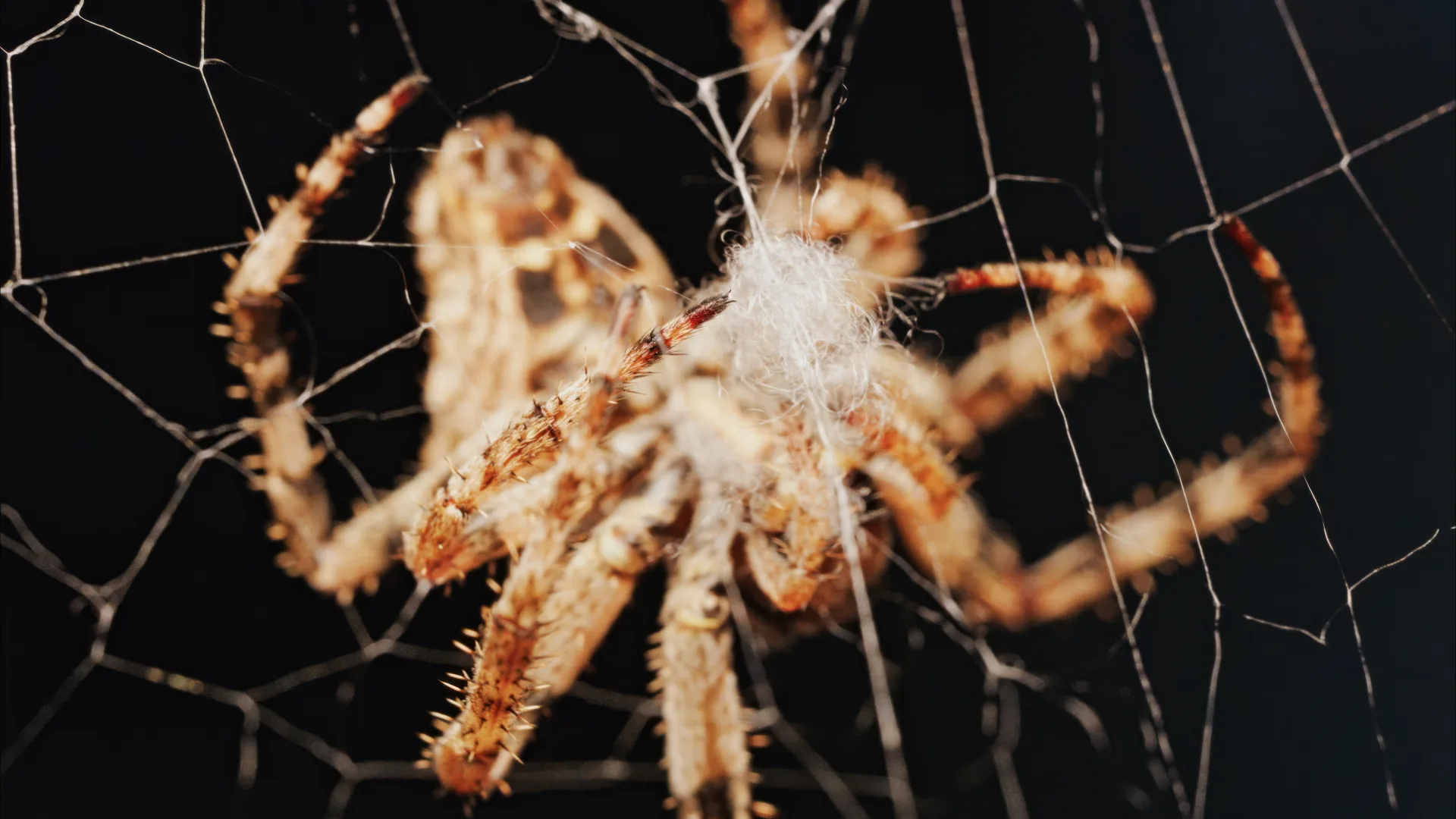
Bugsway has been providing spider control services across Toronto since 2009. Our web removal service is delivered by technicians who understand spider biology and know exactly where to look for active webs, egg sacs, and spider harborage areas on Toronto's diverse housing stock. We use professional extension equipment that reaches eave underside areas, high-ceiling interior corners, and the spaces between architectural features that standard consumer tools cannot access. Complete web removal — including difficult-to-reach areas — is critical for maximizing the duration of results. Our residual treatment products are selected specifically for adhesion to the exterior surfaces common on Toronto homes: brick, painted wood trim, stucco, and concrete. Products that adhere well to these surfaces provide longer residual protection than those formulated for smooth interior surfaces only. For commercial properties where spider webs affect customer-facing appearance — storefronts, restaurant patios, office building entrances — we offer scheduled quarterly or semi-annual service with maintenance between scheduled visits. We understand that for a business, spider webs on the storefront or above the entrance are a first impression issue, and we treat it with corresponding priority. Bugsway is fully licensed and insured for all residential and commercial pest control work in Ontario. All products are applied in compliance with Ontario's Pesticides Act and Health Canada labelling requirements.
Why Bugsway for Spider Web Removal in Toronto | Bugsway Spider Control

Clear Webs. Treat Surfaces. Stay Spider-Free.

Book your Toronto spider web removal service today. Same-week appointments available throughout the GTA.

Frequently Asked Questions

Common questions about spider web removal in Toronto

Why do spiders keep building webs in the same locations?
Spiders build webs where prey is reliably available. Eaves, window frames, porch lights, and exterior corners attract flying insects — moths, flies, mosquitoes — making them ideal web sites. As long as prey is available, new spiders will re-establish webs in productive locations. Effective web management requires both physical removal and residual treatment to discourage rapid re-establishment.
What spiders build webs in Toronto homes?
The most common web-building spiders in Toronto are: house spiders (Parasteatoda tepidariorum) in corners and basements; European garden spiders (Araneus diadematus) orb-weavers on eaves; long-bodied cellar spiders (Pholcus phalangioides) in basements; and funnel web spiders in groundcover adjacent to foundations.
Does professional web removal include treatment to prevent regrowth?
Yes. Bugsway's web removal service combines physical clearing with residual insecticide application to all treated surfaces. The residual treatment kills prey insects and spiders that attempt to re-establish webs on treated surfaces, significantly slowing regrowth compared to physical removal alone.
What areas does Bugsway cover for exterior web removal?
Exterior web removal covers: all accessible eaves and overhangs; exterior window frames and sills; porch and deck underside areas; garage door frames and surrounds; exterior light fixture surrounds; foundation vents; and any other accessible exterior surfaces with visible webbing.
How often should web removal service be done?
For properties with active spider pressure, semi-annual web removal with perimeter treatment (spring and late summer/early autumn) provides the best results. Commercial properties may benefit from quarterly service. Individual seasonal treatments are effective for homeowners who notice web buildup primarily during summer and autumn months.
Can spider webs damage my home?
Spider webs do not cause structural damage, but heavy cobweb accumulation on exterior surfaces can trap moisture against painted or stained wood, accelerating finish degradation. More importantly, abundant exterior webbing often indicates significant pest insect activity in the immediate area — a finding worth investigating.
Is spider web removal safe around children and pets?
Yes. Exterior web removal and residual treatment is conducted on external surfaces. We advise keeping children and pets away from treated exterior surfaces until the product has fully dried — typically 30–60 minutes. Interior treatments use targeted application in areas not accessible to children and pets. All products are Health Canada-registered for residential use.
Does web removal also address the spiders themselves?
Yes. Physical web clearing dislodges and removes spiders present in existing webs. The residual insecticide applied after clearing kills spiders that attempt to return and re-establish webs on treated surfaces. Combined with prey insect reduction, this addresses both the web-building spiders and the conditions that draw them to your property.

Contact Bugsway Today

Spider web removal across Toronto and the GTA. Licensed, insured, guaranteed.

Also see our wolf spider removal and brown recluse treatment services.

Pest Control Significance

Why Spider Web Removal Is More Than Just Cleaning

Spider web removal is a meaningful pest control intervention, not just cosmetic cleaning. Abandoned webs contain egg sacs — a single spider egg sac may contain 50-200 eggs depending on species. Removing egg sacs before they hatch eliminates a significant portion of the next generation of spiders from your property. Actively maintained webs on exterior eaves, window frames, and light fixtures indicate currently resident spiders that will continue to produce egg sacs if left undisturbed. Regular web removal as part of a pest control program depletes both the existing population and its reproductive output simultaneously.

Web location data also provides diagnostic information — where webs are densest indicates where spider populations are highest, where insect prey is most abundant, and where structural conditions best support spider habitation. Concentrated webbing under deck boards indicates moisture and wood-boring insect activity; heavy webbing in basement joists suggests high humidity and abundant crawling insects. Bugsway documents web locations during treatment and uses this data to direct chemical treatment and identify structural conditions supporting spider populations. The combination of web removal + chemical treatment + structural recommendation produces better long-term results than chemical treatment alone.
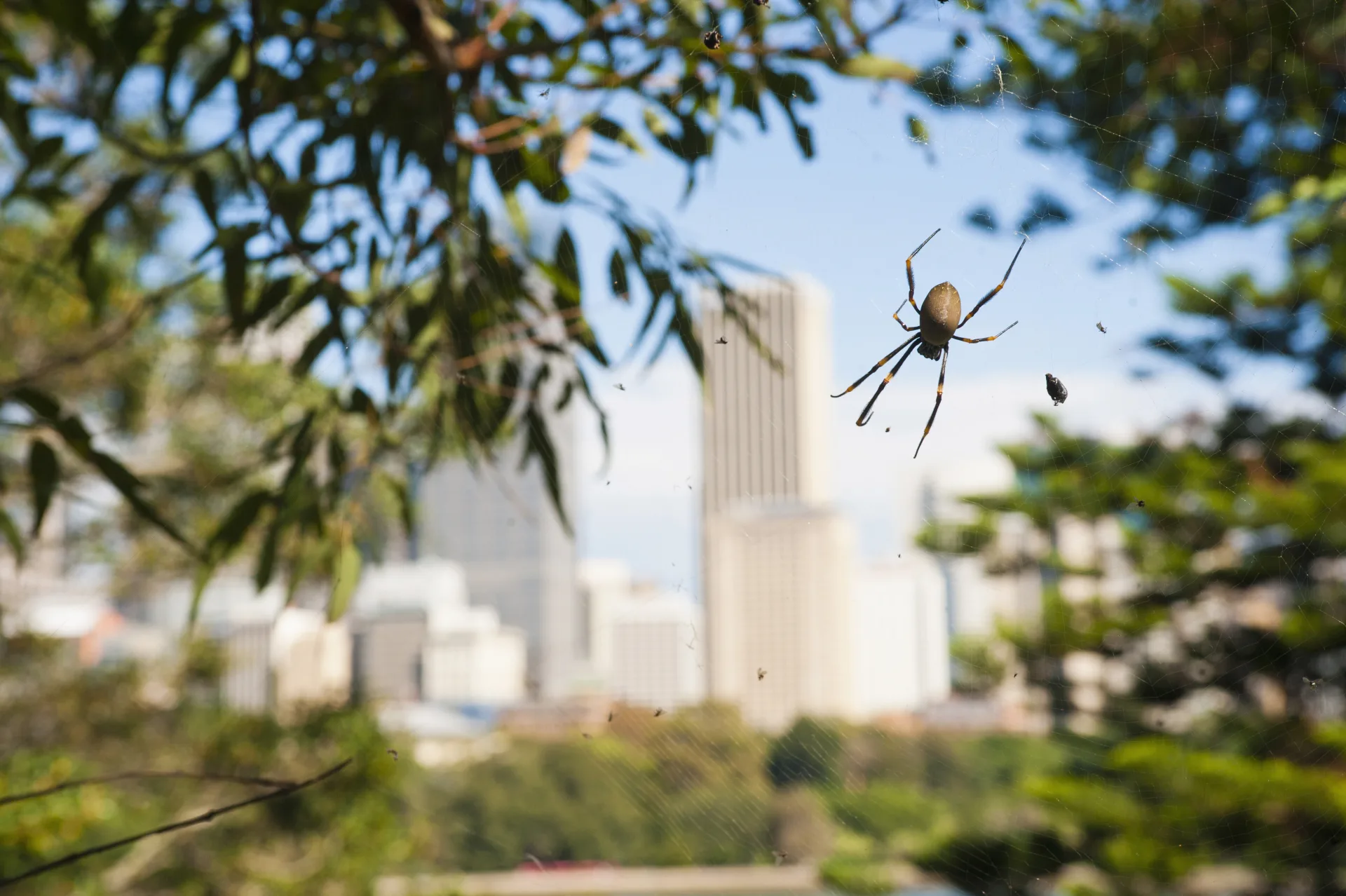
Why Spider Web Removal Is More Than Just Cleaning | Bugsway Spider Control
Commercial Applications

Web Removal Service for Commercial and Institutional Properties

Commercial properties — warehouses, factories, food processing facilities, retail stores — face specific spider web challenges related to occupational health, food safety, and customer perception. Webbing on products, racking systems, and equipment in warehouses and manufacturing facilities creates product contamination risk and is noted as a sanitation deficiency in CFIA and SQF/BRC food safety audits. Regular web removal (typically monthly in food-handling facilities) is a documented component of pest management programs that satisfies audit requirements for harborage reduction.

For retail environments and public-facing commercial buildings, spider webs on storefront overhangs, interior display fixtures, and high ceilings create negative customer impressions. Spider webs in active retail areas can also create guest liability (walking into a web) and health concerns (particularly in healthcare settings where cleanliness standards are highest). Bugsway's commercial web removal service uses professional-grade extension poles and vacuums reaching heights of 6-12 metres, combined with residual treatment to deter re-webbing. Service frequency is determined by the facility's spider pressure, ceiling height, and audit requirements.
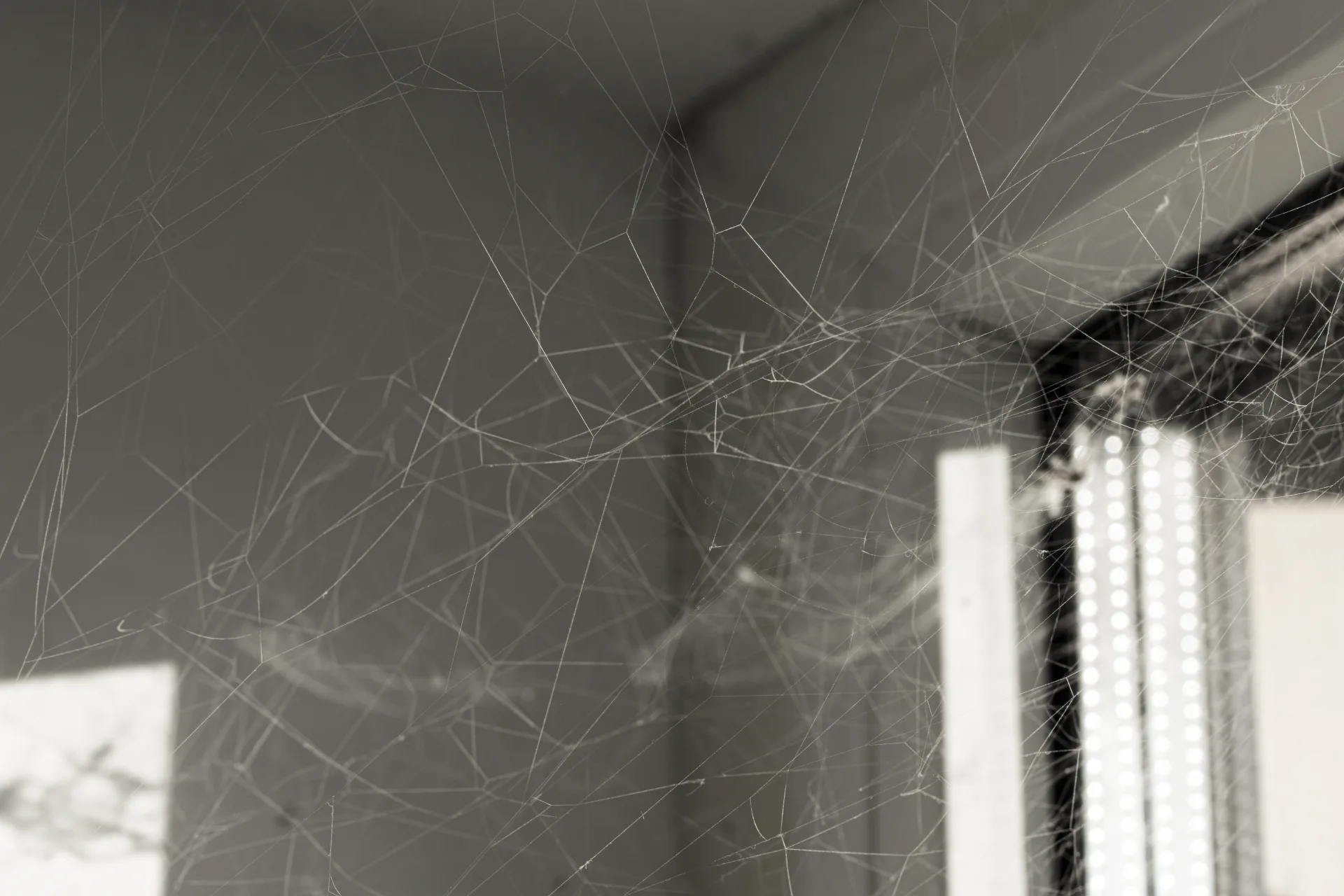
Web Removal Service for Commercial and Institutional Propert | Bugsway Spider Control
Prevention Strategies

After Web Removal: Keeping Your Property Web-Free

Chemical treatment following web removal provides the longest web-free period because it kills spiders returning to previous web sites and prevents new spiders from establishing on treated surfaces. Residual pyrethroid treatment on eaves, window frames, and fascia creates a treated surface that kills spiders landing on it — preventing re-webbing in these high-visibility areas for 4-8 weeks per application. The combination of physical removal of existing webs and chemical treatment of the surfaces makes web removal far more effective than either approach alone.

Long-term web prevention requires reducing the insect prey that attracts spiders. Exterior lighting is the single most influential factor — lights attract flying insects that attract spiders. Switching exterior fixtures to yellow-spectrum or amber LEDs significantly reduces insect attraction and, consequently, spider presence at those fixtures. Caulking gaps in window frames, installing fine-mesh screens on crawlspace vents, and keeping door and window screens in good repair reduces insect entry, reducing the indoor food supply that sustains indoor spider populations. Bugsway provides a written prevention recommendation after each web removal service identifying the specific structural and environmental factors sustaining spider populations on your property.
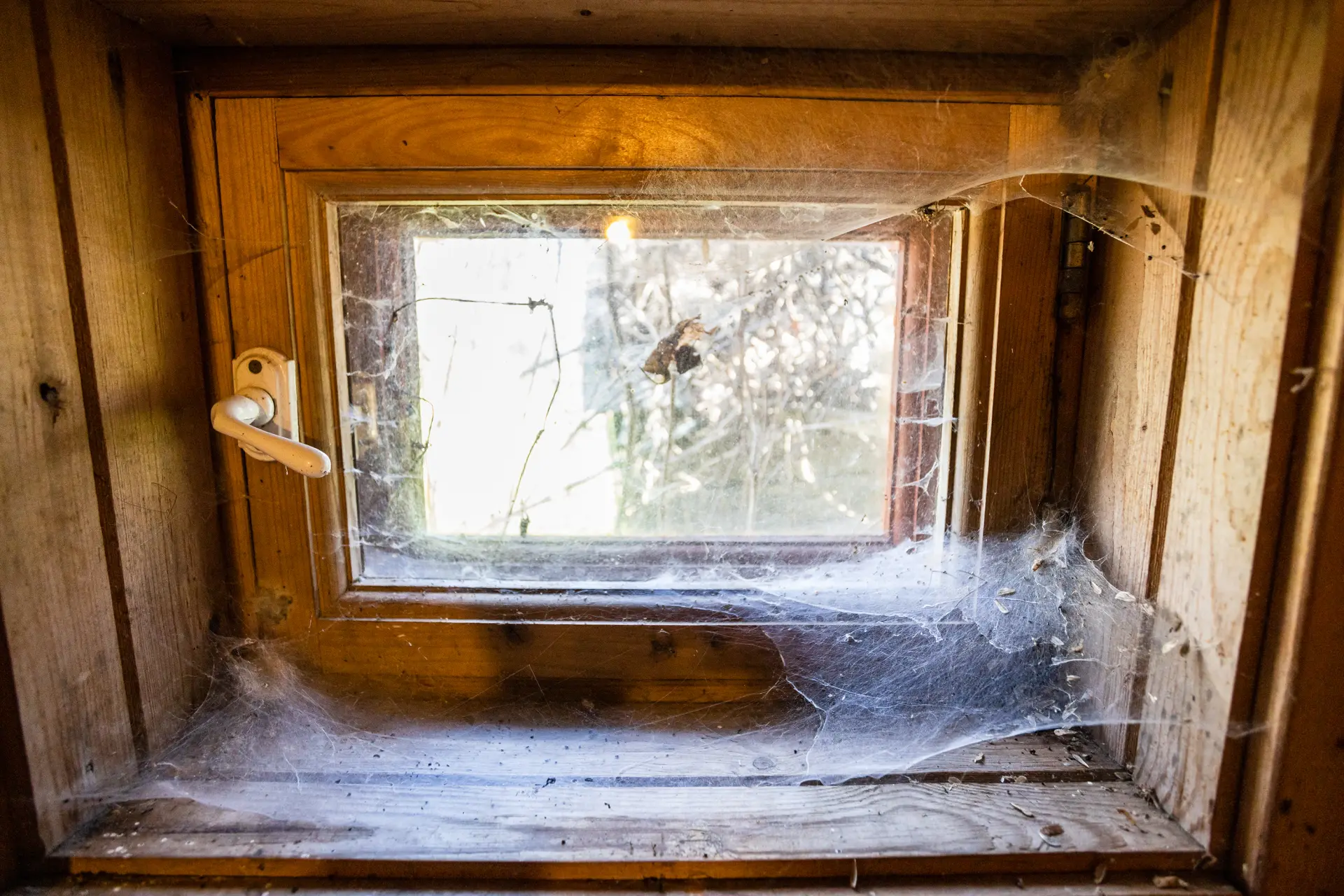
After Web Removal: Keeping Your Property Web-Free | Bugsway Spider Control

Frequently Asked Questions

Questions? Call 416-555-5555

How often should I have webs removed professionally?
For residential properties, professional web removal twice per year (spring and fall) combined with chemical treatment provides good control for most homes. Properties with high spider pressure — wooded lots, properties adjacent to ravines or bodies of water, homes with dense foundation plantings — benefit from quarterly service. Commercial food facilities typically require monthly service to meet audit standards. After your first service, Bugsway recommends a service frequency based on the spider pressure observed during that visit.
Is vacuuming webs yourself as effective as professional removal?
DIY vacuuming of accessible webs is effective for what it reaches, but professional service differs in three important ways: reach (professional equipment handles eaves, rooflines, and heights up to 12 metres that a standard vacuum cannot), thoroughness (trained technicians identify and remove egg sacs that casual cleaning may miss), and follow-up treatment (the chemical application after removal that prevents rapid re-establishment). For ground-level accessible webs in a small home, DIY removal combined with perimeter treatment is a reasonable approach. For larger properties or commercial facilities, professional service provides better results.
Does web removal work without chemical treatment?
Physical web removal alone provides a temporary cosmetic improvement — webs will typically begin re-appearing within 2-4 weeks as the resident spider population rebuilds. Without chemical treatment, the spiders that built the original webs (or new spiders occupying the same territory) will re-establish in the same productive locations. Chemical treatment following removal creates a residual barrier on treated surfaces that significantly slows re-establishment — extending the web-free period to 6-10 weeks in most cases. For the best results, Bugsway always combines physical removal with chemical application.
Does having lots of spider webs indicate a pest problem?
Yes — abundant spider webs are a reliable indicator of high insect prey availability. Spiders build webs where prey is plentiful, so heavy webbing indicates a significant flying or crawling insect population in and around your property. Interior webs in a basement also suggest moisture and the insects that thrive in it (silverfish, springtails, booklice, carpet beetles). Heavy exterior webbing around lights suggests the lighting is attracting large numbers of flying insects at night. Bugsway's web removal inspection includes an assessment of what's driving spider pressure — not just web removal.
How do I identify spider egg sacs?
Spider egg sacs are small, round or oval silk pouches, typically white to tan in colour, and usually attached to or suspended within the web structure. House spider egg sacs are small (5-8mm), papery, and often pear-shaped. Orb weaver egg sacs may be wrapped in leaf debris near the web. The egg sac feels papery and may be slightly firm. A single egg sac can contain 50-200 eggs depending on species. Removing egg sacs before hatching is the most impactful part of a professional web removal service from a population control perspective.
Does removing webs make spiders aggressive?
No. Spiders are not aggressive animals — they do not pursue or attack in response to territorial disturbance. When a web is removed, the resident spider will typically retreat or flee. Some species may bite if directly handled or if trapped against skin during web removal (which is why gloves are recommended for DIY web clearing), but web removal itself does not provoke spiders to become aggressive toward people. Bugsway technicians work safely with appropriate protective equipment.
How high up can webs be removed?
Bugsway's standard equipment handles web removal at heights up to 6 metres (approximately two storeys) without scaffolding or aerial lifts. Extension poles with brush and vacuum attachments allow safe reaching of eaves, rooflines, and upper exterior walls. For commercial properties with higher ceilings or upper-storey webs, extended-reach equipment handles up to 12 metres. Above that height, specialized access equipment (lifts or scaffolding) would be required — Bugsway can advise on appropriate solutions for unusually tall structures.
Do webs in my attic need to be removed?
Attic spider webs are typically not a priority for removal unless the attic is used for storage or has access routes to living areas. Spiders in attics are almost always harmless species that actually help control other pest insects in this inaccessible space. Heavy attic webbing can indicate a significant insect population entering through roof vents or gaps — worth investigating if the attic webs have increased noticeably. If attic webs are a concern, Bugsway includes attic inspection in our comprehensive spider assessment and advises on whether removal and treatment would be beneficial for your specific situation.