Wolf Spider Removal
Toronto & GTA
Professional control of wolf spiders in Toronto homes. Perimeter residual treatment, exclusion assessment, and prey insect reduction for lasting results. Licensed technicians. Guaranteed.
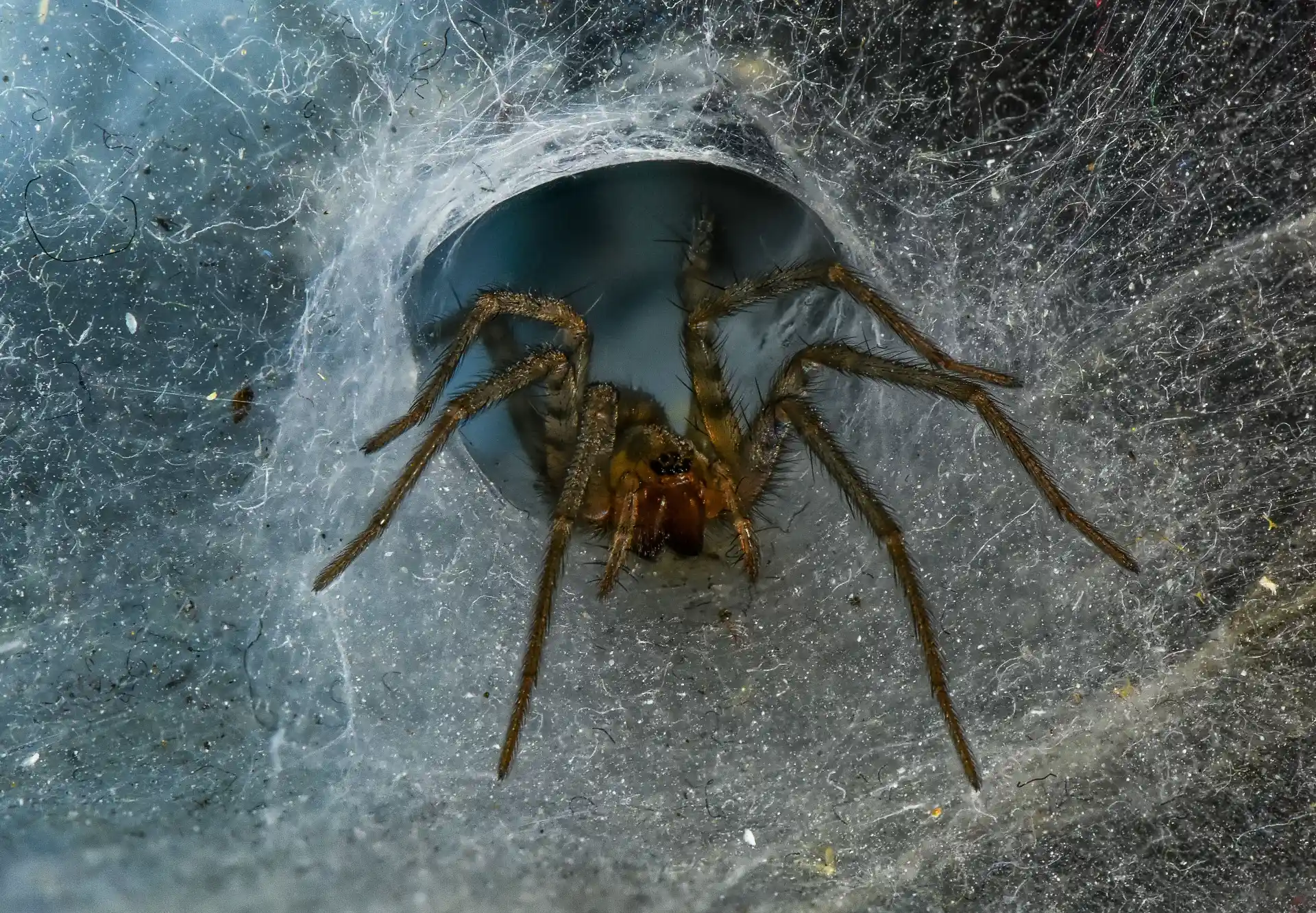
Wolf Spiders in Toronto: Large, Fast, and Unsettling
Why Professional Wolf Spider Control Outperforms DIY
Wolf Spider Control Services
Exterior Perimeter Treatment
Professional residual insecticide applied to the exterior foundation, window wells, and entry zones. Creates a chemical barrier that kills wolf spiders and prey insects attempting to enter. 60–90 day residual activity.
Interior Crack & Crevice Treatment
Residual insecticide applied to basement floor/wall junctions, utility penetrations, and window frame gaps. Secondary barrier for spiders that bypass the exterior treatment.
Glue Board Trapping
Sticky glue board traps placed in key basement and ground-floor locations capture active wolf spiders and prey insects. Provides monitoring data and captures individuals that bypass chemical treatments.
Prey Insect Reduction
Identification and treatment of prey insect populations (crickets, beetles) in and around the property that draw wolf spiders inside. Addressing the food source dramatically reduces spider entry pressure.
Structural Exclusion Assessment
Written identification of priority structural entry points: foundation cracks, utility penetrations, gap under doors, window frame gaps. Specific caulking and weatherstripping recommendations to reduce entry long-term.
Seasonal Spider Programs
Two scheduled exterior perimeter treatments (early and mid-autumn) plus interior treatment as needed. Designed around Toronto's seasonal wolf spider invasion period. Preferred pricing for program members.
Wolf Spiders Running Through Your Basement?
A professional perimeter treatment stops wolf spiders at the entry point. Fast, lasting, and guaranteed — call Bugsway today.
Our Wolf Spider Control Process

Wolf Spider Control Pricing
Transparent pricing. Quote confirmed before work begins.
Standard
Single treatment, average-sized home
- Exterior perimeter treatment
- Interior crack & crevice treatment
- Glue board monitoring
- Exclusion recommendations
- 60-day service guarantee
Comprehensive
Seasonal program with prey reduction
- Everything in Standard
- Prey insect (cricket) treatment
- 2 seasonal exterior treatments
- Written exclusion report
- Full season guarantee
Pricing varies by property size and prey insect levels. Quote confirmed before work begins. HST applicable.
Why Toronto Homeowners Choose Bugsway for Spider Control
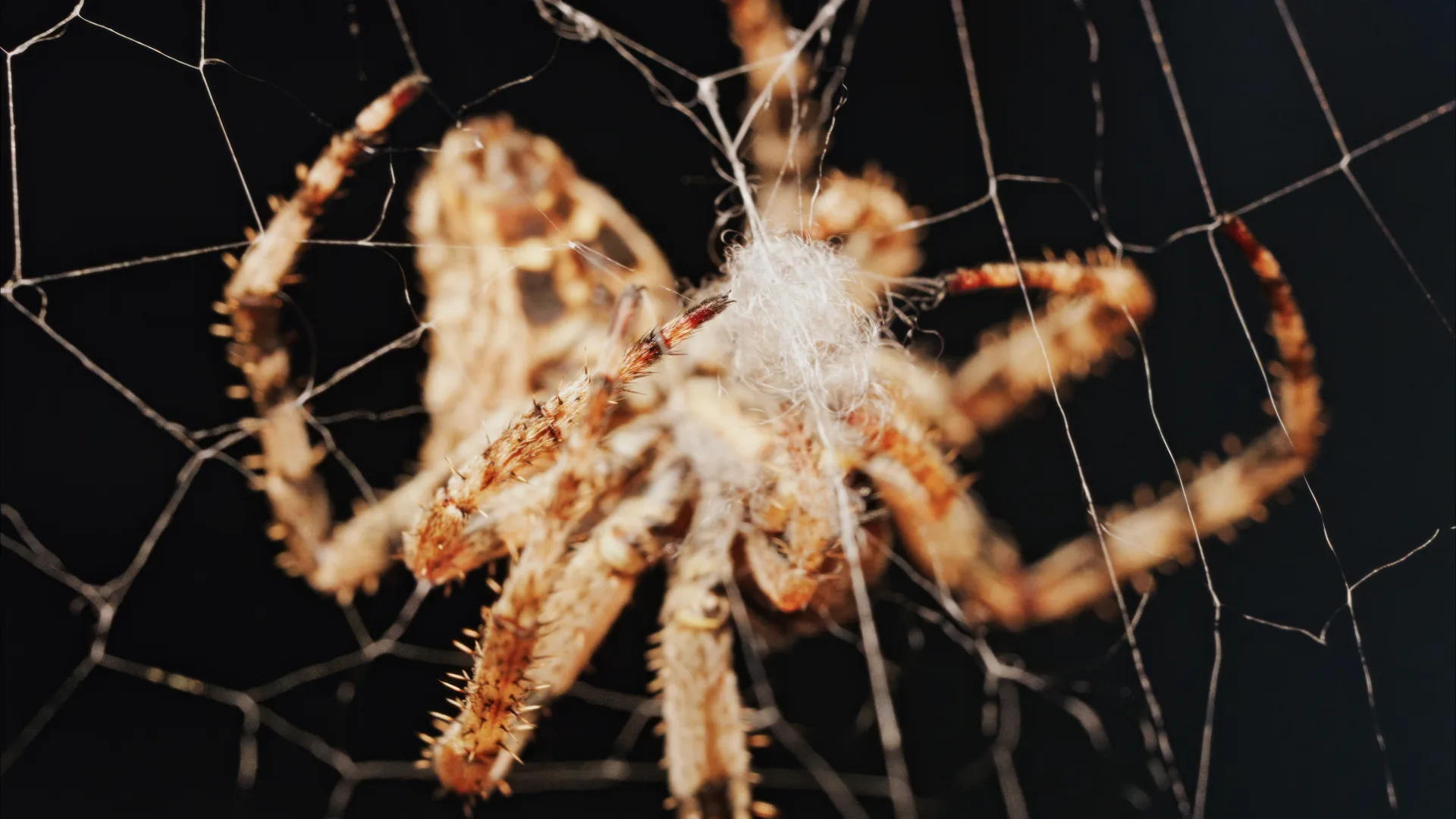
Stop Wolf Spiders Before Autumn Gets Worse
Toronto's wolf spider season peaks in September and October. Early perimeter treatment stops them before they're inside. Call Bugsway today.
Related Spider Control Services
Spider Web Removal
Professional removal of existing spider webs throughout your home's exterior and interior. Combined with residual treatment to prevent rapid web re-building.
Learn About Web RemovalBrown Recluse Treatment
Expert identification and treatment for brown recluse spider infestations. Professional assessment and medically-informed response for Ontario's most concerning spider species.
Learn About Brown Recluse TreatmentAll Pest Control Services
From ant control and rodent removal to cockroach treatment and bed bugs, Bugsway provides comprehensive pest management for Toronto properties.
View All ServicesFrequently Asked Questions
Common questions about wolf spider control in Toronto
Are wolf spiders dangerous to humans?
Why are wolf spiders entering my Toronto home?
How do I identify a wolf spider?
What treatment does Bugsway use for wolf spiders?
Why are wolf spiders worse in autumn in Toronto?
How long does wolf spider treatment last?
Can I prevent wolf spiders without pesticides?
Do wolf spiders nest inside houses?
Contact Bugsway Today
Wolf spider control across Toronto and the GTA. Licensed, insured, and guaranteed.
Also see our spider web removal and brown recluse treatment services.
Wolf Spider Identification: Are These Scary Spiders Actually Dangerous?
Wolf spiders (family Lycosidae) are among the largest spiders encountered in Toronto homes — body length of 10-35mm, covered in brown and grey banding that provides camouflage against leaf litter and carpet. They are ground-hunting predators that chase prey rather than building webs, which is why they're found running across floors rather than in corners. Their large size and speed make them alarming to encounter — their appearance triggers arachnophobia responses in many people. They commonly enter homes in fall (September-October) as outdoor temperatures drop and they seek warm harborage.
Despite their intimidating appearance, wolf spiders are not medically dangerous in Ontario. They can bite if handled or cornered, and their large chelicerae can produce a puncture wound causing local pain and mild swelling — comparable to a bee sting. Serious reactions are extremely rare. Wolf spiders are actually beneficial predators, controlling populations of crickets, cockroaches, and other insects in and around homes. However, for households with arachnophobia or young children, controlling wolf spider entry during fall is entirely reasonable. Professional perimeter treatment in late summer (August-September) prevents fall entry before populations peak.
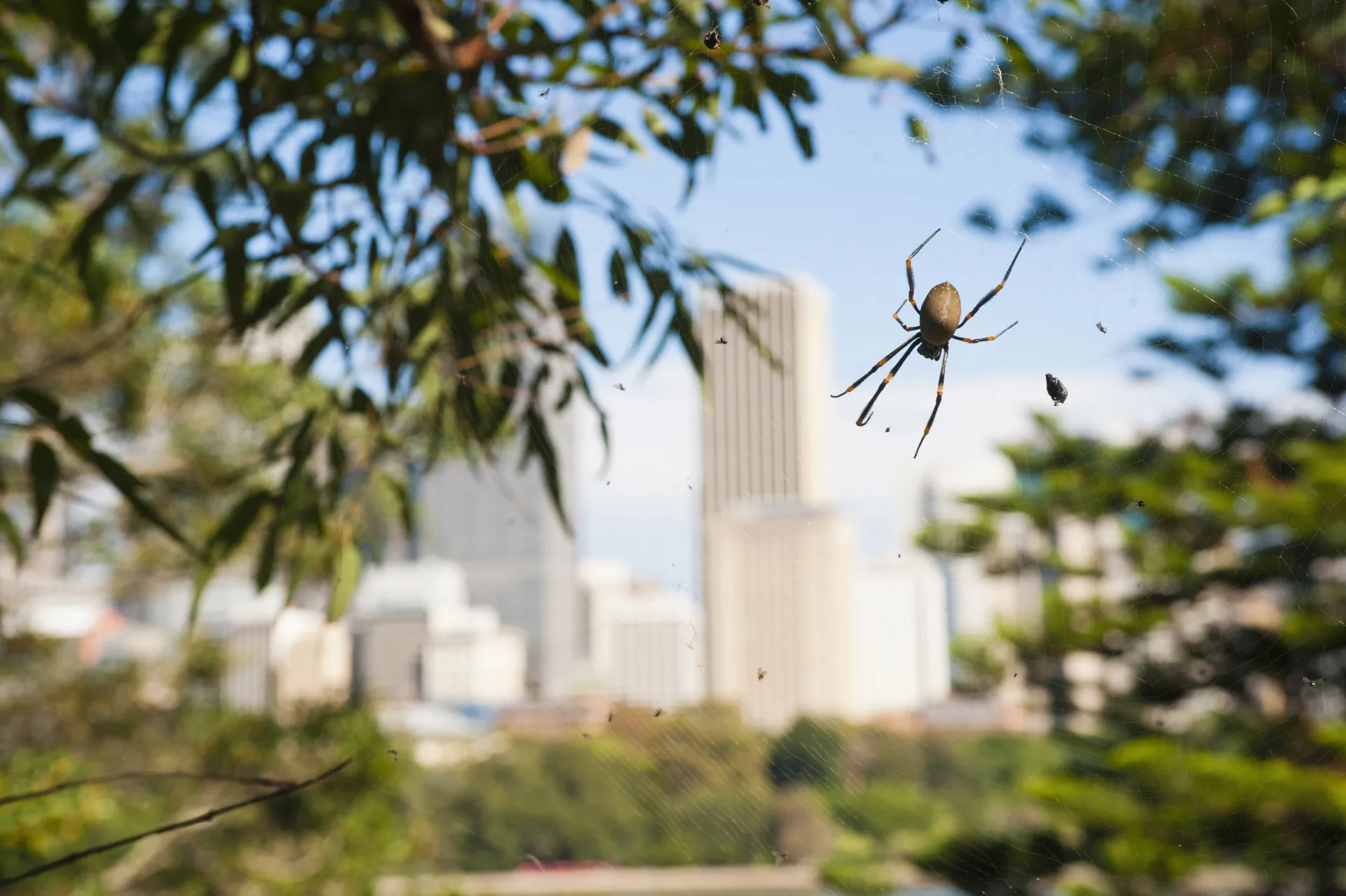
Why Wolf Spiders Are Concentrated in Basements
Wolf spiders prefer ground level — they are burrowing animals in outdoor environments (under rocks, leaf litter, wood piles) and gravitate to the lowest level of buildings when they enter. Basements provide the cool, dark, humid conditions closest to their preferred outdoor microhabitat. High humidity in basements attracts the insects wolf spiders prey on (crickets, cockroaches, silverfish, centipedes), creating an ideal hunting ground. Basement floor cracks and gaps in the sill plate provide easy entry from the exterior. Once inside, wolf spiders move freely across basement floors but rarely ascend to upper levels unless following prey.
Reducing basement humidity is one of the most effective wolf spider deterrents. Dehumidifiers reduce the moisture that supports the prey insects wolf spiders feed on. Addressing plumbing leaks, improving vapour barriers in crawlspaces, and improving basement ventilation creates a drier environment that is less hospitable for wolf spiders and their prey. Removing harborage at the foundation exterior — wood piles, landscape stone borders, leaf debris against the house — reduces the wolf spider population immediately adjacent to your building's entry points. Professional perimeter treatment in late summer creates a chemical barrier during the fall entry period.
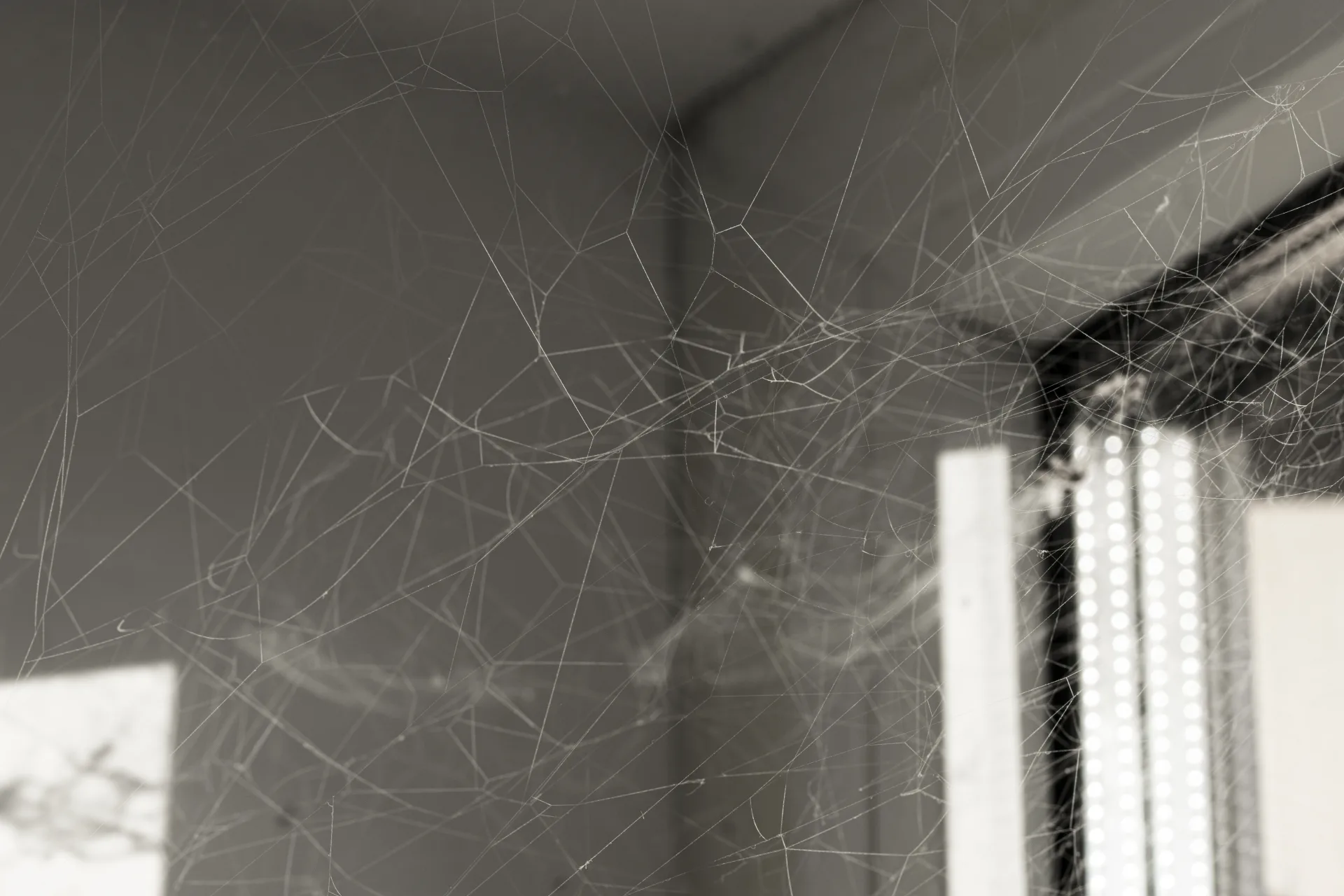
Wolf Spider Control: Interior and Exterior Treatment
Wolf spider control combines exterior perimeter spray (applied to the foundation wall, around all ground-level entry points, and in the band of vegetation directly adjacent to the building) with interior treatment of basement perimeter areas. Exterior treatment targets wolf spiders approaching the building during their fall migration and kills those sheltering in the perimeter zone. Interior basement treatment addresses spiders that have already entered — residual spray along basement floor-wall junctions, inside sill plate gaps, and in wall-floor corners where wolf spiders travel and rest.
Sticky glue traps placed along basement walls provide both population reduction and monitoring data — traps capture wolf spiders attempting to traverse the basement perimeter and provide a count of activity levels over time. For basements with persistent wolf spider pressure, Bugsway recommends placing 6-10 sticky traps along the perimeter walls and checking them monthly. Trap counts that remain high after treatment indicate either ongoing entry (suggests exclusion gaps not yet sealed) or a large resident population requiring additional treatment. The combination of chemical treatment, sticky traps, and exclusion sealing provides the most comprehensive wolf spider control approach.
Frequently Asked Questions
Questions? Call 416-555-5555