Bee Relocation Toronto
— Ethical & Safe
Bugsway provides ethical honey bee relocation for Toronto homeowners — safely transferring swarms and established colonies to managed hives with our licensed beekeeper partners, protecting pollinators while solving your property problem.
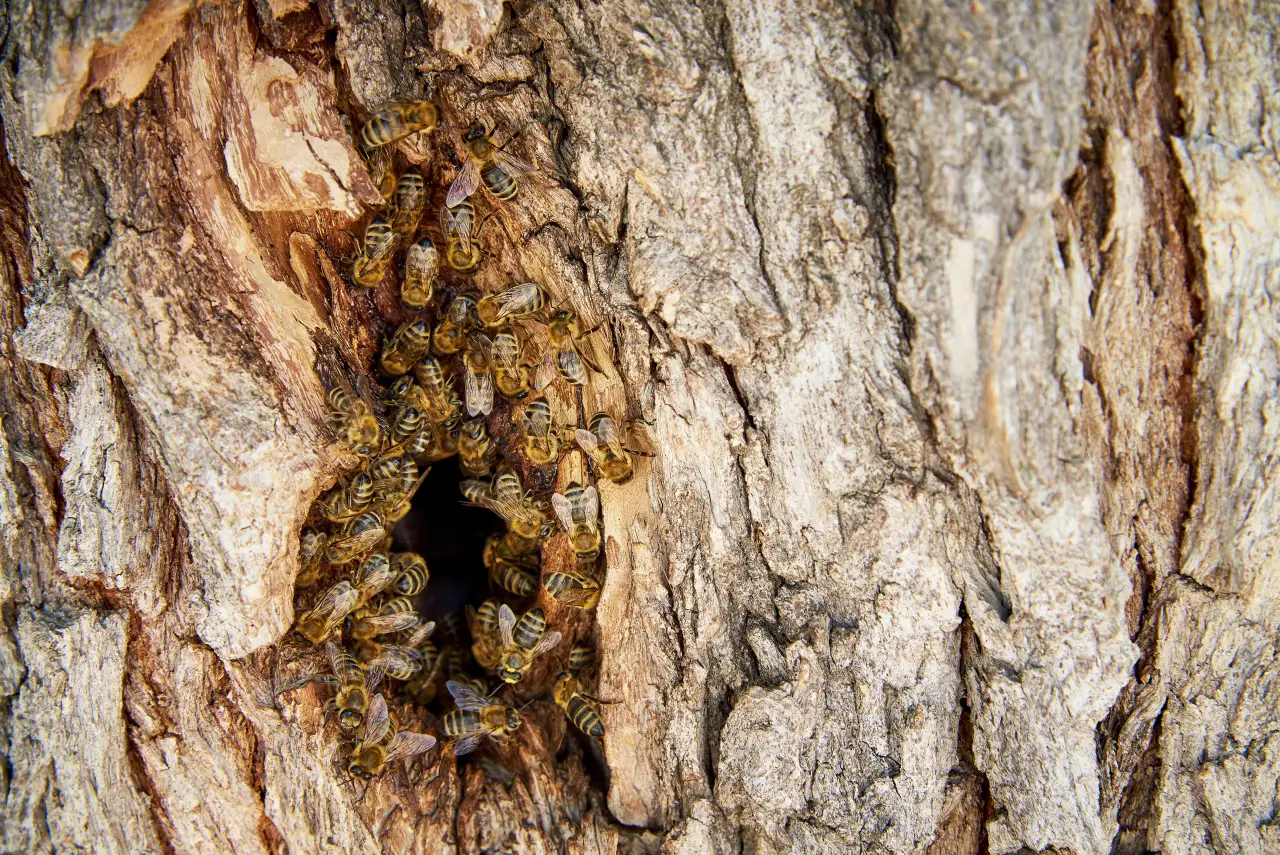
Bee Relocation in Toronto — Protecting Pollinators While Solving Your Problem
Honey bees (Apis mellifera) are essential pollinators responsible for the reproduction of a significant proportion of the plant species and crops that support Toronto's food supply and urban green spaces. Unlike wasps and hornets, which are primarily predatory insects with limited ecosystem value in urban settings, honey bees are irreplaceable pollinators that should be protected and relocated whenever their presence conflicts with human safety or property use.
Bee relocation — the live capture and transfer of honey bee swarms or established hive colonies to managed beekeeping operations — is the preferred approach to honey bee conflicts on Toronto properties. Bugsway partners with licensed Ontario beekeepers who receive all relocated colonies for placement in managed apiaries, where the bees continue their essential pollination work while being properly maintained and monitored for diseases and pest pressures.
Toronto's urban beekeeping community has grown significantly, with City of Toronto municipal regulations permitting rooftop and garden beehives in residential and commercial zones. This means that honey bee swarms visiting your property are frequently the offspring of managed urban hives in your neighbourhood, making their preservation particularly straightforward — a nearby beekeeper is often available to receive a relocated swarm within hours.
The importance of protecting bee populations is recognized by Health Canada and the Ontario Ministry of Agriculture, Food and Rural Affairs, which administers Ontario's Bees Act and supports pollinator health programmes across the province. Bugsway is committed to the responsible management of bee colonies in all our service interactions, ensuring that honey bees are never treated as pests when live relocation is a practical option.
Why Professional Bee Relocation Is Essential
Honey bee swarm capture and hive relocation require specific knowledge of bee behaviour, appropriate equipment, and a receiving location with proper beekeeping facilities. DIY attempts to relocate bee colonies frequently fail — either the colony is not fully captured (leaving a remnant that continues to occupy the original location), the bees are injured or killed through improper handling, or the colony is released in an inappropriate location without a managed hive structure to settle into.
Professional relocation uses smoking techniques to calm the colony, appropriate bee boxes and frames to contain the captured bees, and coordination with receiving beekeepers to ensure the colony is immediately placed in a proper hive with food resources available. For wall or structure-embedded colonies, professional relocation involves partial structural opening, careful comb removal, and transfer of brood frames to a hive body — ensuring the queen is captured and the colony remains viable after transfer.
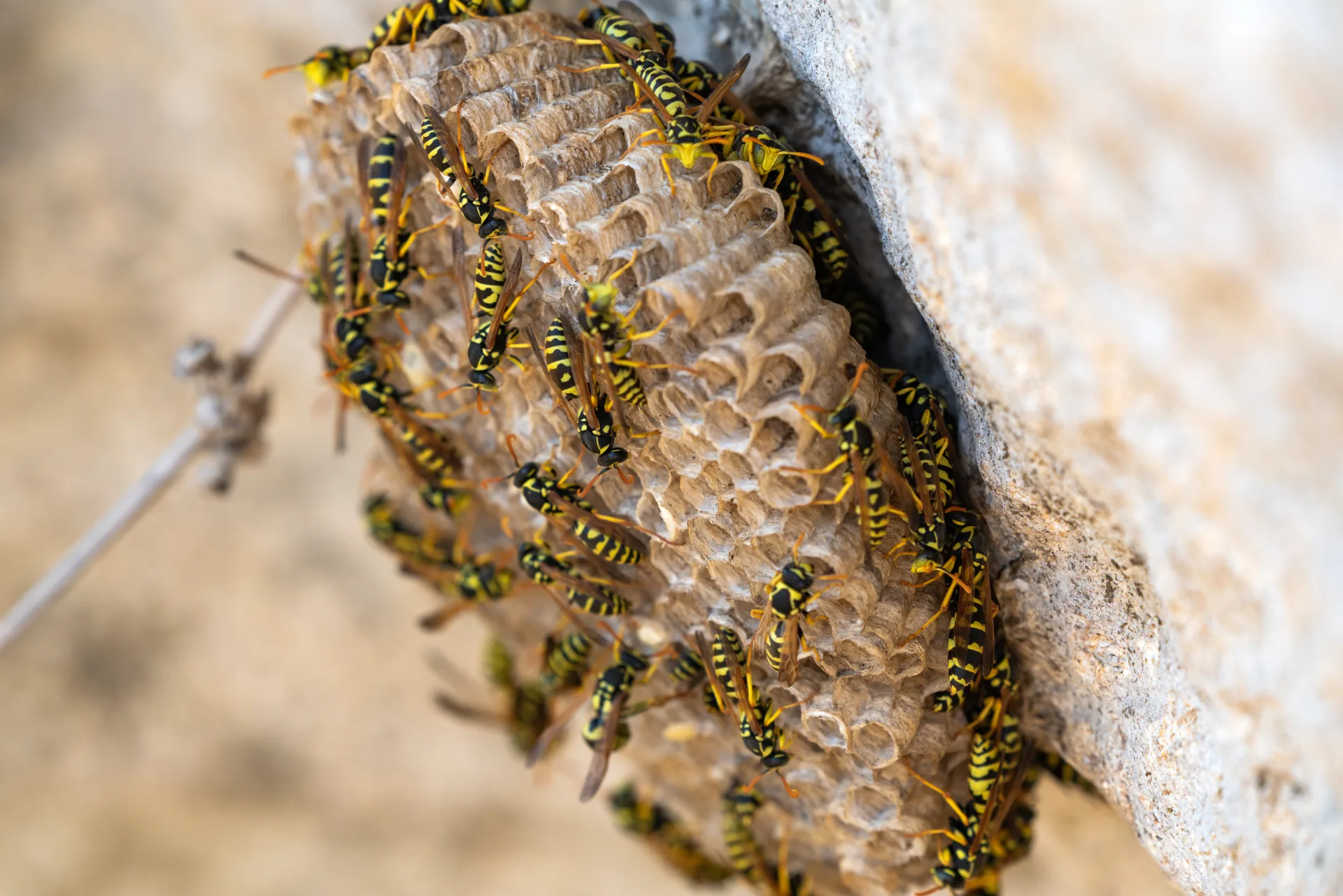
Critically, professional bee service operators distinguish between honey bees (which should be relocated), bumble bees (ground-nesting native species which are protected and should not be disturbed), and yellow jackets or paper wasps (which look superficially similar from a distance but require insecticide treatment). Misidentification of the species present is the most common error in DIY stinging insect management, and getting it wrong means either killing protected beneficial insects or failing to adequately address a genuine wasp hazard.
Bugsway's technicians are trained to make rapid, accurate stinging insect identification and will always recommend the species-appropriate response — relocation for honey bees and bumble bee disturbance avoidance, insecticide treatment for wasps and hornets, and professional apiary assessment for situations where identification is ambiguous from the exterior.
What's Included in Our Bee Relocation Service
Species Identification
Confirmation of honey bee (vs bumblebee, wasp, or hornet) to ensure the relocation approach is appropriate and no pollinators are treated unnecessarily with insecticides.
Live Swarm Capture
Professional live capture of bee swarms using smoking techniques and appropriate collection equipment, transferring the entire swarm including the queen to a transport hive box.
Established Colony Relocation
For colonies established inside walls or structures, coordinated removal including comb extraction and transfer of brood frames with the queen to a licensed beekeeper's hive.
Beekeeper Coordination
We coordinate directly with our network of licensed Ontario beekeepers to ensure relocated colonies are immediately placed in managed hive environments with appropriate resources.
Cavity Comb Removal
Complete removal of honeycombs from vacated wall or structural cavities to prevent future attraction of bees and other pests to residual wax and honey scent.
Entry Point Sealing Advice
Written documentation of the structural opening used by the bee colony with recommendations for sealing to prevent future occupation of the same cavity.
Bees on Your Toronto Property? Relocate, Don't Eliminate.
Ethical honey bee relocation protecting pollinators while solving your property issue. Call today for same-week service.
Our Bee Relocation Process — Step by Step
Step 1 — Species Assessment: Upon arrival, our technician assesses the insects to confirm they are honey bees and not wasps or hornets. This identification determines the approach. If the insects turn out to be bumblebees — a protected native species — we advise on disturbance minimization and seasonal resolution without intervention. If honey bees are confirmed, we proceed with relocation planning.
Step 2 — Swarm Assessment or Hive Access: For exposed swarms (clusters on branches, fence posts, or exterior surfaces), we assess the swarm size and queen location to plan capture. For established colonies in wall voids, we identify the entry and exit points and assess whether structural opening is required for comb access. We contact our beekeeper network to confirm a receiving location is available.
Step 3 — Smoking and Calming: A bee smoker is used to calm the colony by triggering the bees' instinct to gorge on honey in anticipation of an imagined fire threat — this significantly reduces defensive behaviour during handling. This professional technique is the single most important factor in minimizing sting risk during capture and is not available through any DIY approach.
Step 4 — Capture and Transfer: The swarm or colony is carefully transferred into a transport hive box, ensuring the queen is included. For wall colonies, comb sections containing brood are transferred to hive frames. All accessible honeycomb is removed from the vacated cavity and the opening is treated with a bee-repellent pheromone block to discourage re-occupation.
Step 5 — Beekeeper Handoff and Property Restoration: The captured colony is transferred to our beekeeper partner within the same day, placed in an established hive with appropriate resources. You receive documentation of the colony transfer and a written report identifying the entry point with sealing recommendations. The structural repair of any opening made for colony access is advised but not performed by Bugsway — we can recommend licensed contractors for this work.
Bee Relocation Pricing in Toronto
Ethical relocation pricing reflecting the care and expertise required to safely transfer bee colonies. HST included.
Accessible exterior swarm relocation
- Species identification
- Live swarm capture
- Beekeeper handoff
- Service documentation
Established wall/structure colony relocation
- Everything in Standard
- Full comb removal
- Cavity treatment
- Entry point documentation
Why Toronto Chooses Bugsway for Ethical Bee Relocation
Bugsway's commitment to pollinator protection is genuine and reflected in our service protocols. We will never apply insecticide to a confirmed honey bee colony when live relocation is a practical option. This commitment occasionally means advising clients to wait a few days for a beekeeper partner to become available rather than using an expedient chemical treatment — and we stand by that approach because it is the right thing for the ecosystem and for Toronto's growing urban beekeeping community.
Our beekeeper network includes licensed Ontario honey producers, urban rooftop beekeepers, and community apiary operators across the Greater Toronto Area. This network ensures that relocated colonies go to established, managed hive environments with appropriate food resources, disease monitoring, and the human expertise to help the colony establish and thrive in its new location. We don't just capture bees — we care about where they end up.
Bugsway handles hundreds of stinging insect calls every spring and summer, and our ability to rapidly and accurately distinguish between honey bees, bumblebees, wasps, and hornets is one of our most important service competencies. Toronto residents frequently call us uncertain about what they are dealing with, and our species identification service — provided during every site assessment — ensures the right response is taken from the start, every time.
For wasp and hornet problems, see our wasp nest removal and hornet control services. View our complete wasp and bee removal programme for the full range of stinging insect services.
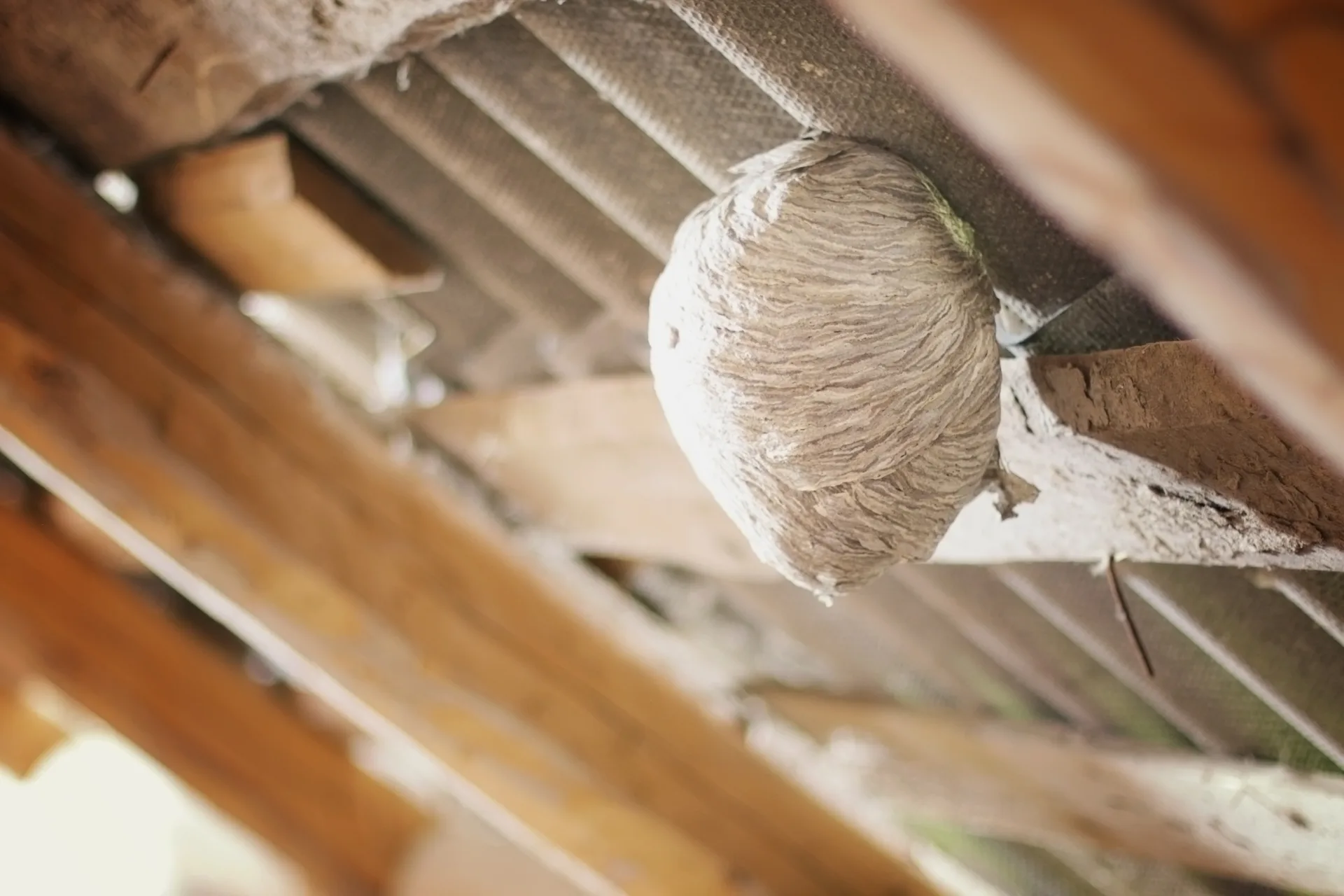
Protect Toronto's Pollinators — Relocate, Don't Exterminate
Ethical honey bee relocation with licensed beekeeper partners. Serving all Toronto and GTA communities.
Related Wasp & Bee Services
Wasp Nest Removal
Safe, professional removal of yellow jacket and paper wasp nests from Toronto homes and properties.
Learn MoreHornet Control
Expert elimination of bald-faced hornet and European hornet nests from Toronto trees and buildings.
Learn MoreAll Wasp & Bee Services
View Bugsway's complete stinging insect management programme for Toronto homes and businesses.
View AllBee Relocation — Frequently Asked Questions
What is bee relocation vs bee removal?
Bee relocation is the live capture and safe transfer of honey bee swarms or hive colonies to a managed apiary, preserving the bees for pollination and honey production. Unlike wasp removal which uses insecticide, bee relocation prioritizes colony survival. It is the preferred approach for honey bees, which are vital pollinators and increasingly at risk in Canada and globally.
How do I know if I have honey bees or wasps?
Honey bees are fuzzy, golden-brown to orange-brown, about 15mm long with a rounded abdomen. They are docile unless their hive is directly threatened. Wasps are smooth, brighter yellow-and-black with a visibly pinched waist. Honey bees visiting flowers are foraging and will not sting unless mishandled. A cluster of bees hanging from a branch or surface is almost certainly a honey bee swarm.
Is a honey bee swarm dangerous?
Fresh swarms are generally docile and pose minimal sting risk as swarming bees have no hive to defend and are laden with honey. They should not be disturbed or sprayed. A swarm that has established a colony inside a wall or structure becomes progressively more defensive as the colony grows and begins raising brood. Professional relocation is recommended for any established colony.
How long does bee relocation take?
Relocation of an accessible swarm hanging from a tree or surface takes 30–60 minutes. Relocation of an established colony inside a wall or structure requires partial structural access and takes 2–4 hours depending on colony size and depth. We coordinate with licensed beekeepers who receive all relocated colonies for placement in managed hives.
What if bees have established inside my wall?
Wall-void bee colonies require opening the wall to access the honeycomb, transferring combs and brood to a hive body, and removing all honeycomb to prevent future bee attraction. We coordinate with licensed beekeepers for the colony transfer and advise on the structural repair work needed to close the cavity and seal the entry point after relocation is complete.
Are bees protected in Ontario?
Honey bees are not protected under Ontario wildlife legislation but are recognized as critical agricultural pollinators. Ontario's Bees Act governs the keeping of managed colonies. Bugsway and our beekeeper partners support pollinator health by ensuring relocated bees go to managed hives. We decline to use insecticide on honey bee colonies when relocation is safely possible.
Can bees come back after relocation?
Scout bees may return to a previously occupied site for several days after the colony has been relocated. If the cavity has been properly closed and all comb removed, returning scouts will disperse. Failure to remove honeycomb after relocation can attract new swarms in subsequent years as the scent of old wax draws scouts looking for established nest sites.
Do you offer pollinator-friendly pest control throughout your services?
Yes. Bugsway applies pollinator protection practices throughout our service range — we don't treat flowering plants in bloom during landscape pest control applications, we avoid neonicotinoid applications in outdoor flowering areas, and we are committed to accurate species identification so honey bees, bumblebees, and other pollinators are never treated as nuisance pests when alternative management is available.
When Should Bees Be Relocated vs. Treated?
The decision between honey bee relocation and extermination depends on several factors: species, colony accessibility, queen presence, and the urgency of the situation. Honey bee swarms (travelling clusters of bees in transit between hive locations) are the most relocatable scenario — a swarm is non-aggressive (they have no hive to defend, and the queen is surrounded by workers maintaining warmth), can often be collected by a beekeeper with a hive box within 1-2 hours, and represents a significant number of healthy bees valuable to the beekeeping community. Swarms typically settle on a branch, fence, or structure for 24-72 hours before moving to a permanent hive location — calling a beekeeper during this window is the ideal response.
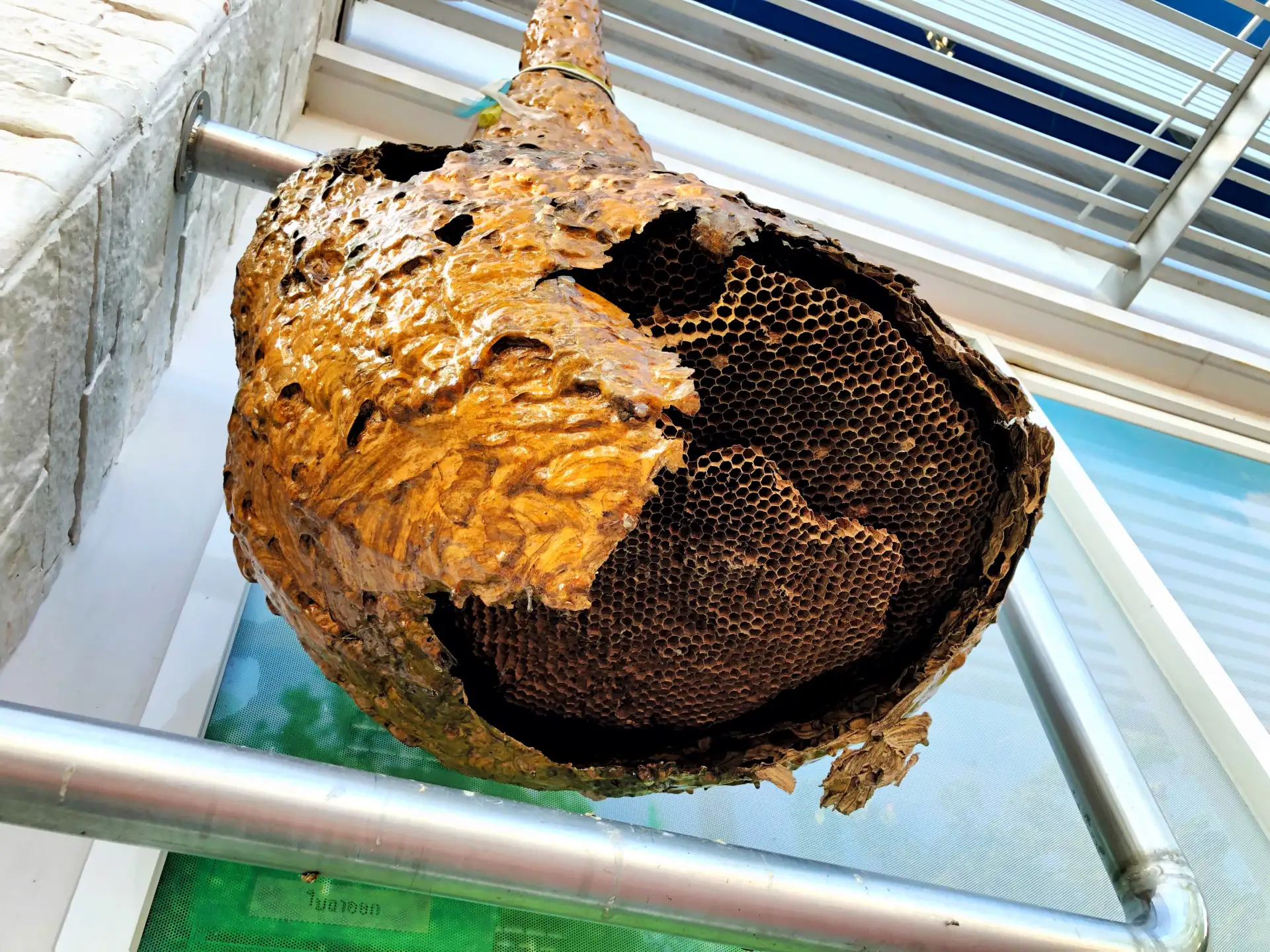
Established honey bee colonies inside wall voids, tree cavities, or chimney flues present a more complex situation. Live relocation requires cutting open the structure to access the comb, transferring the brood, honey, and queen intact to a hive box — a skilled and time-intensive process (3-6 hours) that requires both a pest control technician and an experienced beekeeper. If relocation is not feasible due to structural access limitations, treatment followed by immediate honeycomb removal is required. Leaving dead bees and honey in a wall void causes melting honey, structural staining, fermenting odours, secondary moth and beetle infestations, and attracts new swarms to the old colony location for years afterward.
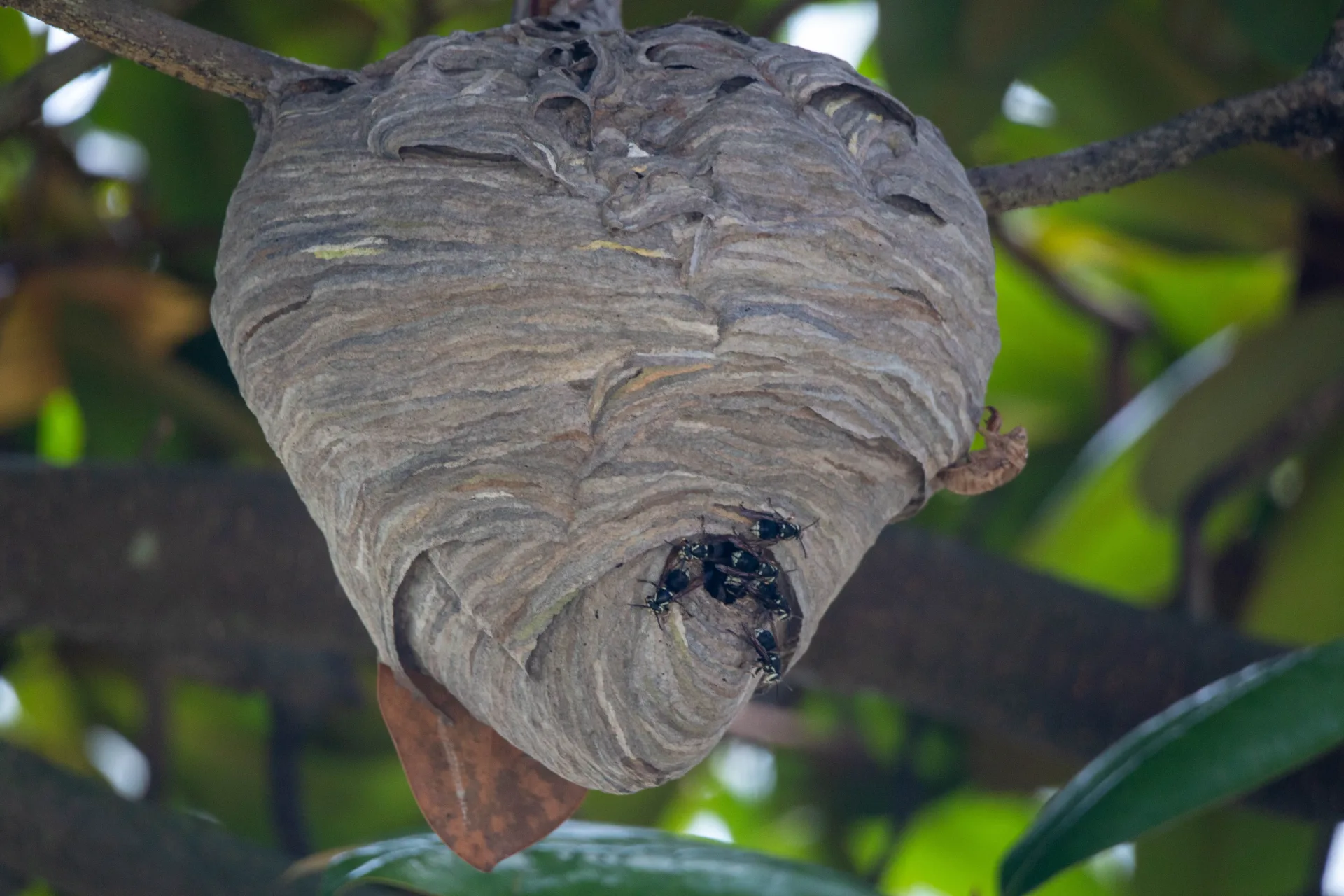
The Bee Relocation Process: What Bugsway Does
When a honey bee swarm is reported, Bugsway contacts our network of local beekeepers to find the nearest available collector. Most Toronto-area swarms can be collected by a beekeeper within a few hours of our call. We remain on standby to treat if the swarm does not hold or if the beekeeper determines that collection is not feasible. For swarm collection, the property owner needs to avoid disturbing the swarm (no spraying, no loud noise, no vibration near the swarm site) and keep children and pets at a safe distance until collection is complete. The beekeeper typically works without any personal protective equipment restrictions on the property owner.
For established colonies inside structures, Bugsway conducts a preliminary assessment of the colony's location, size, and accessibility before recommending an approach. We provide a written assessment to the property owner covering: estimated colony size (based on flight activity and length of establishment), whether live relocation is feasible, the structural opening required to access the colony, whether a beekeeper partner is available for live relocation, or whether treatment and immediate comb removal is recommended. We work with clients to choose the approach that balances bee preservation goals with practical structural and timing constraints.
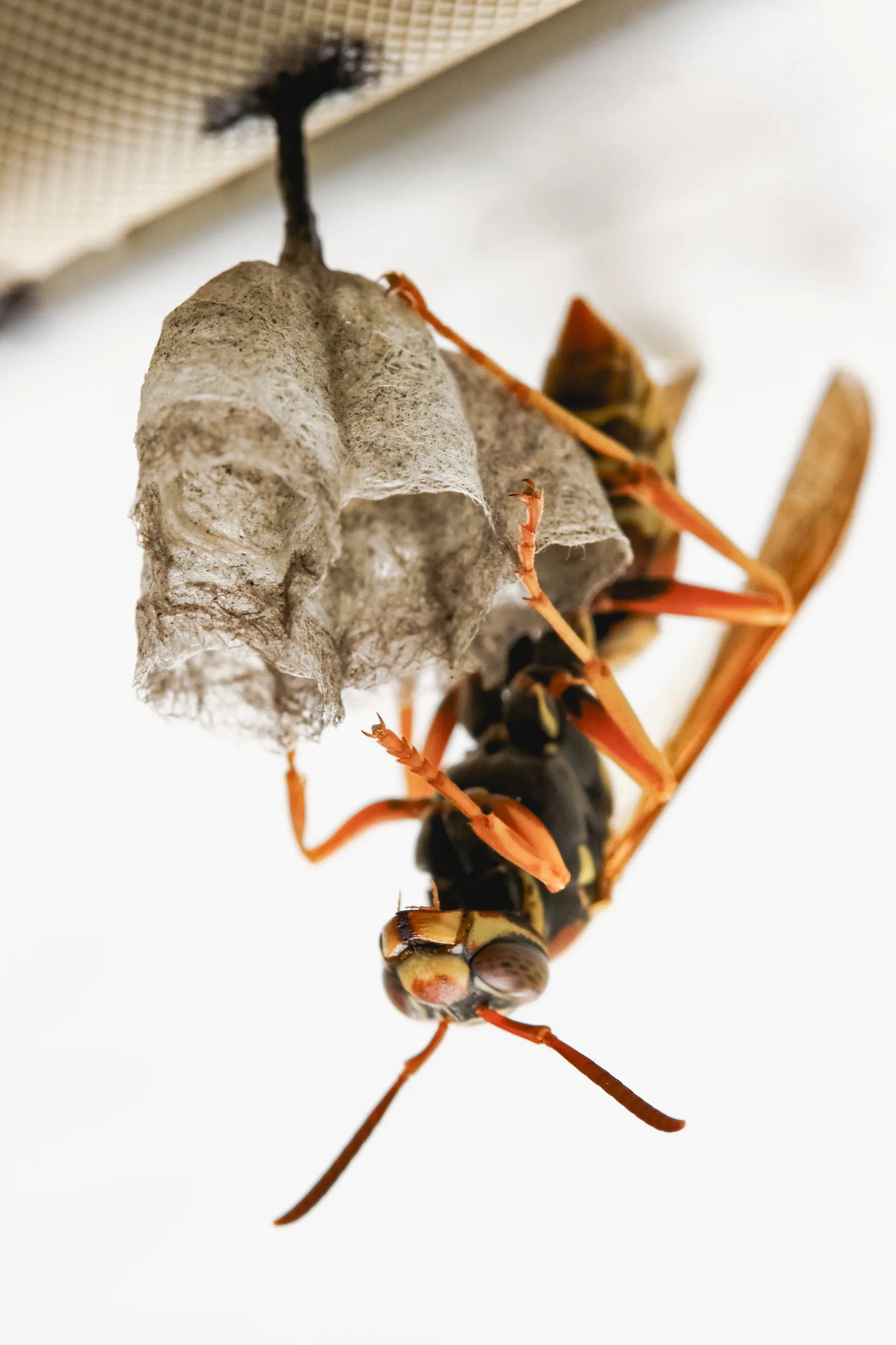
After Bee Removal: Preventing Re-Colonization
After any honey bee colony removal — live or treated — the most critical follow-up step is complete removal of the honeycomb and immediate sealing of the entry point. Residual honeycomb in a wall void becomes a powerful attractant for new swarms. The wax and honey ferments slowly and releases chemical signals that new swarms can detect from significant distances — the same wall void that housed one colony will be targeted by new swarms season after season if the comb is not removed and the entry point sealed. This is why Bugsway includes comb removal as a mandatory component of all honey bee treatments, not an optional add-on.
Entry point sealing after comb removal must be complete and durable. The structural opening created for comb access should be repaired with appropriate materials — exterior-grade caulk and wood fill are insufficient for bee exclusion; the repair must use rigid impenetrable materials (flashing, steel mesh backed with mortar or caulk) to prevent new swarms from entering. Bugsway inspects and advises on the appropriate repair but does not perform structural carpentry repairs beyond our scope — we provide written recommendations that your contractor can implement. A Bugsway follow-up inspection 30 days after comb removal confirms the entry point is sealed and no new colony has established.
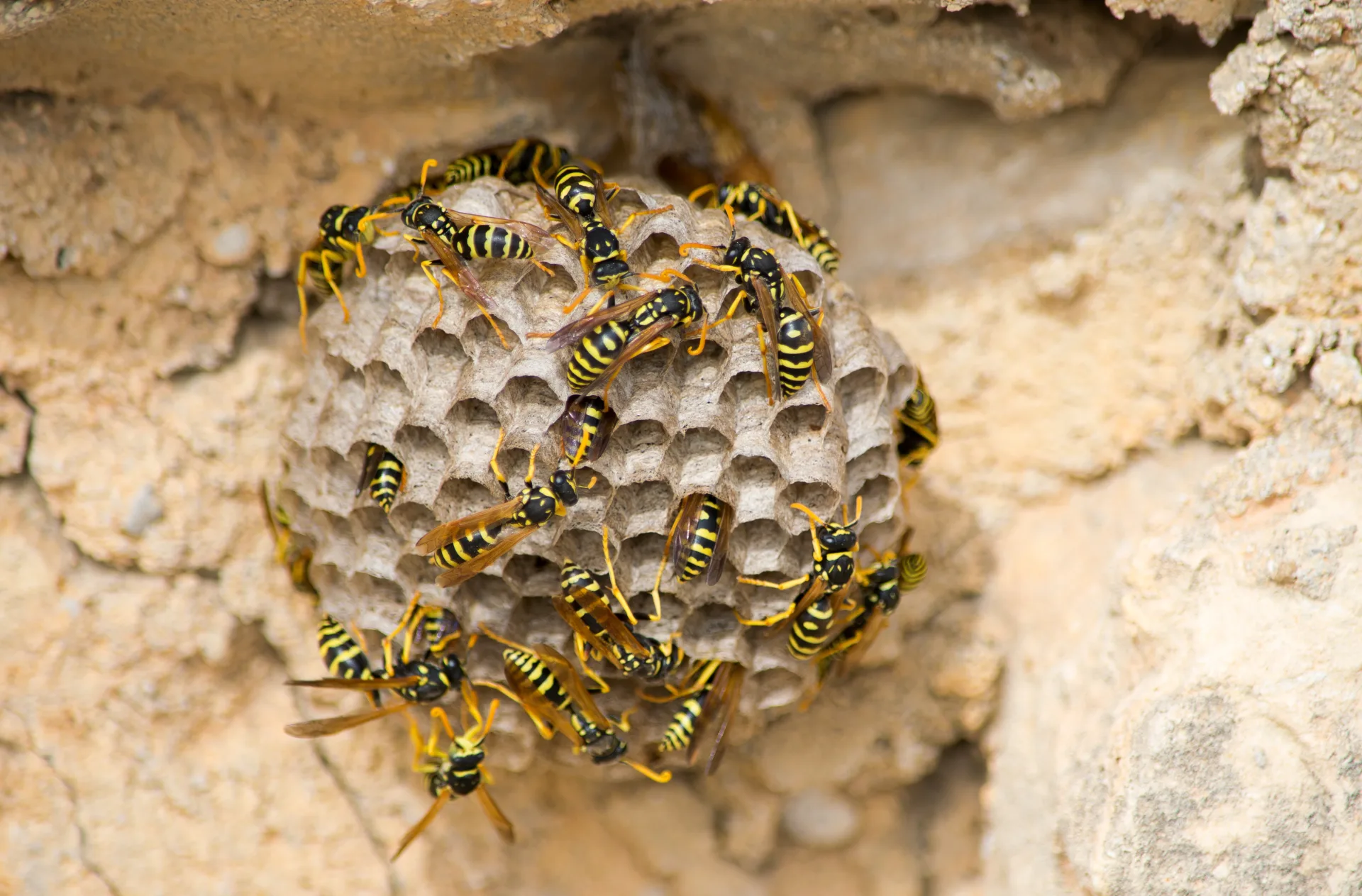
Frequently Asked Questions
Questions? Call 416-555-5555
How do I find a beekeeper for swarm collection?
Are homeowners required to preserve bees before calling an exterminator?
Are all bees in Ontario protected?
What should I do if bees are in my chimney?
How long can a honey bee colony live inside a wall?
Do dead honey bees inside a wall smell?
Is bee pollen a structural issue?
How do I prevent bees from returning after removal?
Book Ethical Bee Relocation Today
Serving all Toronto neighbourhoods and GTA communities. Bee relocation available spring through fall.