Mouse Removal Toronto
& GTA
Mice in your Toronto home contaminate food, damage wiring, and spread disease. Bugsway's licensed technicians eliminate active infestations, seal every entry point, and give you a rodent-free home — guaranteed.
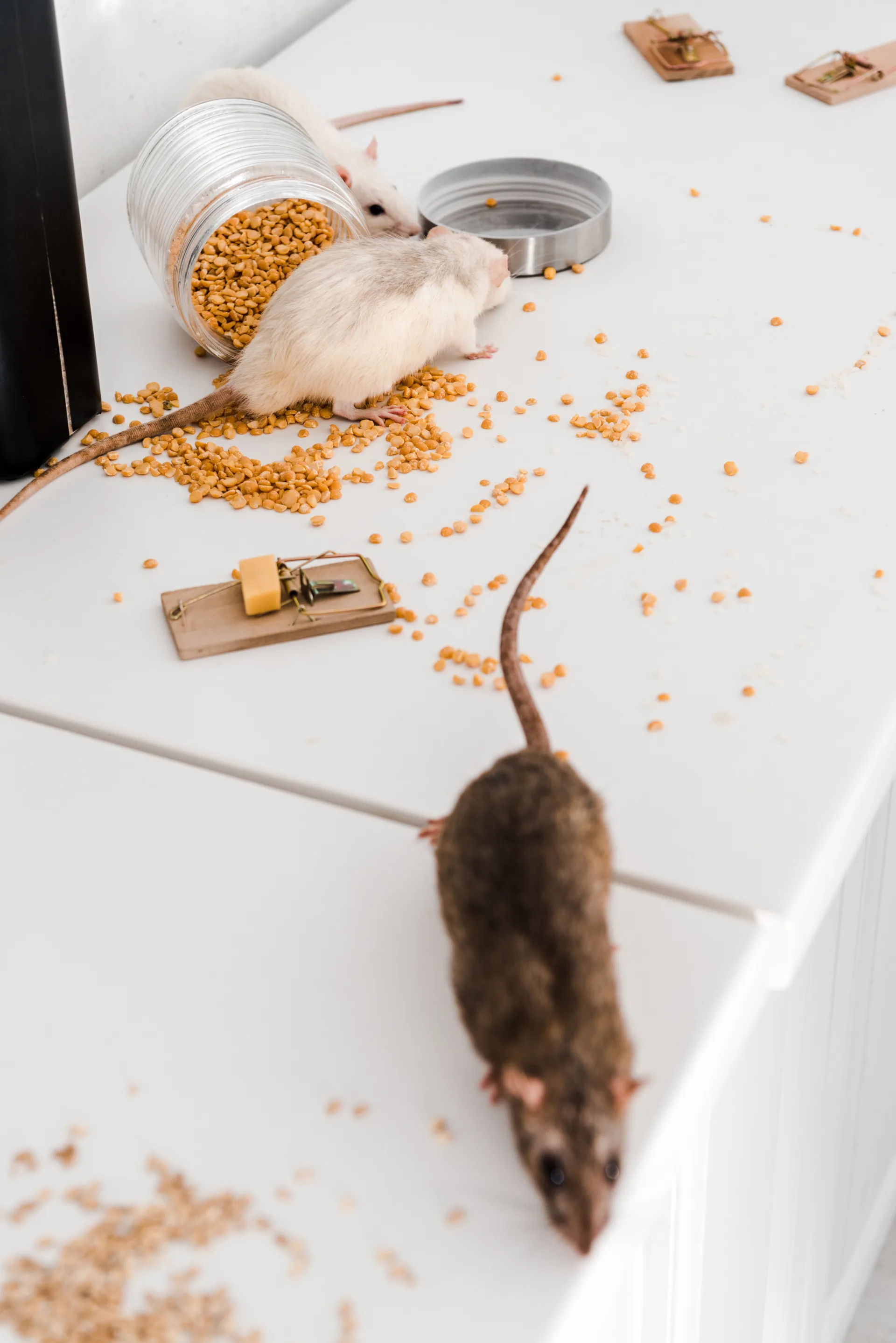
Mouse Infestations in Toronto — Health Risks & Signs to Watch For
The house mouse (Mus musculus) is the most frequently encountered rodent pest in Toronto's residential and commercial buildings. Adapted to urban environments over thousands of years, house mice thrive in the heated, food-rich spaces of Toronto's dense neighbourhoods — from Kensington Market to Willowdale, from Roncesvalles to Scarborough. A single mouse requires only 3 grams of food per day but will contaminate ten times that amount through droppings, urine, and gnawing.
Toronto's cold winters drive mice indoors from September through November in large numbers. The city's aging housing stock — particularly the Victorian and Edwardian semi-detached homes common in Parkdale, the Annex, and East York — provides abundant entry opportunities through deteriorated mortar joints, gaps around century-old plumbing stacks, and unscreened vents. Modern Toronto condominiums and townhomes are not immune; mice routinely enter via loading dock areas, underground parking garages, and utility chases shared between units.
The health risks of mouse infestations are well documented by Health Canada. House mice can transmit hantavirus pulmonary syndrome (HPS), salmonellosis, leptospirosis, and lymphocytic choriomeningitis (LCM) through droppings, urine, and bites. Mouse gnawing on PVC-insulated wiring is cited by the Ontario Fire Marshal as a contributing factor in an estimated 20–25% of residential fires of unknown origin. A mouse infestation left untreated for a single season can result in significant structural damage to insulation, vapour barriers, and food storage areas.
Signs of active mouse activity include: small dark droppings (resembling black rice grains) near food sources and along baseboards; scratching, gnawing, or scurrying sounds in walls and ceilings, particularly at night; greasy rub marks along wall edges where mice run; gnaw marks on food packaging, cables, and wood; and nesting material — shredded paper, fabric, or insulation — found in drawers, appliances, or wall cavities.
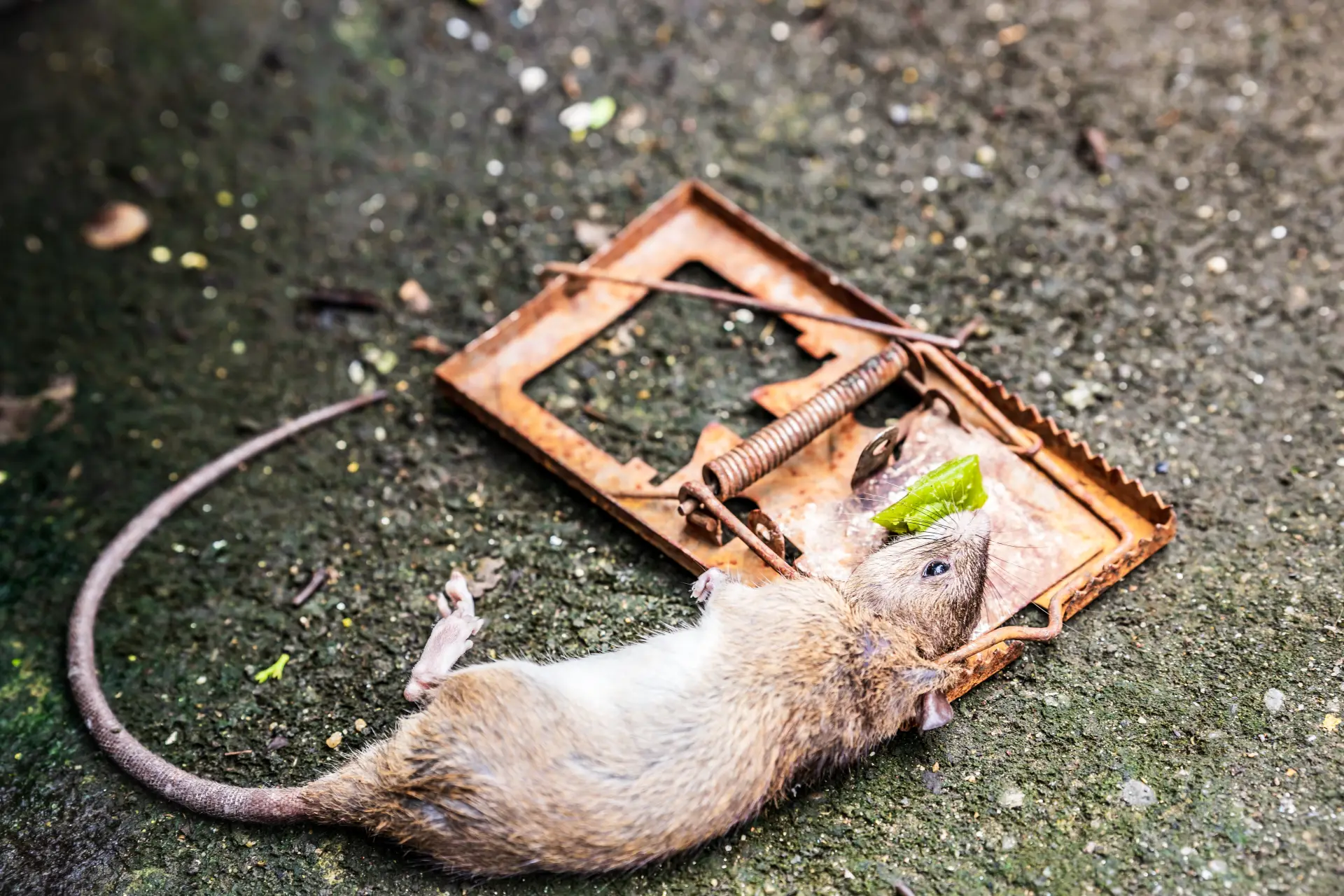
Why Professional Mouse Removal Beats DIY Every Time
Toronto homeowners spend millions annually on snap traps, glue boards, and retail rodenticide from hardware stores — yet mouse infestations persist and often worsen. The fundamental limitation of DIY mouse control is that it addresses the symptom (mice inside the home) without eliminating the cause (the entry points through which mice continuously enter). Trapping individual mice while dozens more enter nightly through unsealed gaps is an exercise in futility.
Professional mouse removal solves the problem comprehensively through a three-phase approach: elimination, exclusion, and documentation. Elimination involves strategic placement of professional-grade tamper-resistant bait stations and mechanical traps at all identified activity areas — not just the kitchen, but wall voids, basement perimeters, utility areas, and any space where mouse sign has been detected. Exclusion involves physically sealing all identified entry points with rodent-proof materials including galvanized steel mesh, metal flashing, and expandable foam reinforced with steel wool, preventing re-entry. Documentation provides the homeowner with a complete written record of all findings and treatment actions — useful for insurance claims, property transactions, and ongoing monitoring.
Bugsway technicians are trained in the biology and behaviour of house mice specific to Toronto's climate and housing types. We know that mice travel in the spaces between wall studs in balloon-frame Victorian homes, that they use utility chases in post-war bungalows, and that they enter Toronto condominiums through the gaps around pressurized gas lines where they penetrate foundation walls. This detailed knowledge of how mice move through Toronto's specific building types allows us to find and seal entry points that homeowners and general contractors routinely miss.
Ontario's Pesticides Act requires that professional-grade rodenticide formulations (second-generation anticoagulants) be handled exclusively by licensed pest control operators. The commercial-grade products Bugsway uses are significantly more effective at lower bait consumption compared to retail products, reducing the time to elimination and minimizing the risk of secondary poisoning to raptors and carnivores — a key environmental concern in Toronto's ravine and park-adjacent neighbourhoods.
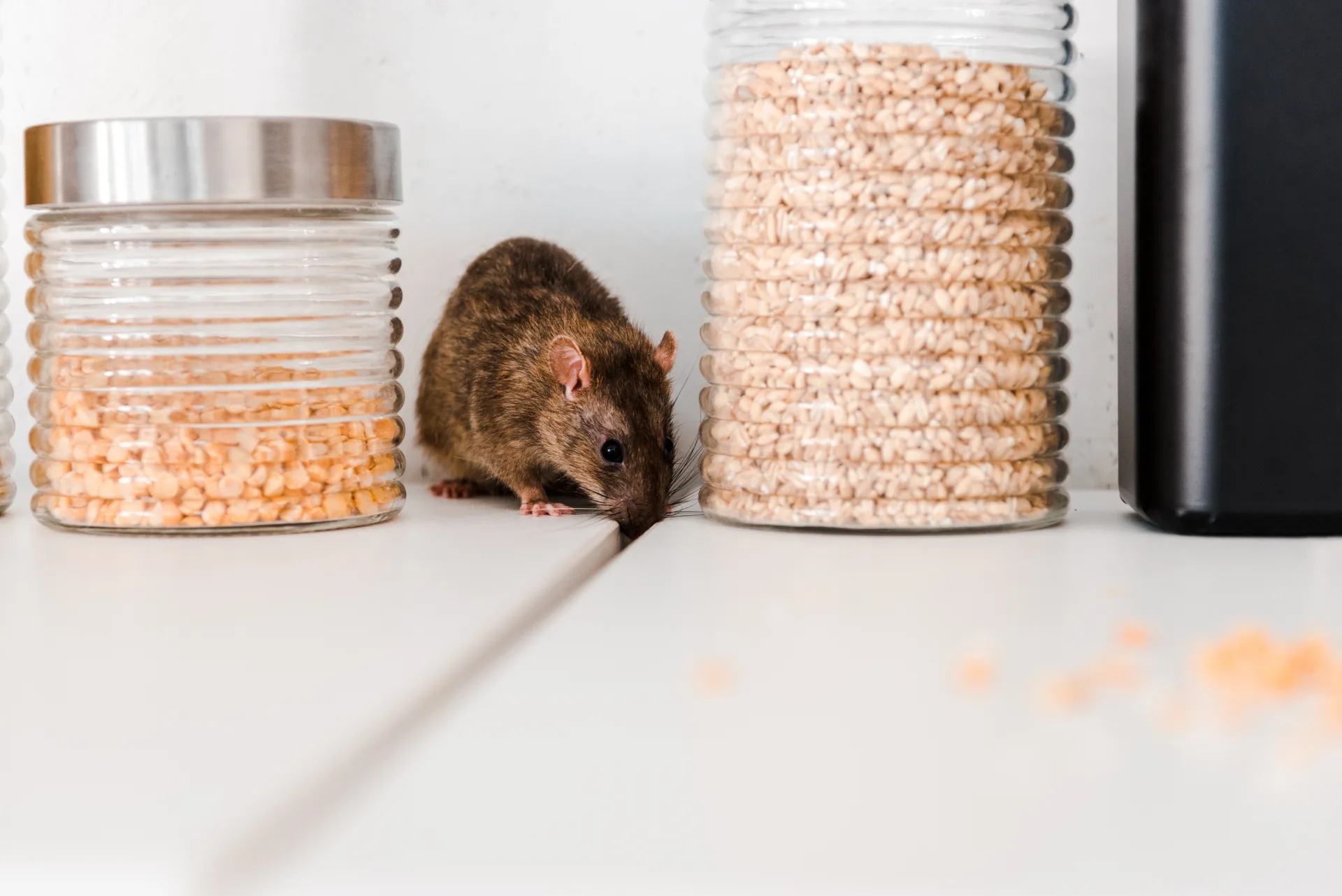
What's Included in Our Mouse Removal Service
Full Property Inspection
Systematic interior and exterior inspection identifying all mouse activity areas, droppings, rub marks, nest sites, and potential entry points throughout the property.
Tamper-Resistant Bait Stations
Professional-grade bait stations placed at all activity areas including wall voids, utility rooms, basement perimeters, and under appliances — inaccessible to children and pets.
Snap Trap Programme
Mechanical snap traps placed at high-activity locations for rapid initial reduction of population, checked and refreshed on follow-up visits.
Exclusion (Entry Point Sealing)
All identified entry points sealed with rodent-proof materials: galvanized mesh, metal flashing, steel wool-reinforced foam, and exterior caulking.
Decontamination Advice
Written guidance on safe clean-up of mouse droppings and urine-contaminated areas, with referrals to professional decontamination services for severe infestations.
90-Day Guarantee
Our comprehensive mouse removal service includes a 90-day re-treatment guarantee. If mice return within the warranty period, we come back at no additional cost.
Mice in Your Toronto Home? Act Before the Damage Grows.
Every day of inaction means more droppings, more gnawing, and more mice. Book Bugsway today for fast, guaranteed mouse removal.
Our Mouse Removal Process — Step by Step
Step 1 — Initial Inspection: Your Bugsway technician arrives and conducts a thorough inspection of all interior spaces where mouse activity is likely: kitchen (under and behind appliances, inside cabinets, under sink), utility room, basement perimeter, attic access points, and any areas where droppings or gnaw marks have been observed. We also inspect exterior foundation perimeter, utility entry points, and accessible roof areas for potential mouse highways.
Step 2 — Bait Station & Trap Placement: Based on the inspection, we place tamper-resistant bait stations and snap traps at all high-activity locations. Station placement follows a strategic pattern designed to intercept mice along their travel routes — typically along wall edges, under appliances, inside utility rooms, and within wall voids accessible through drill-access if required. We label and document the location of every station for follow-up tracking.
Step 3 — First Follow-Up (7–10 days): We return to check all stations and traps, remove any caught mice, replenish bait, and assess progress. This visit is critical for detecting activity patterns and adjusting station locations to maximize effectiveness. We photograph key areas to provide before/after documentation.
Step 4 — Exclusion Work: Once the active population is under control (typically after 2–3 weeks), we perform the exclusion phase: sealing all identified entry points with permanent, rodent-proof materials. We use galvanized steel mesh (hardware cloth), metal flashing, copper or stainless steel wool, and professional-grade exterior caulking. Each sealed location is documented with photographs in your service report.
Step 5 — Final Assessment & Guarantee Activation: A final inspection confirms no new mouse activity. We remove all trapping equipment and provide a comprehensive written report detailing all findings, treatments, exclusion work completed, and future prevention recommendations. Your 90-day guarantee begins from this date.
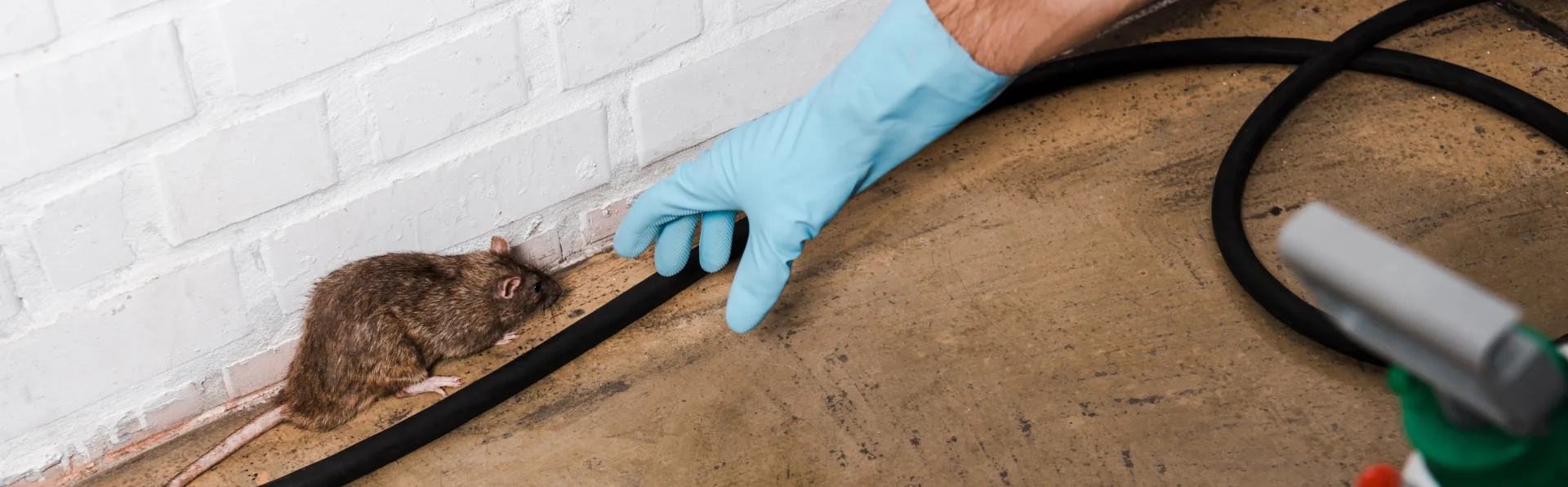
Mouse Removal Pricing in Toronto
Comprehensive pricing that includes elimination, exclusion, and follow-up. No hidden fees — all prices include HST.
Condo, townhouse, or early-stage infestation
- Full inspection
- Bait stations & traps
- Entry point report
- One follow-up visit
Larger home, active infestation + full exclusion
- Everything in Standard
- Full exclusion work
- Multiple follow-up visits
- 90-day written guarantee
Why Toronto Homeowners Trust Bugsway for Mouse Removal
Mouse removal is one of the most common calls Bugsway receives, and we have handled thousands of infestations across every type of Toronto property — Victorian row houses in Cabbagetown, high-rise condos in the Entertainment District, post-war bungalows in Etobicoke, and everything in between. This breadth of experience means our technicians arrive with specific knowledge of the structural vulnerabilities common to your type of home, not a generic checklist approach.
Our mouse removal programme is built on exclusion — physical sealing of entry points — because chemical control alone never provides lasting results. A home that has been properly excluded does not need ongoing chemical treatment. This philosophy, while it reduces our recurring revenue, is the right approach for homeowners and reflects the IPM principles endorsed by the Ontario Ministry of the Environment, Conservation and Parks.
We understand the anxiety and disruption that comes with discovering mice in your home, particularly for families with young children or immunocompromised household members. Our technicians are trained to be respectful of your living space, discrete in their work, and clear in their communication at every step. We don't judge, we don't alarm unnecessarily, and we provide realistic timelines and honest assessments of the work required.
Explore our complete rodent control services, including rat extermination for larger rodent problems and rodent proofing for permanent structural exclusion.
A Mouse-Free Home Starts with One Call
Fast, professional mouse removal with 90-day guarantee. Serving all Toronto neighbourhoods and GTA communities.
Related Rodent Control Services
Rat Extermination
Professional Norway rat and roof rat extermination with tamper-resistant bait stations and full exclusion services.
Learn MoreRodent Proofing
Permanent structural exclusion to seal all rodent entry points and prevent future infestations — the only long-term solution.
Learn MoreAll Rodent Control Services
View Bugsway's complete rodent control programme for Toronto homes, condos, and commercial properties.
View AllMouse Removal — Frequently Asked Questions
How do I know if I have mice in my Toronto home?
Common signs include droppings (small dark rice-shaped pellets) along baseboards and in cupboards, gnaw marks on food packaging or wiring, scratching or scurrying sounds in walls at night, nesting material made from shredded paper or insulation, and greasy rub marks along walls where mice repeatedly travel. A single mouse can produce 50–80 droppings per day, so even a small infestation leaves unmistakable evidence quickly.
Are mice dangerous to my family?
Yes. Mice transmit hantavirus, salmonella, listeria, and leptospirosis through droppings, urine, and direct contact. They also carry fleas, ticks, and mites into homes. Mouse gnawing on electrical wiring is a contributing factor in a significant portion of residential fires of unknown origin in Ontario. Health Canada recommends professional removal and decontamination for any mouse infestation where signs of activity are widespread.
Why do mice keep returning after I set traps?
Traps catch individual mice but do not address the entry points through which new mice continuously enter. A Toronto house can have dozens of entry points as small as 6 mm — the diameter of a pencil. Professional mouse removal includes a full exclusion survey and physical sealing of all entry points with rodent-proof materials, stopping re-infestation at the source permanently.
When is mouse season in Toronto?
Mouse intrusions into Toronto homes spike in September and October as temperatures drop. Mice move indoors seeking warmth and food. However, established indoor populations breed year-round — a single female mouse produces 5–10 litters of 4–8 pups annually. Winter is when most Toronto homeowners first notice activity in walls and kitchens, but the problem often started weeks or months earlier.
How do mice get into my house?
Mice enter through gaps as small as 6 mm around pipes, vents, foundation cracks, gaps under doors, garage door seals, utility penetrations, and roof-soffit junctions. Toronto row houses and semi-detached homes with shared walls allow mice to travel between units through shared utility chases. Older Toronto homes with stone or brick foundations typically have numerous small gaps that are difficult for homeowners to identify and seal independently.
How long does mouse removal take?
Initial treatment takes 60–90 minutes for an average Toronto home. Full elimination of an active infestation typically takes 2–4 weeks. Exclusion work (sealing entry points) is completed during a second visit and takes 2–4 hours depending on the number and accessibility of entry points. Our comprehensive programme includes all follow-up visits needed to achieve complete elimination.
Is mouse removal safe with children and pets at home?
Bugsway uses tamper-resistant bait stations that prevent access by children and non-target animals. Snap traps are placed in areas inaccessible to pets such as behind appliances and inside wall spaces. All products are Health Canada PMRA registered. We provide detailed safety instructions and product information sheets with every treatment so you know exactly what has been applied and where.
Do you offer mouse exclusion (proofing) services?
Yes. Bugsway provides full rodent exclusion services as part of our comprehensive mouse removal programme. This includes sealing gaps with galvanized steel mesh, expandable foam with steel wool inserts, metal flashing, and caulking at all identified entry points. Exclusion is the most important component of long-term mouse control and prevents re-infestation without ongoing chemical treatment.
Get Professional Mouse Removal Today
Serving Toronto, Scarborough, North York, Etobicoke, Mississauga, Brampton, Markham, and all GTA communities. Same-day appointments available.
House Mouse Biology: Why Toronto Homes Are So Vulnerable
The house mouse (Mus musculus) is the most common mammalian pest in Toronto homes and apartments. Mice reach reproductive maturity at 6 weeks of age, produce 5-10 litters per year with 4-8 pups per litter, and have a gestation period of only 19-21 days. A single female mouse that enters your home in October can — without intervention — become a colony of 30-50 mice by the following spring. This reproductive rate is why mouse populations seem to explode quickly and why a 'few mice' can become a serious infestation within weeks of first detection. Toronto's fall population influx (September-November) is the most critical treatment period.
Mice require only 3g of food and 1.5ml of water daily — enough to survive on crumbs and condensation. Their gnawing behaviour is driven not by hunger but by the biological need to wear down continuously growing incisors. This compulsive gnawing behaviour is what makes mice a fire hazard — they chew on electrical wiring insulation indiscriminately. The Ontario Fire Marshal's office cites rodent gnawing as a contributing factor in an estimated 25% of unexplained residential fires in the province. Beyond fire risk, mice contaminate food preparation surfaces with urine as they forage, spread Hantavirus through dried droppings, and leave urine scent trails that attract additional mice from outside.
Mouse Removal Methods: Trapping vs. Baiting
Two primary methods are used for mouse removal in Toronto homes: mechanical trapping and rodenticide bait stations. Mechanical trapping (snap traps, electronic kill traps) is the preferred method for residential interior use — captured mice are immediately confirmed dead and can be removed before decomposition occurs inside walls. Snap traps are the most cost-effective and reliable mechanical method when placed correctly: perpendicular to walls along mouse runways, in pairs spaced 5-8cm apart (because mice can jump over a single trap), in dark enclosed areas where mice travel. Bugsway inspects and services all trap locations at every follow-up visit.
Rodenticide bait stations contain anticoagulant or second-generation bait in tamper-resistant, key-locked housings. They are effective at killing mice that don't enter snap traps and are particularly useful in large properties, commercial buildings, and perimeter applications. The drawback in residential interior use is that mice die inside walls or inaccessible areas after consuming bait, causing decomposition odour that can last 1-4 weeks. Bugsway uses bait stations primarily in exterior perimeter and utility areas, with mechanical trapping preferred for interior living spaces. Both methods are deployed together for comprehensive coverage. We revisit every 5-7 days, remove captured mice, refresh bait, and reposition stations to maintain consistent capture pressure.
Mice in Rental Properties: Rights and Responsibilities
Ontario's Residential Tenancies Act (RTA) section 20 obligates landlords to provide and maintain rental units in a good state of repair and free from pest infestations. A landlord who receives written notice of a mouse infestation must arrange professional pest control within a reasonable timeframe — typically interpreted as within 7-14 days for active infestations. Failure to act allows tenants to file a T6 maintenance application with the Landlord and Tenant Board (LTB), potentially resulting in an order for rent abatement (reduction). Bugsway provides written inspection reports and service documentation formatted for LTB proceedings.
Tenant responsibilities include not creating conditions that contribute to infestation — leaving food unsecured, failing to report droppings promptly, blocking access for pest control technicians. Landlords who document pre-existing conditions, tenant-created conditions, and prompt response to complaints are in a stronger legal position. For property managers, Bugsway provides a standardized tenant communication protocol — written notice to neighbouring units, inspection scheduling letters, and service completion certificates — that creates a documented paper trail demonstrating due diligence in mouse infestation management across multi-unit buildings.
Frequently Asked Questions
Questions? Call 416-555-5555