Rodent Proofing Toronto
— Permanent Exclusion
Stop the cycle of recurring mouse and rat infestations forever. Bugsway's certified technicians find and seal every entry point in your Toronto home using professional-grade, rodent-proof materials — providing permanent protection without ongoing chemical treatment.
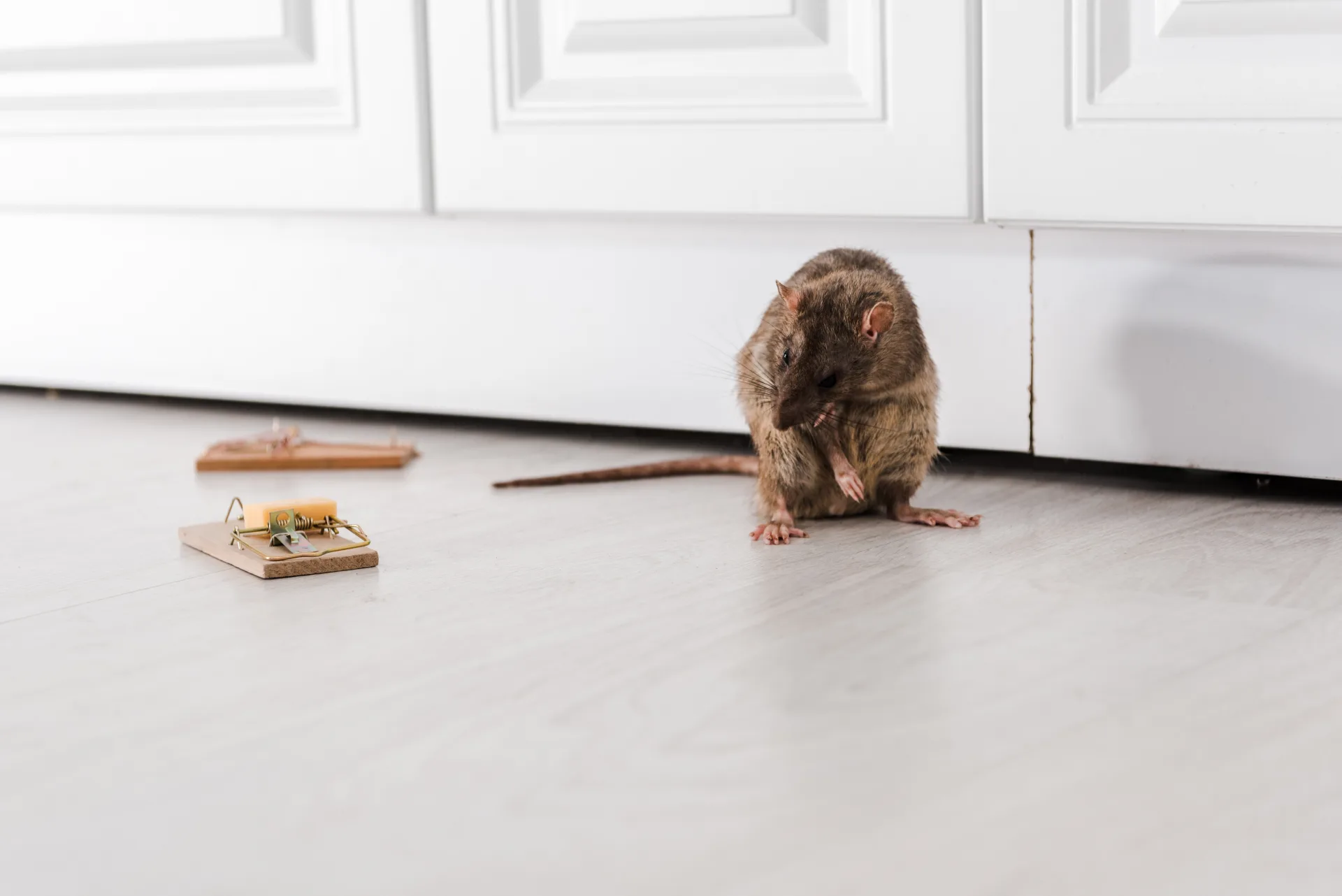
What Is Rodent Proofing and Why Is It the Only Permanent Solution?
Rodent proofing — also called exclusion — is the systematic identification and permanent sealing of all points through which mice and rats can enter a building. While chemical control (traps and rodenticide) addresses the rodents already inside a structure, exclusion addresses the root cause by physically preventing rodents from entering in the first place. It is the only approach that provides lasting, chemical-free protection from future infestations.
Toronto's housing stock presents particular rodent proofing challenges. The city's aging building inventory — much of it built before 1960 — features stone, brick, and poured-concrete foundations with decades of accumulated gaps, cracks, and settled joints. Modern Toronto semi-detached and detached homes in Leaside, Forest Hill, and Lawrence Park have complex exterior profiles with dozens of potential entry points including chimney flashing gaps, soffit penetrations, weep holes, and utility entries. Even new Toronto condominiums and townhomes have loading dock areas, underground parking levels, and utility chases that create rodent access routes if not properly managed.
A house mouse can enter through a gap as small as 6 mm — the diameter of a pencil eraser. Norway rats require a gap of at least 12 mm but can enlarge smaller openings through gnawing. This means that simply inspecting for 'obvious' holes misses the vast majority of actual entry points. Professional exclusion requires a systematic, trained inspection of every surface and penetration, not a casual walk-around assessment.
According to Health Canada's Integrated Pest Management guidelines, exclusion is the preferred long-term rodent management strategy, recommended ahead of chemical control as the primary method of prevention in residential settings. Our programme fully reflects this IPM approach — we prioritize physical exclusion and use chemical treatment only where needed during the active elimination phase.
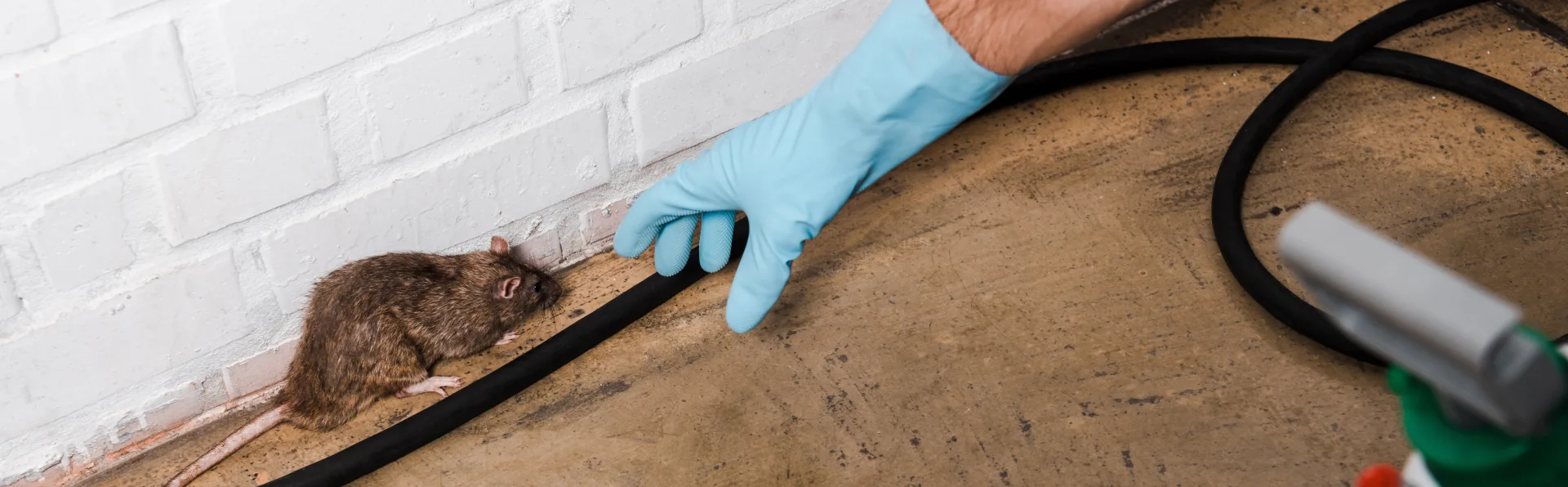
Why Professional Rodent Proofing Outperforms DIY Every Time
Many Toronto homeowners attempt DIY rodent proofing by caulking obvious gaps around pipes and stuffing steel wool in visible holes — then find mice back in the kitchen within weeks. The problem is almost always incomplete exclusion: a missed gap behind an appliance, an unsealed weep hole, a gap under the front door threshold that is 7mm instead of 5mm. A single missed entry point is all a mouse needs to make a home your home.
Professional rodent proofing is comprehensive and methodical. Bugsway technicians use a standardized 67-point inspection checklist developed from years of Toronto-specific exclusion experience. We inspect and assess every exterior foundation surface, every utility penetration (gas, water, electrical, cable, telephone), every vent and grille, every door and window threshold, all soffit and fascia junctions, roof flashing, chimney gaps, and any structural feature where a gap could exist. This inspection typically identifies 15–50 individual points requiring attention in an average Toronto detached home.
The materials used for professional exclusion are critical. Mice chew through ordinary caulk, foam, and plastic within hours. Rats can gnaw through wood, thin sheet metal, and soft concrete. Effective exclusion requires materials that rodents cannot defeat: galvanized hardware cloth (minimum 19 gauge), stainless steel or copper wool packed tightly in voids, metal kick plates on door bases, and concrete patch compound for foundation gaps. We carry and apply all of these materials in a single visit, not a trip to the hardware store followed by multiple return visits.
Finally, professional exclusion is documented. Every sealed point is recorded in your service report with location description and photograph. This documentation is valuable for insurance claims, property transactions, and ongoing maintenance planning. It also allows us to quickly return to any specific location if you report future activity, dramatically reducing diagnostic time on any follow-up work needed.
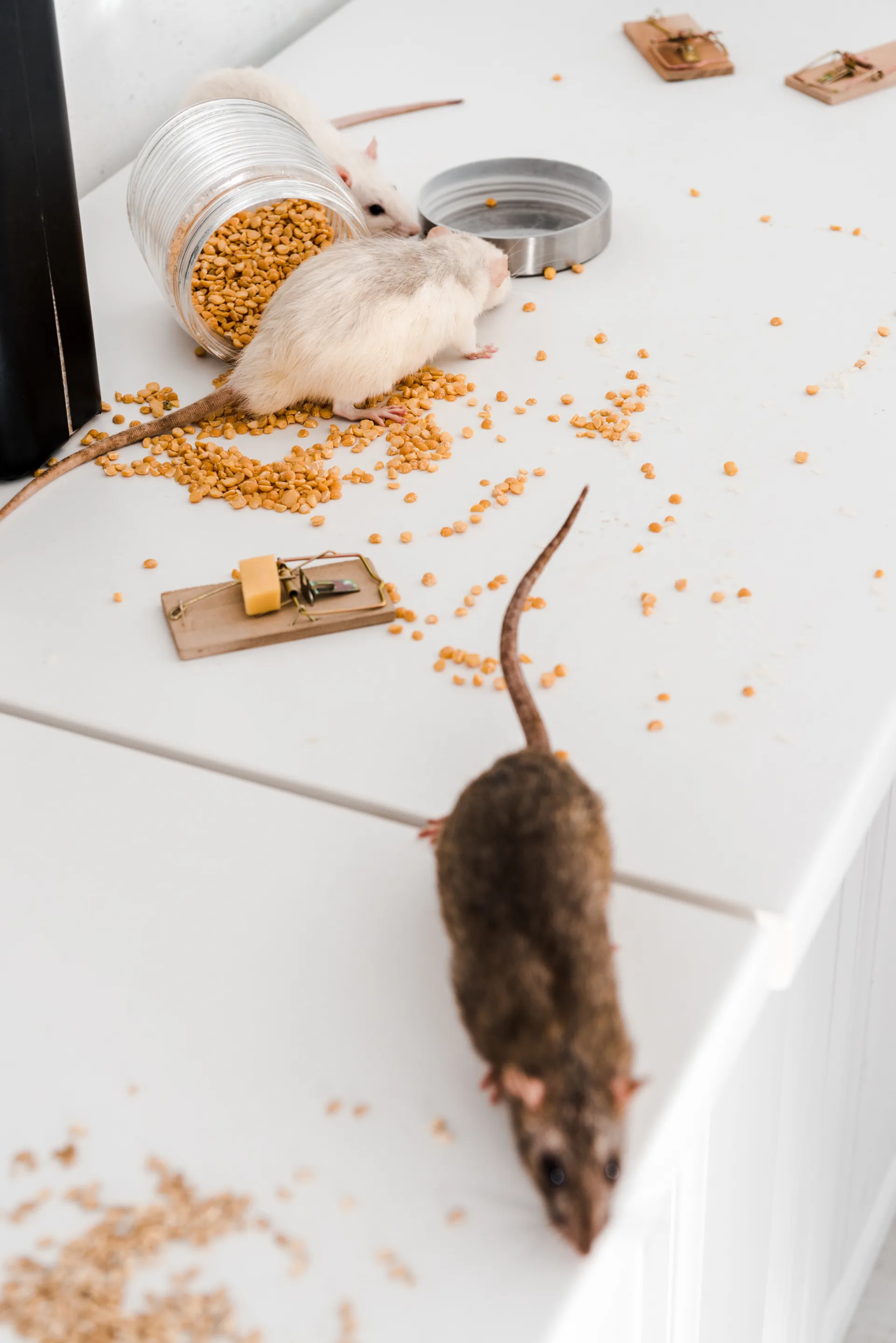
What's Included in Our Rodent Proofing Service
67-Point Exclusion Inspection
Systematic inspection of all 67 potential entry zones including foundation, utilities, vents, doors, windows, roof lines, and all penetrations — nothing is missed.
Metal Mesh Installation
19-gauge galvanized hardware cloth cut and fitted to all identified gaps, attached with corrosion-resistant fasteners for permanent, gnaw-proof coverage.
Steel Wool & Foam Sealing
Stainless steel or copper wool packed into smaller gaps and voids, secured with rodent-proof expandable foam rated for permanent exclusion applications.
Exterior Caulking & Flashing
Professional exterior-grade silicone caulking and metal flashing applied at all foundation-wall junctions, utility penetrations, and structural gaps.
Photographic Documentation
Every sealed entry point is photographed and recorded in your written service report, providing a complete exclusion record for insurance, real estate, and future maintenance.
1-Year Workmanship Warranty
All rodent proofing work is covered by a 1-year workmanship warranty — if any sealed point fails due to our materials or application within 12 months, we repair it at no cost.
Stop Rodents from Re-entering Your Toronto Home
Professional exclusion seals every entry point permanently. No more repeated treatments — just lasting protection.
Our Rodent Proofing Process — Step by Step
Step 1 — Pre-Exclusion Confirmation: We confirm that the active rodent infestation has been fully eliminated before any exclusion work begins. Sealing entry points with rodents still active inside traps the animals in the structure, creating a bigger problem. If you are booking exclusion as a preventive measure (no current infestation), this confirmation step is conducted through a brief inspection to rule out any current activity.
Step 2 — Comprehensive Exclusion Inspection: Using our 67-point inspection protocol, we systematically examine every external surface of your building including foundation perimeter, all utility entry points, vents and grilles, door and window thresholds, soffit and fascia junctions, roof flashing, chimney areas, garage doors, and any areas of building damage or deterioration. Each identified gap is measured, assessed for risk level, and documented with a photograph.
Step 3 — Material Selection & Preparation: Based on the inspection, we select the appropriate sealing material for each identified gap: hardware cloth for larger openings, steel wool for irregular voids, metal flashing for structural junctions, and exterior silicone caulk for cracks and joints. All materials are prepared in advance to ensure a complete, efficient installation during the service visit.
Step 4 — Exclusion Installation: Working systematically around the building, we seal every identified point using professional-grade materials. Hardware cloth is cut to size, shaped, and fastened with galvanized screws or construction adhesive. Steel wool is packed tightly and covered with rodent-proof foam. Caulking is applied with a professional gun and tooled for weather resistance. All work is photographed at completion for your service record.
Step 5 — Final Walk-Through & Documentation: We walk you through all completed exclusion points, explain the materials used, and provide the photographic service report. We identify any areas where building maintenance (such as repairing rotted fascia or repointing brickwork) is needed to support long-term exclusion integrity, and provide written recommendations for these repairs.
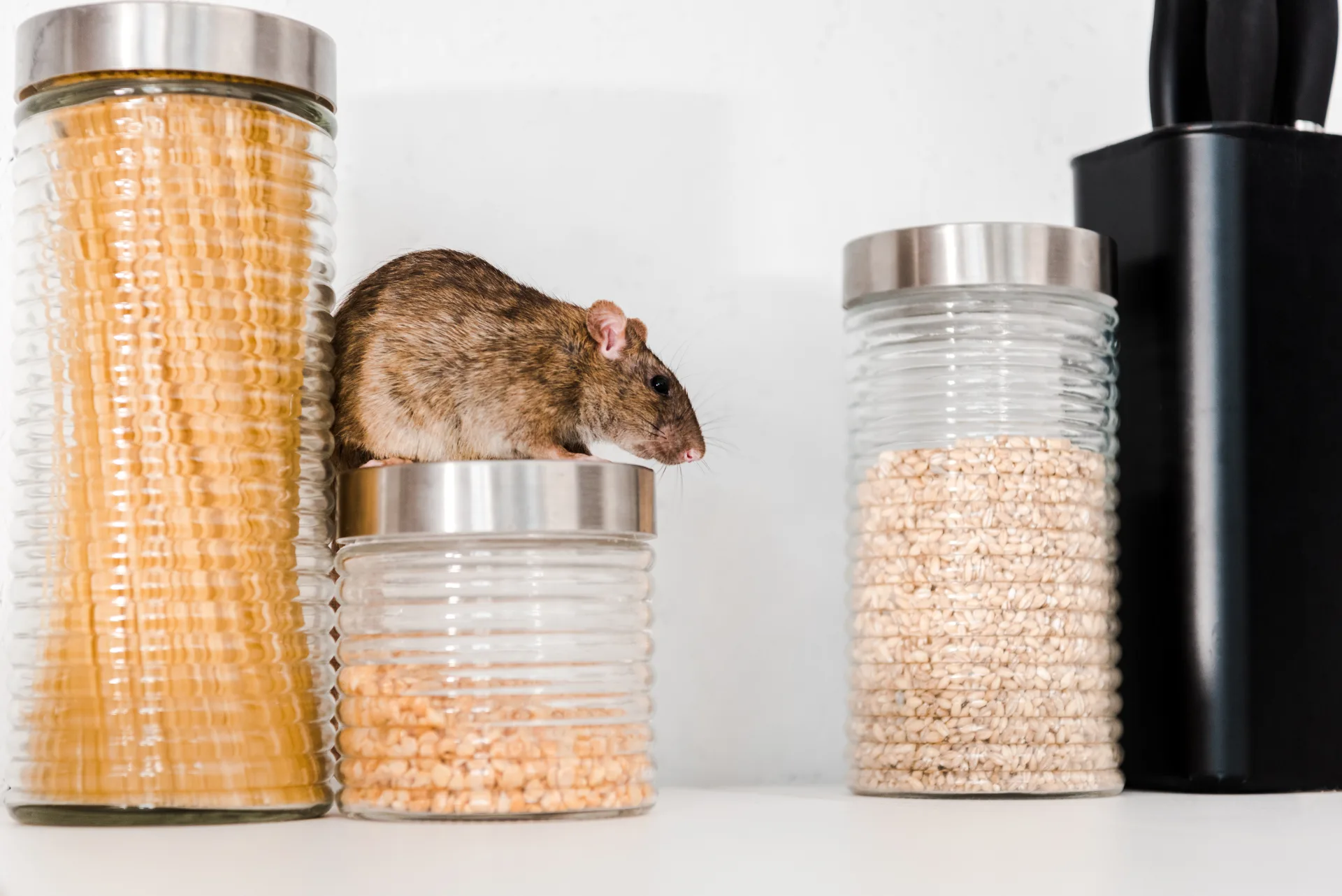
Rodent Proofing Pricing in Toronto
One-time investment for permanent protection. Pricing based on property size and number of entry points. All prices include HST.
Condo, townhouse, or newer detached home
- Full exclusion inspection
- Up to 20 sealing points
- Photographic report
- 1-year workmanship warranty
Older / larger home, 20+ sealing points
- Everything in Standard
- Unlimited sealing points
- Metal flashing installation
- 1-year workmanship warranty
Why Bugsway Is Toronto's Trusted Rodent Proofing Specialist
Bugsway has completed rodent proofing projects on thousands of Toronto homes across every era of construction — from 1880s Victorian brick row houses in Cabbagetown to 1950s post-war bungalows in Etobicoke to modern infill townhomes in Leslieville. This breadth of Toronto-specific experience means our technicians approach each property with an understanding of the typical failure points for that construction type, rather than a one-size-fits-all checklist.
We invest in the highest quality exclusion materials available. Our galvanized hardware cloth meets ASTM A 740 standards for zinc coating thickness. Our expanding foam is a professional polyurethane formulation rated for rodent exclusion applications, not retail expanding foam from a hardware store. These material quality differences are what separate exclusion that lasts for years from exclusion that fails within months.
Bugsway's rodent proofing service is fully documented with photographs, making it uniquely valuable for multiple purposes beyond simply stopping rodents: home insurance claims documentation, due diligence for home buyers, strata and property management compliance records, and future contractor reference when renovation work needs to preserve exclusion integrity. Several Toronto real estate professionals recommend our exclusion reports as part of pre-listing property preparation.
Complete your rodent management programme with our mouse removal service or rat extermination programme, and visit our rodent control overview for the full range of protection options.
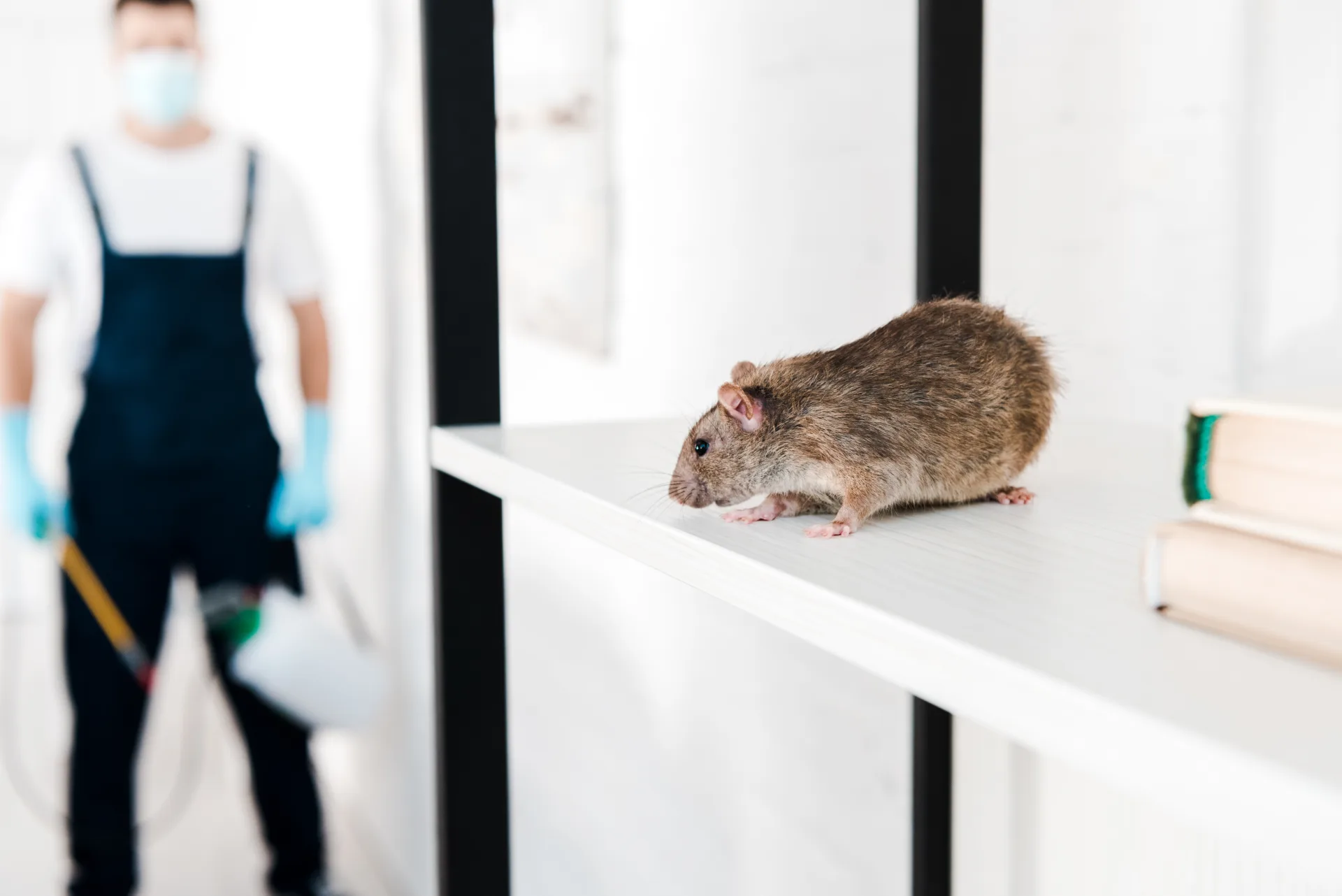
Invest Once. Stay Rodent-Free Permanently.
Professional rodent proofing with 1-year workmanship warranty. Serving all Toronto and GTA communities.
Related Rodent Control Services
Mouse Removal
Professional mouse elimination with tamper-resistant bait stations, trapping, and 90-day guarantee.
Learn MoreRat Extermination
Comprehensive rat elimination with professional bait programme, burrow treatment, and full exclusion.
Learn MoreAll Rodent Control
Explore Bugsway's complete rodent management programme for Toronto homes and businesses.
View AllRodent Proofing — Frequently Asked Questions
What is rodent proofing?
Rodent proofing (exclusion) is the physical sealing of all gaps, cracks, and openings through which mice and rats can enter a building. Unlike chemical control, exclusion provides permanent protection by removing the rodents' ability to access the structure. It is the most durable, long-term solution for rodent prevention and the approach recommended by Health Canada's Integrated Pest Management guidelines.
What materials are used for rodent proofing?
Professional rodent proofing uses galvanized steel hardware cloth (minimum 19-gauge), stainless steel or copper wool, metal flashing, concrete patching compound, and exterior-grade silicone caulking. These materials are selected for their resistance to gnawing — mice can gnaw through ordinary foam, caulk, and plastic within hours. Only metal-based exclusion materials provide lasting, permanent protection.
How do you find all the entry points?
Bugsway technicians use a standardized 67-point inspection protocol covering all exterior foundation surfaces, utility entry points, vents, roof-soffit junctions, and any structural penetration. We use UV light to detect rodent urine trails indicating entry routes, and probing tools to assess gap sizes. For older Toronto homes, this inspection typically identifies 15–40 individual entry points.
How long does rodent proofing last?
Professional rodent proofing with metal-based materials typically lasts 5–15 years depending on building materials, settlement, and maintenance. We recommend an annual exterior inspection to check for new gaps created by building movement, contractor work, or caulking deterioration. Our 1-year workmanship warranty covers any sealed points that fail within the first year of service.
Do I need to remove the rodents before proofing?
Yes. Proofing should always be completed after an active infestation has been eliminated. Sealing entry points while live rodents are still inside traps them within the structure — this does not resolve the infestation and creates additional problems. Bugsway always completes the elimination phase first, confirms the interior is rodent-free, then performs exclusion work.
Can rodent proofing be done on older Toronto homes?
Yes. Older Toronto homes — particularly Victorian and Edwardian semi-detached properties common in Parkdale, the Annex, and East York — often have more complex exclusion challenges due to original stone or brick foundations, balloon-frame construction, and decades of accumulated utility penetrations. Our technicians have extensive experience with exclusion on these property types and develop custom solutions for complex foundation profiles.
Will rodent proofing affect the appearance of my home?
We use materials and application methods designed to be as unobtrusive as possible. Exterior caulking is colour-matched where practical, mesh installations are flush to building surfaces, and all work is completed with professional finishing quality. We photograph all sealed points so you have a complete record of exactly what was done and where, and can review the work quality at any time.
Is rodent proofing worth the investment?
Absolutely. The average Toronto homeowner dealing with recurring mouse infestations spends $300–$600 annually on repeated treatments. A single comprehensive rodent proofing service eliminates the need for ongoing chemical treatment and prevents wiring, insulation, and food contamination damage. It is consistently the most cost-effective long-term rodent management strategy available.
Get Professional Rodent Proofing Today
Serving Toronto, Scarborough, North York, Etobicoke, Mississauga, Brampton, Markham, and all GTA communities.
The Most Common Rodent Entry Points in Toronto Homes
After inspecting thousands of Toronto homes and commercial properties, Bugsway has identified the most common rodent entry points by frequency. The top five in older Toronto housing stock are: (1) gaps around water supply and drain pipes where they penetrate the foundation or basement floor — often left unsealed after plumbing work; (2) gaps at the sill plate where the wood framing sits on the foundation — common in older homes where mortar has deteriorated or where the sill plate has experienced moisture damage; (3) weep holes in brick veneer construction — the 10mm gaps intentionally left between bricks to allow moisture drainage — some builders cover these with mesh, but mesh that hasn't been properly sized allows mice through; (4) openings at the base of garage doors — garage door bottom seals deteriorate and are often not replaced; (5) gaps around electrical conduit and HVAC line sets penetrating exterior walls.
Less common but high-severity entry points include: vents without intact screening (clothes dryer vents, bathroom exhaust vents, attic vents — these are primary routes for squirrels, raccoons, and occasionally mice into attic spaces); deteriorated soffits and fascia on older homes providing access to the attic; crawlspace vents with screens removed or damaged; gaps in older gas line and cable TV conduit penetrations; and openings at plumbing stack flashings on the roof. Bugsway's exclusion audit documents each entry point found with a photograph, location description, and recommended repair method — providing a comprehensive property-level exclusion map that guides both our sealing work and any contractor referrals.
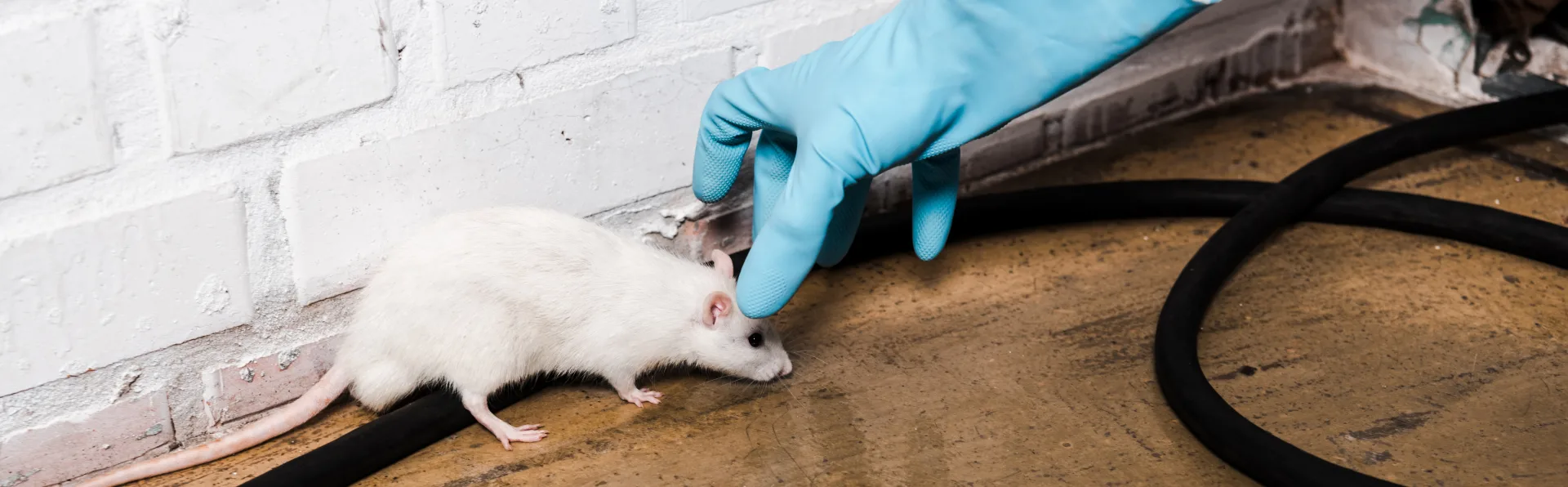
Rodent-Proofing Materials: What Actually Keeps Rodents Out
Not all gap-sealing materials resist rodent entry. Mice and rats chew through expanding foam, soft caulk, wood filler, and standard weatherstripping — these materials provide cosmetic coverage but do not constitute a rodent exclusion. Materials that resist rodent gnawing are: copper mesh (coarser than steel wool, which compresses and rusts quickly), galvanized steel hardware cloth (welded wire mesh with openings no larger than 6mm for mice, 12mm for rats), sheet metal flashing (used at door thresholds, downspouts, and deck ledger boards), and rodent-resistant expanding foam containing deterrent additives (not standard expanding foam). Bugsway uses a combination of these materials appropriate to each entry point's size, location, and structural context.
For larger structural gaps — deteriorated weep holes in brick veneer, gaps at foundation sill plates, openings around older drain pipes — the repair approach must consider both rodent exclusion and building envelope integrity. Bugsway seals gaps with rigid materials (steel mesh backed with mortar, sheet metal, or caulk) where structural conditions allow. For entry points requiring masonry repair, concrete patching, or carpentry beyond our scope, we provide written repair specifications that the property owner can provide to a contractor — ensuring the contractor understands the rodent exclusion requirement, not just the cosmetic repair. Permanent exclusion prevents the cycle of repeated treatments and re-infestation that reactive-only rodent control creates.
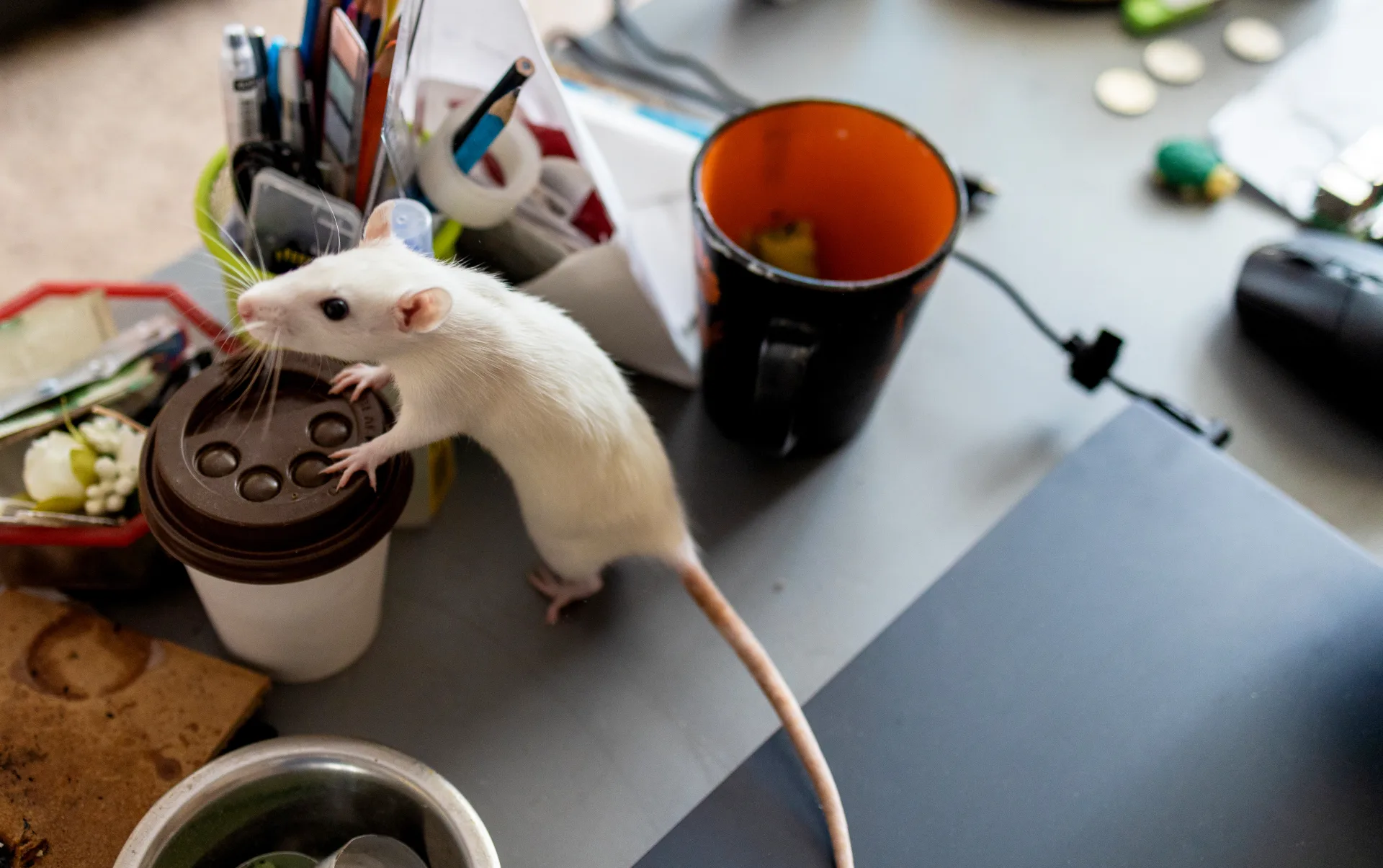
Rodent Proofing for Restaurants and Commercial Properties
Commercial property rodent proofing addresses both the building envelope and operational entry points that residential exclusion does not encounter. Loading dock doors — particularly dock leveller gaps at the sides and the threshold gap when the leveller is raised — are the primary rodent entry point for commercial properties. Dock seals and dock leveller brush seals close these gaps when the dock is in use, but rodents enter during the period between truck arrivals when dock doors are left open. Standard control measures include: spring-loaded dock door sweeps, brush seal installation along dock leveller sides, and ensuring dock doors are kept closed when not actively in use.
For restaurants, the critical exclusion points differ from offices: floor drain covers with covers intact (rats are excellent swimmers and can enter through floor drain connections to the sewer system), the gap between the hood exhaust duct and the roof penetration, gaps around gas line penetrations at the exterior, and the threshold gap at the back door (often propped open during kitchen operations for ventilation). CFIA and DineSafe inspectors note inadequate exclusion at these points as structural infractions. Bugsway's commercial exclusion audit documents all structural deficiencies with photographs and provides a corrective action report formatted for regulatory inspectors — demonstrating that the property owner is actively addressing structural rodent entry points.
Frequently Asked Questions
Questions? Call 416-555-5555