Rat Extermination
Toronto & GTA
Toronto's rat population is growing — sewer disruption, construction, and urban composting have created ideal conditions. Bugsway's certified technicians eliminate Norway and roof rat infestations quickly and permanently with professional-grade treatments and full exclusion.
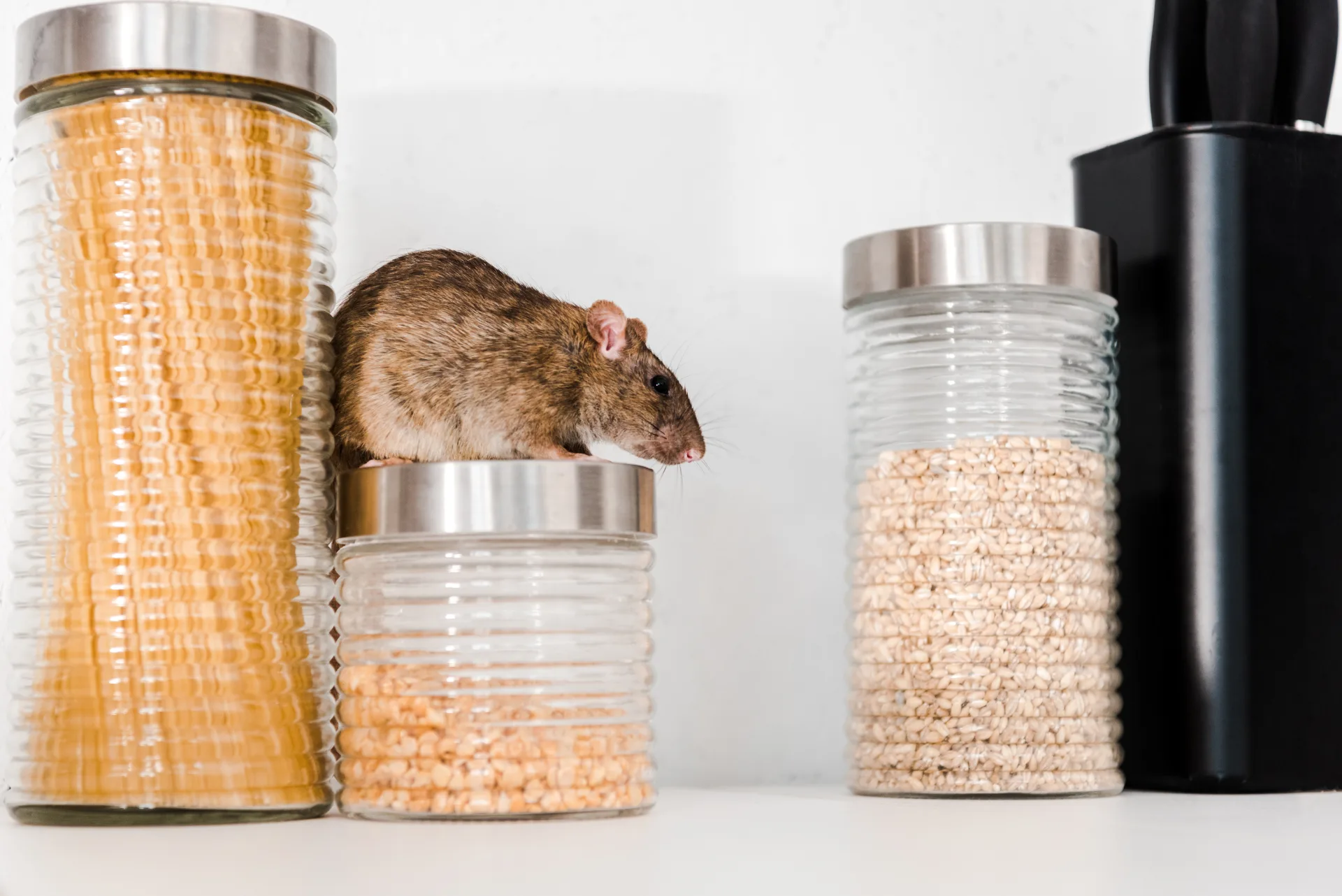
Toronto's Growing Rat Problem — What Every Homeowner Needs to Know
The Norway rat (Rattus norvegicus), also known as the brown rat or sewer rat, is Toronto's primary rat pest. These large rodents — weighing up to 500 grams and measuring up to 40 cm including the tail — are powerful burrowers that establish nests underground, beneath concrete slabs, under sheds, and within building walls. Toronto's sewer system serves as a massive highway network for Norway rats, allowing them to travel between properties and emerge in unexpected locations throughout the city.
Toronto's rat population has grown significantly in recent years, driven by a combination of factors: major infrastructure construction projects displacing established sewer colonies, the expansion of green bin organics programmes creating abundant accessible food, increased outdoor dining waste from restaurant patios, and the general densification of the city bringing more food waste into smaller geographic areas. The City of Toronto receives thousands of rat complaints annually, with Parkdale, East York, Roncesvalles Village, and Chinatown among the most affected residential areas.
Signs of rat activity are more pronounced than those of mice due to the animals' larger size. Rat burrows (3–8 cm diameter holes) in soil near foundations, under decks, and along retaining walls are a primary indicator. Inside buildings, look for large gnaw marks on structural wood, pipes, and wiring (rats can chew through copper pipe); large cylindrical droppings (12–20 mm) near food storage; greasy dark rub marks along wall edges; and the sound of heavy movement in wall cavities and sub-floor spaces at night.
According to Health Canada, rats are among the most significant urban pest health threats in Canadian cities, capable of transmitting leptospirosis, rat-bite fever, salmonella, and hantavirus. Leptospirosis, transmitted through rat urine contaminating water and soil, has been documented in Toronto's ravine system and is a genuine health risk for residents with dogs that frequent city parks.
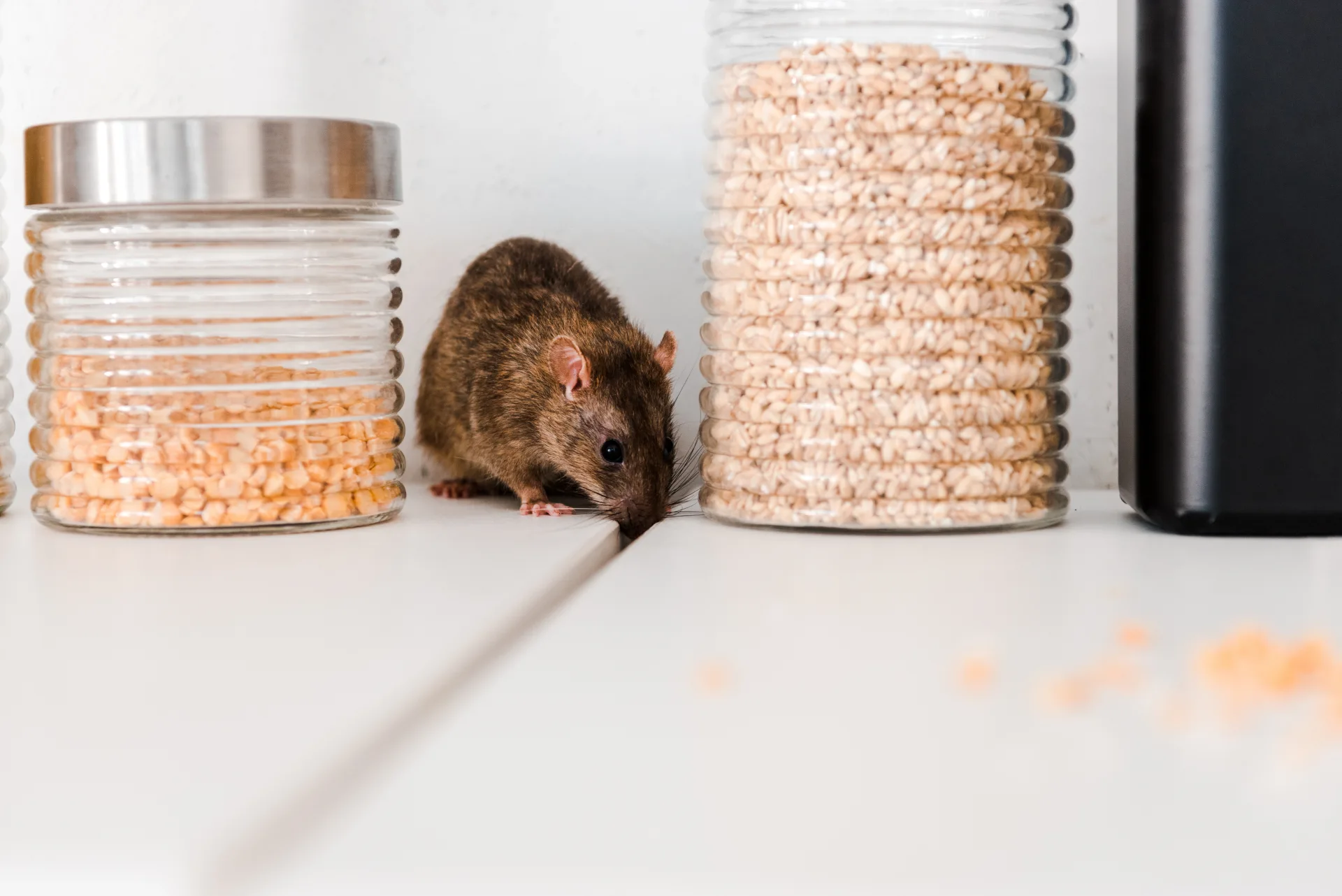
Why Professional Rat Extermination Is Non-Negotiable
Rats present unique challenges compared to mice that make DIY extermination particularly ineffective. Norway rats are neophobic — they instinctively avoid new objects placed in their environment, including snap traps and bait stations, for days or weeks after introduction. This neophobia means that improperly placed DIY traps are simply bypassed by rats who route around them until the new object becomes familiar. Professional technicians use pre-baiting protocols and proper station placement that account for rat neophobia, dramatically accelerating bait acceptance.
Ontario's Pesticides Act restricts second-generation anticoagulant rodenticides — the most effective class of professional rat bait — to licensed pest control operators only. These products, which are significantly more potent than retail alternatives, require professional application knowledge to use effectively while minimizing risk to non-target wildlife. Given that Toronto's ravines support populations of red-tailed hawks, barred owls, red foxes, and other rat predators, responsible rodenticide management is critical — and is something Bugsway takes seriously through the use of secured bait stations and regular station servicing to remove consumed bait promptly.
Rat extermination without exclusion is a temporary measure at best. Toronto's sewer system contains an essentially unlimited reservoir of Norway rats that will re-colonize any suitable building within weeks of population reduction. Our comprehensive programme always concludes with thorough exclusion work — sealing sewer line connections, foundation gaps, and all structural vulnerabilities — combined with burrow treatment to eliminate exterior nesting sites adjacent to the building.
For properties with sewer-connected rat entry, Bugsway coordinates with licensed plumbers to assess and repair compromised drain lines, ensuring that the sewer system access route that enabled the original infestation is permanently closed. This level of comprehensive, coordinated service is simply not available through DIY approaches.
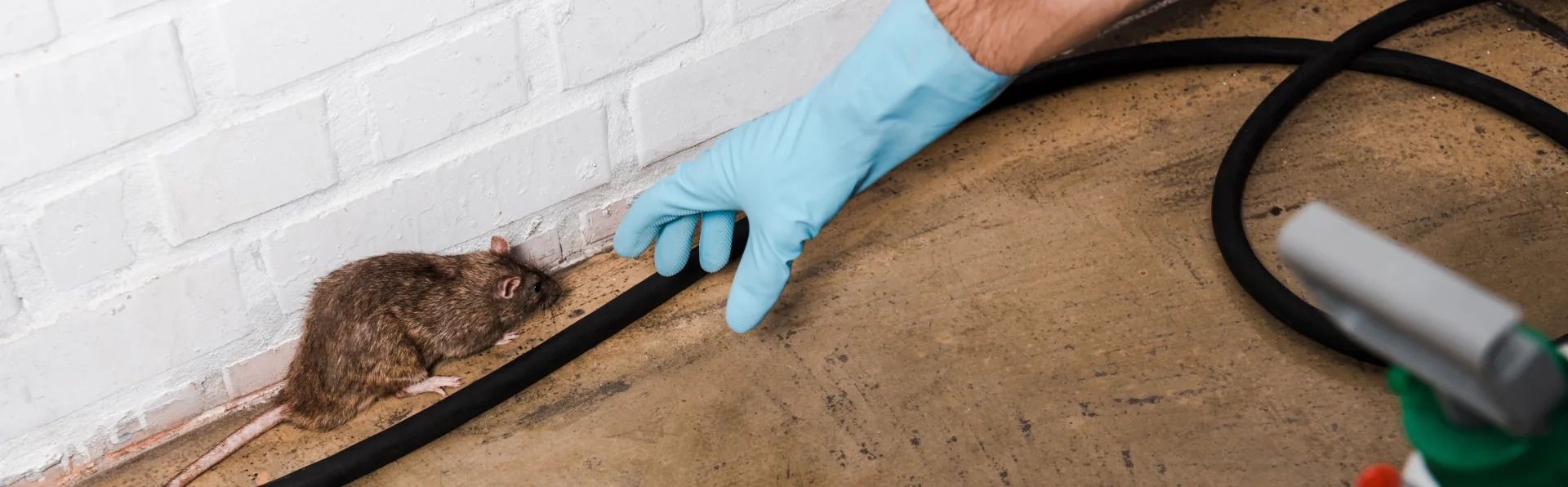
What's Included in Our Rat Extermination Service
Rat Activity Assessment
Full inspection of interior and exterior areas, documenting all burrows, runways, gnaw damage, droppings, and rub marks to map the full extent of the infestation.
Professional Bait Station Programme
Tamper-resistant, secured bait stations placed at interior and exterior activity sites, serviced on multiple follow-up visits over a 6-week elimination programme.
Burrow Treatment
Exterior rat burrows treated with rodenticide dust or gas cartridges and back-filled to eliminate underground nest populations adjacent to the building.
Structural Exclusion
All identified rat entry points sealed with heavy-gauge steel mesh, metal flashing, and rodent-proof caulking rated for rat gnaw resistance.
Multiple Follow-Up Visits
Minimum 3 follow-up visits over 6 weeks to service bait stations, confirm elimination progress, and adjust treatment if needed before exclusion is finalized.
90-Day Guarantee
Every rat extermination programme includes a 90-day written guarantee. If rats return within the warranty period, we return at no additional charge.
Rats in Your Toronto Home or Property? Don't Wait.
Rat infestations grow rapidly and cause serious structural damage. Book Bugsway today for professional, guaranteed rat extermination.
Our Rat Extermination Process — Step by Step
Step 1 — Initial Inspection & Assessment: Our technician documents all signs of rat activity including burrows, runways (worn paths in grass or along walls), gnaw damage, droppings, and rub marks. We assess exterior harborage sites, inspect accessible interior spaces, and evaluate likely entry points. This assessment determines the treatment programme scope and timeline.
Step 2 — Bait Station Installation: Tamper-resistant, secured bait stations are placed at all identified activity areas — interior wall perimeters, utility rooms, basements, exterior foundation perimeter, and at or near burrow entrances. We use pre-feeding protocols where needed for neophobic rats, placing unbaited stations first to allow acclimatization before bait is introduced, significantly improving acceptance rates.
Step 3 — Burrow Treatment: Active exterior burrows are treated with rodenticide dust or CO2 gas cartridges applied directly to burrow systems, targeting rats sheltering in underground galleries adjacent to the building. Treated burrows are back-filled with compacted soil or gravel to monitor for re-excavation.
Step 4 — Follow-Up Programme (Weeks 2, 4, 6): We return three times over a 6-week period to service bait stations, remove any dead rodents from accessible areas, replenish bait, and assess progress. At each visit we adjust station placement based on observed activity patterns to maximize efficiency.
Step 5 — Exclusion & Final Report: Once elimination is confirmed, we complete exclusion work sealing all identified entry points with heavy-gauge materials. A comprehensive written report is provided documenting all findings, treatments, exclusion work, and recommendations for ongoing prevention. Your 90-day guarantee activates from the date of final exclusion completion.
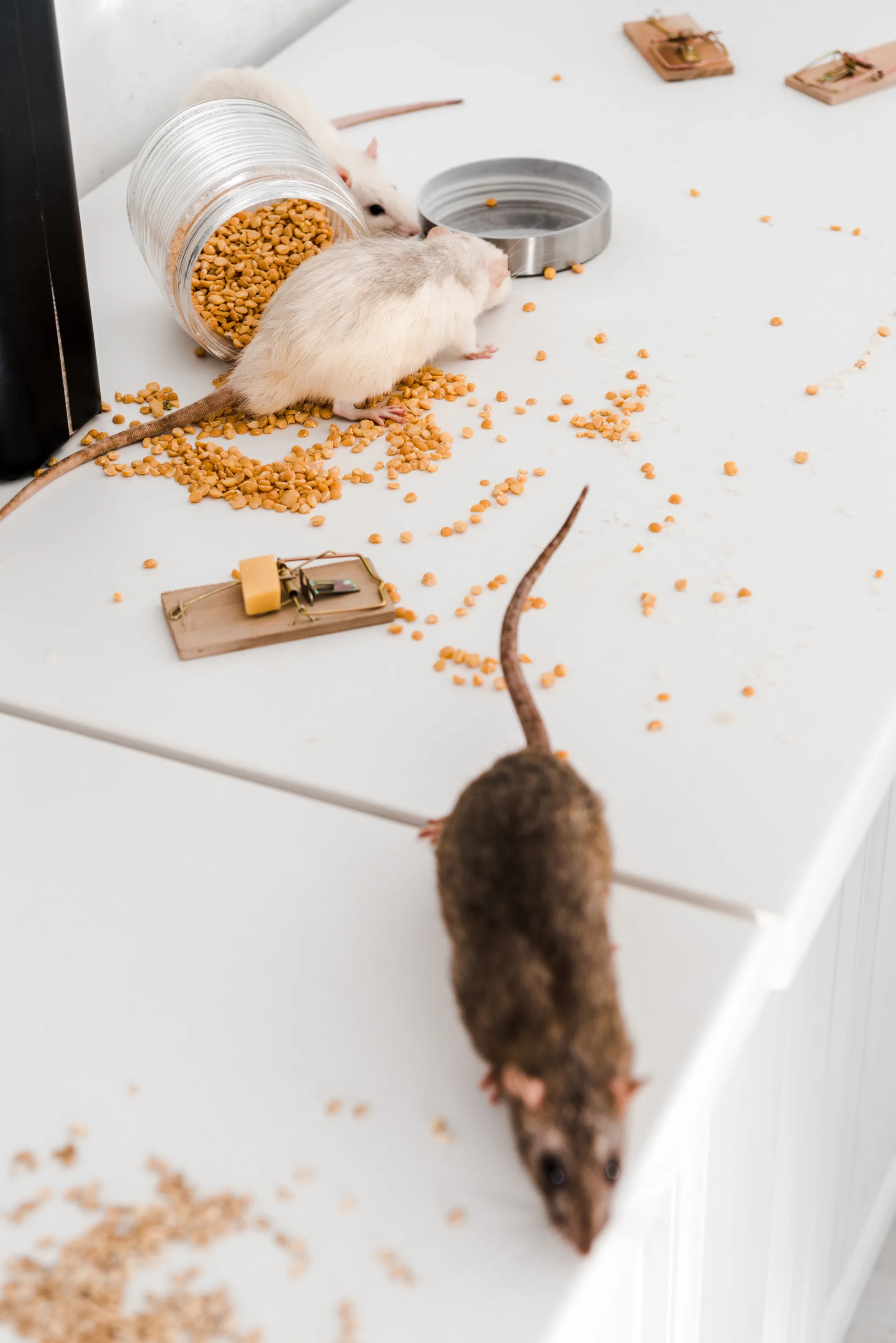
Rat Extermination Pricing in Toronto
Comprehensive pricing including all follow-up visits, bait station servicing, and exclusion work. All prices include HST.
Residential property, early-stage infestation
- Full rat activity assessment
- Bait station programme
- 2 follow-up visits
- Entry point report
Full elimination + exclusion + 90-day guarantee
- Everything in Standard
- Burrow treatment included
- Full structural exclusion
- 3 follow-up visits
- 90-day written guarantee
Why Toronto Chooses Bugsway for Rat Extermination
Rat extermination is among the most demanding services in pest control, requiring specific technical knowledge, appropriate professional-grade materials, and systematic follow-through over weeks rather than days. Bugsway has built its rat extermination programme on the rigorous service standard that this challenging pest demands — every programme includes a minimum of three follow-up visits, comprehensive exclusion work, and a full written guarantee.
We take secondary poisoning risk seriously. All of our exterior bait stations are anchored and locked to prevent non-target access. We conduct regular servicing visits to remove consumed bait promptly, reducing the window during which poisoned rats are accessible to predators. In Toronto's ecologically sensitive ravine-adjacent neighbourhoods, we use first-generation anticoagulant products where appropriate and apply IPM principles to minimize chemical load while maintaining effectiveness.
Bugsway provides comprehensive written service reports with every rat extermination programme — documenting inspection findings, treatment locations, bait product PMRA numbers, exclusion work completed with photographs, and follow-up visit dates and results. This documentation has proven invaluable for clients navigating insurance claims related to rat damage, property management compliance requirements, and real-estate transaction disclosures.
For complete rodent protection, explore our rodent control overview, mouse removal services, and rodent proofing for permanent structural exclusion.
End Your Rat Problem Permanently
Professional rat extermination with full exclusion and 90-day guarantee. Serving all Toronto and GTA communities.
Related Rodent Control Services
Mouse Removal
Targeted mouse elimination with bait stations, snap traps, and full exclusion for Toronto homes and businesses.
Learn MoreRodent Proofing
Permanent structural exclusion sealing all rodent entry points to prevent future infestations without ongoing chemical treatment.
Learn MoreAll Rodent Control Services
View Bugsway's complete rodent management programme for all Toronto property types.
View AllRat Extermination — Frequently Asked Questions
What types of rats are found in Toronto?
Toronto is home primarily to the Norway rat (Rattus norvegicus), also called the brown rat or sewer rat, which burrows in soil, under foundations, and in sewer systems. Roof rats (Rattus rattus) are occasionally found in Toronto, particularly in older buildings with accessible attic spaces. Norway rats are by far the more common species and present greater structural and health risks due to their burrowing behaviour and sewer system presence.
Why are rats increasing in Toronto?
Toronto's rat population has grown significantly due to construction activity disrupting sewer habitats, increased outdoor dining waste, urban composting programmes creating accessible food sources, and aging sewer infrastructure. The City of Toronto receives thousands of rat complaints annually across all wards, with the highest concentrations in older neighbourhoods with dense housing and mature tree cover.
How dangerous are rats?
Rats transmit numerous diseases including leptospirosis, rat-bite fever, hantavirus, and salmonellosis through urine, droppings, and bites. They cause major structural damage through gnawing on wiring, pipes, and structural wood. A pair of rats can produce up to 2,000 descendants in a year if the infestation is not addressed. Rat infestations require immediate professional response — this is not a pest to manage with retail products.
Can rats come up through Toronto toilets?
Yes. Norway rats are strong swimmers and can navigate sewer systems to enter buildings through broken sewer lines, floor drains without adequate trap seals, and in rare cases, through the toilet bowl. This behaviour, while uncommon, has been documented in Toronto's older neighbourhoods where clay sewer pipes have deteriorated. Our exclusion programme addresses all sewer-related entry vulnerabilities and we coordinate with licensed plumbers when drain repairs are required.
How long does rat extermination take?
Initial population reduction is visible within 1–2 weeks of professional bait station installation. Complete colony elimination from a residential property typically takes 3–6 weeks depending on infestation size and bait station access. Our comprehensive programme includes a minimum of three follow-up visits over 6 weeks to confirm elimination before exclusion work is finalized and the guarantee period begins.
Will rats come back after extermination?
Without exclusion work to seal entry points, rats will re-infest any property where food, water, and shelter are available. Our comprehensive programme always includes exclusion as the final phase. Properties adjacent to city parks, ravines, or commercial food establishments may benefit from quarterly monitoring visits with standing bait stations as a prevention measure against new colonization pressure.
Do you treat rat burrows in gardens and under sheds?
Yes. Exterior rat burrows in gardens, under decks, sheds, and compost areas are treated with rodenticide dust or CO2 gas cartridges placed at burrow entrances. We also advise on landscape modifications — removing brush piles, elevating compost bins, and eliminating harborage sites — that reduce rat habitat attractiveness around your property.
What is the difference between rat control and mouse control?
Rats are significantly larger and require different bait formulations, larger secured bait stations, and heavier-gauge exclusion materials compared to mice. Rat neophobia (fear of new objects) means bait acceptance typically takes longer, requiring pre-baiting protocols. Professional experience with rat-specific techniques — station placement, pre-feeding, burrow treatment — is critical for effective elimination.
Get Expert Rat Extermination Today
Serving Toronto, Scarborough, North York, Etobicoke, Mississauga, Brampton, Markham, and all GTA communities. Same-day appointments available.
Norway Rats in Toronto: The Urban Rodent Crisis
Toronto consistently ranks among Canadian cities with the highest rat complaint rates, driven by urban density, aging infrastructure, and the city's extensive ravine system. Norway rats (Rattus norvegicus) are the primary species encountered in Toronto — they are burrowing animals that prefer ground-level nesting in soil under foundations, inside retaining walls, and in compost bins. Unlike mice, which are primarily indoor pests, Norway rats are primarily outdoor burrowers that enter buildings opportunistically, particularly in fall. They require significantly larger entry gaps than mice (19mm+) and are typically found in basement areas, crawlspaces, and along foundation walls.
Toronto's aging Victorian and Edwardian housing stock — brick homes with deteriorating mortar, original clay drainage pipes, and mature trees with roots disrupting foundations — provides ideal rat harborage along the foundation perimeter. Outdoor composting (particularly improperly managed compost with food scraps), bird feeders, and unsecured outdoor garbage bins are the primary food sources sustaining rat populations adjacent to residential properties. The combination of food availability and structural access explains why certain Toronto neighbourhoods — particularly in older, densely built areas — experience persistent rat pressure despite regular treatment.
Rat Extermination Methods and Why Exclusion Is Essential
Effective rat extermination requires a combination of population reduction (trapping or rodenticide stations) and exclusion (sealing the entry points that allow rats into the building). Rodenticide bait stations placed along rat runs — the regular routes rats travel between their burrow and food sources — are highly effective at reducing rat populations. Commercial-grade rodenticide blocks placed in tamper-resistant stations are more palatable and effective than consumer products. Tracking powder (fine dust applied inside burrow entrances) provides additional colony-level reduction. However, none of these approaches prevent new rats from accessing the building if entry points remain open.
Exclusion work for Norway rats requires addressing larger gaps than for mice — foundation crack repairs, cap over deteriorating weep holes, metal flashing at door base gaps, and stainless steel mesh over utility penetrations. Bugsway inspects the entire building perimeter during every rat control service and provides a written exclusion report listing all identified entry points with recommended repair specifications. Entry points within our scope are sealed during the service visit; structural repairs beyond our scope (foundation crack injection, drain pipe repair) are documented and recommended to a contractor. Without exclusion, rat problems recur because the same burrow systems and entry points remain accessible to the outdoor population.
Rat Control on Toronto Properties: City Resources and Landlord Obligations
The City of Toronto's Municipal Licensing and Standards (ML&S) division responds to rat complaints on public and private property. Residents can report rat activity to 311 — ML&S inspects public spaces and can issue compliance orders to private property owners whose property is contributing to neighbourhood rat pressure. Landlords have a specific obligation under the Residential Tenancies Act to address rat infestations in rental properties within a reasonable timeframe. The city's Pest Management program provides free rat abatement services in some circumstances, particularly for properties that have been the subject of multiple complaints.
Outdoor rat management requires a neighbourhood-level perspective that individual property treatment cannot fully address — rats from adjacent untreated properties will recolonize a treated property if the food sources and harborage conditions persist in the surrounding area. Bugsway advises clients on the broader conditions contributing to their rat problem — neighbour outreach on compost management, requests to the city to service adjacent public spaces, and infrastructure complaints that the city is responsible for (deteriorated sewer infrastructure). A coordinated block-level approach produces better long-term results than isolated property treatment.
Frequently Asked Questions
Questions? Call 416-555-5555